The Big Three Summit: Trump, Putin, and Xi to Meet in China as Iran War Escalates
نشست تاریخی «سه بزرگ» در چین؛ معامله بر سر ایران یا آغاز نظمی نوین؟
The White House has confirmed a historic meeting between Trump, Putin, and Xi Jinping in China to discuss nuclear reduction and the Iran war. Meanwhile, tensions in the Strait of Hormuz reach a boiling point as the IRGC reports tankers hitting naval mines.
At time of publishing
USD
269,100
Toman
Gold 18K
25.76M
Toman / gram
Bitcoin
$67,194
US Dollar
Tether
269,024
Toman
Market Open — Saturday, November 14, 2026
The Iranian currency market opened this Saturday, November 14, 2026, with a slight downward correction in the US Dollar. The USD sell rate slipped from 270,300 to 269,100 Toman, marking a 0.4% decrease over the last 24 hours. This minor cooling comes as the market digests complex geopolitical signals from abroad, balancing the hope for high-level diplomacy against the rising physical risks in the Persian Gulf.
In the precious metals sector, the Emami coin showed a slight upward movement, rising 0.2% to reach 255,000,000 Toman. Interestingly, 18k gold remained perfectly flat at 25,762,962 Toman per gram, reflecting a cautious equilibrium among local traders. Meanwhile, Bitcoin has faced significant pressure, sliding toward the $67,000 mark as liquidity is sucked out of the crypto market by the massive hype surrounding the Anthropic IPO, which is forcing investors to reallocate capital away from digital assets.
The China Summit: A New Tri-Polar Order?
In a move that has stunned global diplomatic circles, the White House confirmed overnight that President Trump will join Vladimir Putin and Xi Jinping for a historic three-way summit on the sidelines of the APEC meeting in China next week. This is not just a routine diplomatic encounter; it represents the first time these three leaders will sit at the same table to discuss a comprehensive overhaul of the global security architecture. The primary agenda items, according to official spokespeople, are the reduction of nuclear stockpiles and, crucially, a resolution to the ongoing conflict involving Iran.
For the Iranian reader, this meeting is the ultimate 'black box.' The inclusion of the "Iran war" as a headline topic suggests that the great powers may be looking to negotiate a settlement that could fundamentally alter the sanctions landscape or the military status quo. While the White House frames this as a pursuit of diplomacy, the reality is a high-stakes poker game where Iran’s strategic future is the primary chip on the table. The market's slight dip in USD today suggests a 'wait-and-see' approach, as traders weigh the possibility of a grand bargain against the risk of further isolation.

This summit comes at a time when the global economy is fracturing into competing blocs. By meeting in China, Trump is signaling a shift away from traditional Atlanticist alliances, potentially seeking a deal with Putin and Xi that bypasses European intermediaries. If these three leaders reach a consensus on nuclear proliferation, the pressure on Tehran to return to the negotiating table under much harsher terms will intensify. Conversely, any friction between the three could lead to a renewed cycle of proxy conflicts, keeping the Iranian economy in its current state of high-pressure volatility.
Explosions in the Strait: The Mines of Hormuz
The physical reality of the conflict remains much grimmer than the diplomatic talk. The IRGC Navy announced overnight that two "violating" oil tankers caught fire in the Strait of Hormuz after allegedly hitting naval mines. This escalation follows a pattern of increasing maritime friction that has effectively halted Iranian oil exports. Recent data suggests that Iran’s oil revenue could hit zero in the coming weeks, as the country has reportedly not loaded any crude since late August due to the tightening US blockade and the physical dangers of the shipping lanes.
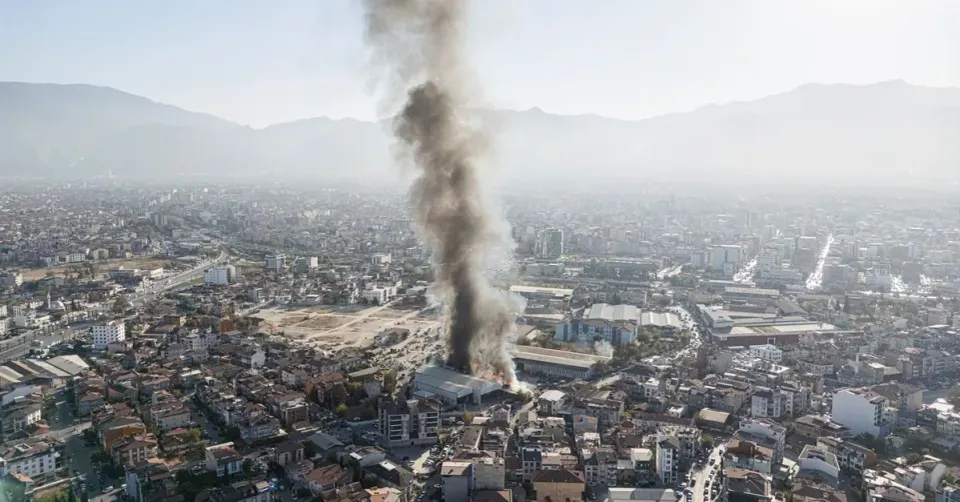
This development puts the Iranian government in a desperate strategic corner. While senior MPs in Tehran claim that Iran’s "steadfastness" has driven the US into a strategic dead end, the economic reality on the ground tells a different story. With the budget for next year being drafted under the assumption of zero oil revenue, the reliance on domestic taxation and currency manipulation is set to increase. The use of naval mines, whether as a defensive measure or a signal of disruption, further complicates the insurance and logistics for any remaining trade, pushing the cost of imports even higher for the average Iranian consumer.
Crypto Bleeds as AI Steals the Spotlight
In the world of finance, Bitcoin is struggling to maintain its footing above $67,000. The primary culprit isn't a regulatory crackdown, but rather a massive shift in investor appetite. The impending Anthropic IPO has created a liquidity vacuum; institutional investors are liquidating their crypto holdings to ensure they have enough cash to participate in what is expected to be the largest AI stock offering in history. This "AI vs. Crypto" tug-of-war is a new dynamic that reflects a broader market fatigue with digital currencies in favor of tangible, generative technology companies.
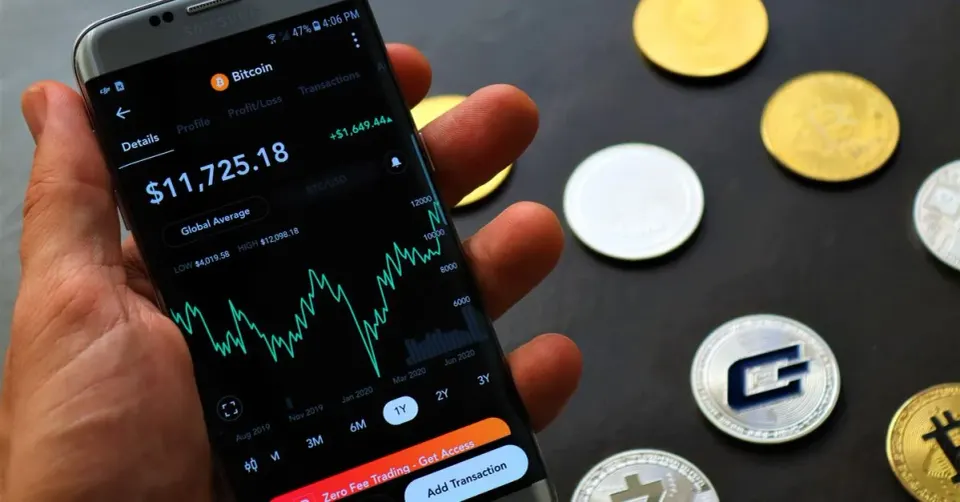
Furthermore, the tech sector is still reeling from the scandal surrounding former Nvidia CEO Jensen Huang. His resignation has cast a long shadow over the "AI trade," leading many to question if the sector's growth was overextended. For Iranian investors who have moved into crypto as a hedge against Toman devaluation, this dual pressure—scandal in the US tech hub and the liquidity drain from the Anthropic IPO—means that BTC may not be the safe haven it was a few months ago. The market is currently rethinking the entire AI and blockchain thesis, leading to a period of heightened uncertainty and price swings.
Frequently Asked Questions
آیا نشست ترامپ، پوتین و شی میتواند باعث کاهش قیمت دلار شود؟
علت اصلی توقف صادرات نفت ایران چیست؟
چرا بیتکوین با وجود بحرانهای جهانی در حال سقوط است؟
The Strategic Significance of the Strait of Hormuz
The Strait of Hormuz is a narrow waterway that links the Persian Gulf with the Gulf of Oman and the wider Indian Ocean. Although it is only about 21 nautical miles wide at its narrowest point, it serves as the chokepoint for roughly 20% of the world’s petroleum—including crude oil and refined products—transiting daily. Because the majority of Iran’s oil exports, as well as those of Saudi Arabia, the United Arab Emirates, Kuwait and Iraq, must pass through this corridor, any disruption can instantly ripple through global energy markets, inflating prices and reshaping trade flows.
Geopolitically, the strait sits at the intersection of several rivalries. Iran, which controls the northern shore, has repeatedly threatened to close the passage in response to sanctions or military pressure, using the threat as a lever in negotiations. Conversely, the United States maintains a naval presence to ensure freedom of navigation, often escorting merchant vessels and conducting drills. When a tanker explodes or is seized—such as the 2024 Strait of Hormuz tanker incident—the event is not merely a safety issue; it becomes a flashpoint that can trigger broader escalation, as seen in the recent surge of rhetoric surrounding the Iran‑U.S. conflict.
The economic impact of a closure would be profound. A sudden halt to oil flow would push Brent and WTI crude prices upward, eroding consumer purchasing power worldwide and potentially pushing inflation beyond central banks’ targets. Countries heavily dependent on oil imports, like China and India, would face balance‑of‑payments strain, while oil‑exporting nations would see revenue collapse—an outcome already evident in Iran’s oil‑revenue‑zero scenario after sanctions tightened. The ripple effects extend beyond energy, influencing currency markets (e.g., USD/IRR), stock indices, and even emerging sectors like cryptocurrency, where investors often turn to Bitcoin as a hedge during oil‑price turbulence.
Understanding the strait’s role helps explain why leaders such as Trump, Putin, and Xi would convene in a summit to discuss security guarantees, sanctions relief, and trade routes. It also clarifies why regional forums like APEC 2026 in China will likely feature extensive discussions on maritime security and supply‑chain resilience. In short, the Strait of Hormuz is more than a geographic pinch point; it is a barometer of global economic stability and a catalyst for diplomatic maneuvering.