Global Downturn Warnings and Hormuz Tensions: Gold Surges 1.1% as Kyiv Bridges Fall
هشدار نسبت به رکود جهانی و تنش در هرمز؛ طلا ۱.۱ درصد گران شد و پلهای کییف زیر آتش رفتند
Global markets are bracing for a 'materially sharper downturn' as central bank warnings coincide with renewed maritime tensions in the Strait of Hormuz. While the Dollar remains steady in Tehran, gold prices have jumped over 1% following reports of tanker strikes and infrastructure attacks in Ukraine.
At time of publishing
USD
268,600
Toman
Gold 18K
24.82M
Toman / gram
Bitcoin
$64,784
US Dollar
Tether
270,561
Toman
Market Open — Gold Leads the Charge
On this Tuesday morning, November 17, 2026, the Iranian market opened with a clear divergence between currency and precious metals. The US Dollar (USD/IRR) remained flat at 268,600 Toman, showing a rare moment of stability amid regional noise. However, the real story lies in the gold market. 18k gold rose by 1.1% to reach 24,816,473 Toman per gram, while the Emami coin climbed 0.8% to 253,500,000 Toman. This upward movement is a direct reflection of the global gold ounce sitting at a staggering $3,881.25, as investors flee to safe havens.
This spike in gold suggests that while the currency market is currently managed or stagnant, domestic sentiment is increasingly nervous. The combination of high global interest rates and escalating geopolitical friction in the Middle East has made gold the preferred vehicle for wealth preservation. For the Iranian reader, this means the cost of hedging against inflation is becoming significantly more expensive, even as the official exchange rate holds its ground.

The RBA Warning: A Global Recession Signal
In a move that has captured the attention of global economists, minutes from the Reserve Bank of Australia’s (RBA) latest meeting revealed a deep internal divide. Board members who initially opposed the recent interest rate hikes warned of a "materially sharper downturn" in the economy. They argued that the cumulative effect of past rate increases is finally reaching a breaking point for households, suggesting that the central bank should have paused to assess the damage rather than pushing forward with further tightening.
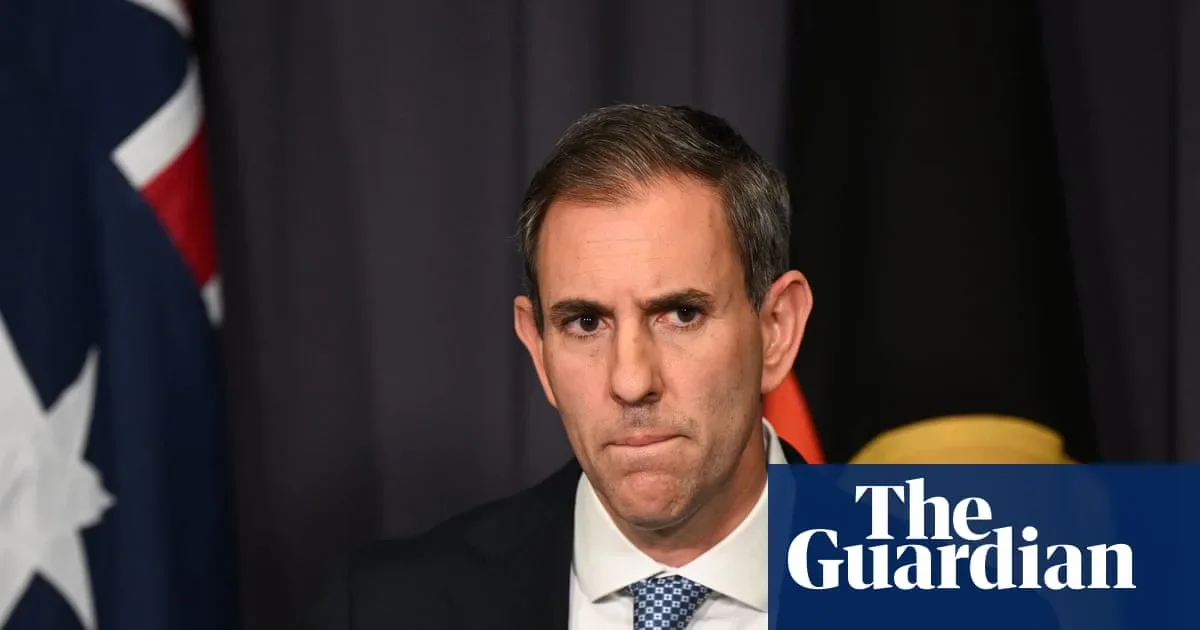
This isn't just an Australian problem; it is a microcosm of the global struggle between fighting inflation and triggering a deep recession. Jim Chalmers, the Australian Treasurer, has attempted to balance the scales, but the RBA’s internal warning suggests that the 'soft landing' many hoped for is becoming increasingly unlikely. For global markets, this signal from a major commodity-exporting nation like Australia often serves as a canary in the coal mine for broader economic cooling.
What this means for Iran is a potential shift in global commodity demand. If major economies enter the "sharper downturn" predicted by the RBA, we could see a cooling in energy prices and raw materials. However, in the short term, the fear of such a downturn is driving the volatility we see in gold and crypto, as traditional equity markets look increasingly precarious under the weight of high borrowing costs.
Strait of Hormuz: Tanker Strikes and Rising Tensions
The maritime security situation in the Persian Gulf has taken a sharp turn for the worse. Reports have emerged of tankers being hit by mines in the Strait of Hormuz, coinciding with a drone alert at an Iraqi gas field. The arrival of a US aircraft carrier in the region has further heightened the sense of an impending escalation. While no group has claimed responsibility for the mine strikes, the immediate impact has been felt in maritime insurance premiums and the general risk-premium attached to regional trade.
These events are particularly critical for Iran, as the Strait remains the world's most important oil chokepoint. Any physical disruption to shipping—or even the credible threat of it—directly impacts the cost of imports and the reliability of exports. The Iranian government’s official stance remains one of defensive readiness, but the presence of advanced US naval assets suggests a low threshold for further incidents. This regional instability is the primary driver behind the 1.1% jump in domestic gold prices this morning.
Kyiv Under Fire: Infrastructure as a Weapon
In Europe, the conflict in Ukraine has entered a destructive new phase. Two major bridges in Kyiv were struck in a Russian retaliatory attack, following what Moscow described as the largest drone strike on Russian territory since the war began. By targeting bridges, Russian forces are aiming to paralyze the logistical heart of the Ukrainian capital, making it difficult for both civilian movement and military reinforcements to cross the Dnipro river.

This escalation signals that the war is moving away from a stalemate and toward a high-intensity infrastructure conflict. For global readers, this means energy markets will remain on edge, and the geopolitical risk-off sentiment will likely persist. Furthermore, on the domestic front in Iran, the passing of Grand Ayatollah Vahid Khorasani, a senior Shia jurist, marks a significant moment for the country’s religious and social fabric, adding a layer of internal transition to an already complex external environment.
Frequently Asked Questions
چرا قیمت طلا با وجود ثبات دلار افزایش یافته است؟
هشدار بانک مرکزی استرالیا چه تأثیری بر بازار ایران دارد؟
وضعیت در تنگه هرمز چقدر جدی است؟
Gold as a Safe‑Haven Asset During Geopolitical and Economic Turbulence
When markets wobble, investors often turn to assets that are expected to retain value – the so‑called safe‑haven assets. Gold has been the archetype of this class for centuries because it is scarce, globally recognised, and not directly tied to any single country's fiscal or monetary policy. In periods of heightened geopolitical risk, such as rising tensions in the Strait of Hormuz, or when central banks like the Reserve Bank of Australia issue recession warnings, demand for gold typically spikes, pushing its price upward.
The mechanism behind gold’s safe‑haven status is twofold. First, investors use it as a hedge against currency depreciation; when the US dollar weakens or emerging‑market currencies like the Iranian rial face pressure, gold offers a store of wealth that is denominated in a universally accepted unit. Second, gold’s price often moves inversely to risk‑on assets such as equities. A sharp decline in equity markets – exemplified by the recent fall in Kyiv bridge‑related stocks – can trigger a flight to safety, further boosting gold buying.
Historically, gold’s rally during crises is well documented. During the 2008 financial crisis, gold rose over 25 % as investors fled from collapsing banks. More recently, in 2022‑2023, the war in Ukraine and supply‑chain disruptions saw gold surge above US$2,000 per ounce. These episodes illustrate how geopolitical shocks (e.g., Hormuz tensions that could threaten oil flows) and macro‑economic anxieties (recession forecasts) combine to reinforce gold’s allure.
Understanding gold’s role helps investors make more informed decisions. While gold can protect against short‑term volatility, it does not generate income and can be volatile itself. A balanced portfolio might allocate a modest portion to gold or gold‑linked ETFs to diversify risk without over‑exposing to its price swings.