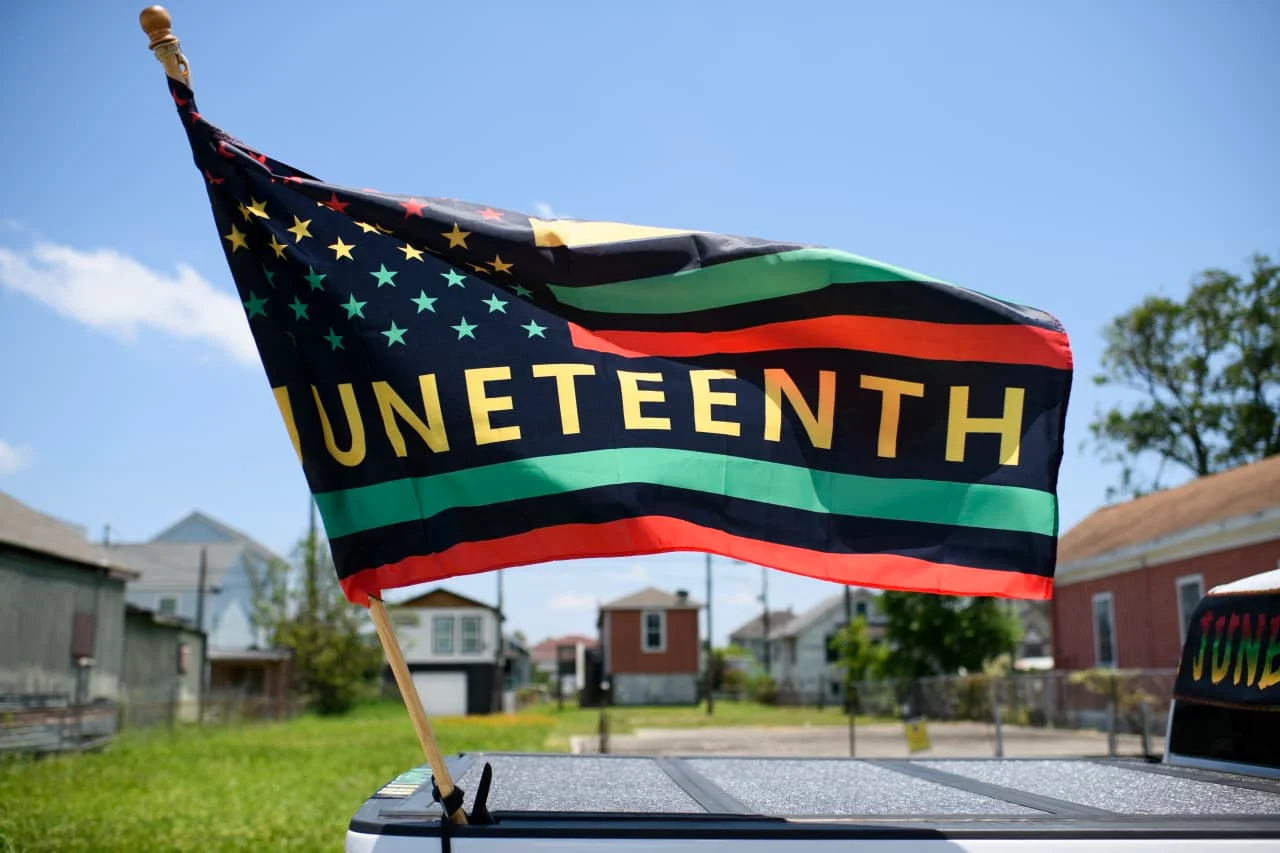
Iran's Oil Tankers Defy Blockade as Gold and Dollar Surge: Juneteenth Adds to Market Uncertainty
عبور نفتکشهای ایرانی از خط محاصره؛ جهش طلا و دلار در بحبوحه تعطیلی جونتینث و ابهامات بازار
The Iranian market saw significant gains in USD and gold today, driven by geopolitical tensions surrounding Iran's oil tanker movements and persistent domestic inflation. These local dynamics are amplified by reduced global market liquidity due to the Juneteenth holiday in the US, creating a volatile environment. Arzbin offers a nuanced outlook amidst conflicting signals.
At time of publishing
USD
158,000
Toman
Gold 18K
16.64M
Toman / gram
Bitcoin
$65,062
US Dollar
Tether
159,242
Toman
Key figures
US Dollar
158,000
Iranian Toman
↑ 3.13% todayBitcoin
$65,062
US Dollar
Current Situation: Geopolitical Tensions Fuel Market Surges
Today, Wednesday, June 17, 2026, the Iranian market witnessed notable upward movements across key assets. The US Dollar, trading against the Toman, rose from 153,200 to 158,000, marking a significant 3.1% increase over the past 24 hours. Gold also surged, with the 18k gram climbing from 16,076,919 to 16,642,965 Toman, a 3.5% rise. Similarly, the Emami coin experienced a robust 4.1% gain, moving from 158,000,000 to 164,500,000 Toman. These shifts unfolded against a backdrop of complex geopolitical developments and a quieter global market due to a major US holiday.
The primary catalyst for these domestic price movements appears to be a renewed focus on regional geopolitical dynamics. Reports from BBC World indicate that Iran has successfully sent three oil tankers, fully loaded with crude, past what has been described as a US military blockade line in the Gulf of Oman [5]. This action, perceived by some as a direct challenge, inevitably fuels market uncertainty and risk premiums within the region. Simultaneously, while Al Jazeera reported the Strait of Hormuz has officially reopened, concerns persist among shipping operators and insurers regarding the long-term assurance of safety in these vital waterways [15], preventing a full return to pre-tension market confidence.
[IMAGE: Iranian oil tanker navigating the Strait of Hormuz, with a US Navy vessel in the distant background, sunset light, satellite view]
Furthermore, the global energy landscape is also playing a role. OilPrice.com highlights that falling Murban and Dubai crude prices, influenced by the tentative U.S.-Iran agreement mentioned in earlier reports, have opened up arbitrage opportunities for shipping Middle Eastern oil to the United States and Europe [9]. While this could signal a potential increase in global oil supply, the immediate impact on Iranian markets is often filtered through the lens of regional stability. Compounding these factors, the observance of Juneteenth as a federal holiday in the United States on Friday, June 19th, as noted by MarketWatch [14], means that major Western financial markets will operate on reduced liquidity. This can amplify volatility in more sensitive markets like Iran, as global trading volumes thin out, leaving local sentiment with a more pronounced influence.
Bullish Case for USD and Gold: Hedging Against Uncertainty
The bullish argument for both the US Dollar and gold in the Iranian market hinges significantly on the persistence of geopolitical friction and domestic economic anxieties. The recent maneuver by Iranian oil tankers in the Gulf of Oman, successfully bypassing perceived blockades, acts as a potent reminder of ongoing regional tensions [5]. Such actions, regardless of their strategic intent, are often interpreted by the local market as indicators of continued instability, driving demand for hard assets and foreign currency as a hedge against potential escalation. In an environment where the future trajectory of regional relations remains unpredictable, the psychological comfort of holding assets perceived as stable and universally valuable becomes paramount for investors.
Moreover, the underlying domestic inflation narrative continues to provide a strong impetus for Toman depreciation against the dollar and a rise in gold prices. Iranian citizens frequently turn to these assets to preserve purchasing power amidst economic pressures, a trend that is unlikely to abate without fundamental shifts in macroeconomic policy. The current global political climate, with its own set of uncertainties such as the internal dynamics of UK politics, including a Labour MP pushing for a leadership bid [11], contributes to a broader sense of global unease. While not directly impacting Tehran, this diffuse global uncertainty can indirectly bolster the safe-haven appeal of gold and the dollar, as investors worldwide seek stability, even if only perceived, in turbulent times.
Bearish Case for USD and Gold: Potential for De-escalation
Conversely, a bearish outlook for the US Dollar and gold in Iran is primarily predicated on the potential for de-escalation and increased stability, both regionally and economically. The official reopening of the Strait of Hormuz, despite lingering safety concerns [15], is fundamentally a positive development for global trade and regional stability. If shipping lanes remain secure and unimpeded, the perceived risk premium associated with transit through the Gulf could diminish over time. This reduction in perceived regional risk might temper the demand for safe-haven assets, leading to a potential correction in USD/IRR and gold prices from their recent highs. A sustained period of quiet in these vital waterways could signal a shift towards a more predictable geopolitical landscape, reducing the immediate incentive to hold non-Toman assets.
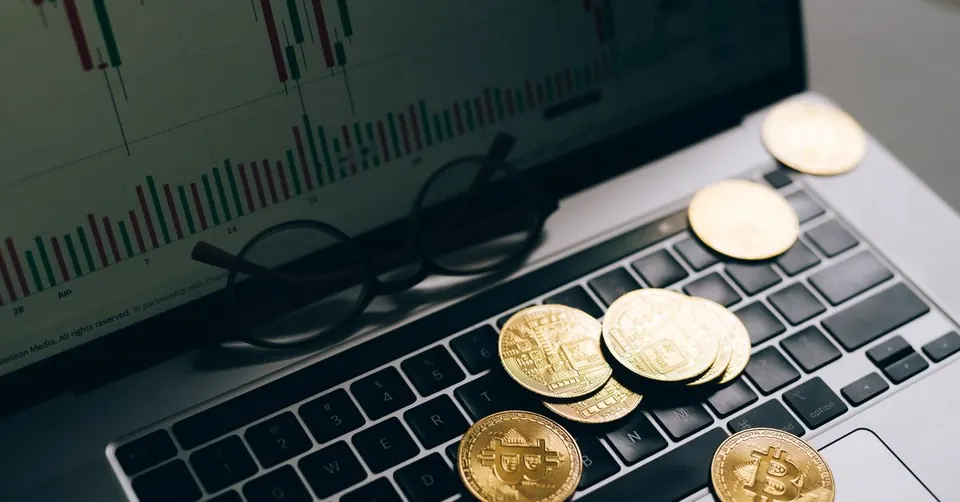
Furthermore, the dynamics of global oil markets, as highlighted by the falling Murban and Dubai crude prices opening arbitrage opportunities [9], could also contribute to a bearish scenario for these assets. While the immediate effect on Iran's economy is complex, increased global oil supply and smoother export routes could, in the medium to long term, bolster Iran's foreign currency reserves. A stronger national balance sheet, if effectively managed, could provide the Central Bank with greater capacity to intervene in the currency market and stabilize the Toman. Additionally, the reduced liquidity in major Western markets due to the Juneteenth holiday [14] could also mean that, in the absence of strong international buying pressure, local market movements might lack the external validation needed for sustained upward momentum, potentially leading to a consolidation or even a slight pullback.
Arzbin's Nuanced View: Navigating Conflicting Signals
From Arzbin's vantage point, the current market for USD/IRR and gold is navigating a complex confluence of signals, rendering a definitive short-term prediction exceptionally challenging. The market's immediate reaction, as evidenced by today's surges, clearly prioritizes the perceived risks emanating from the Gulf, particularly the symbolic defiance of the oil tanker movements [5]. This suggests that local sentiment remains highly attuned to geopolitical tremors, treating the dollar and gold as primary barometers of stability. However, it is crucial to recognize that the reopening of the Strait of Hormuz [15] and the underlying movements in global oil prices [9] represent powerful counter-currents that could, over time, foster a sense of calm and potentially reverse some of these gains.
Our nuanced view suggests that while the immediate impulse is towards hedging against uncertainty, the sustainability of these upward trends will depend heavily on the actual de-escalation of tensions, rather than just the absence of new provocations. Two key macro factors will undoubtedly tip the scales: the ongoing geopolitical climate in the Middle East, particularly the rhetoric and actions surrounding shipping and sanctions, and the broader global interest rate environment. Should global central banks signal a more hawkish stance, it could strengthen the dollar internationally, but equally, a dovish shift could enhance gold's appeal. For now, the Iranian market remains a delicate balance of domestic economic realities, regional political posturing, and the subtle ripple effects of global events like a US holiday impacting liquidity. It is imperative for all market participants to conduct their own diligent research; this analysis is strictly an opinion and not financial advice or a guarantee of future performance.
Watch
Full Episode: TODAY Show - June 16
NBC News
Frequently Asked Questions
Why did USD and gold prices increase significantly today in Iran?
How does the Juneteenth holiday in the US affect Iranian markets?
Is the reopening of the Strait of Hormuz expected to stabilize prices?
What are the main risks to the current upward trend in USD and gold?
What macro factors should Iranian investors watch?
Currency Devaluation and Gold as a Hedge in Sanctioned Economies
When a country faces extensive international sanctions, its currency often loses value rapidly. In Iran’s case, the Iranian rial (IRR) has been under severe pressure due to restricted access to foreign exchange, dwindling oil revenues, and capital flight. The official exchange rate can differ dramatically from the market (or “free‑market”) rate, creating a dual‑price system that fuels inflation and erodes purchasing power for ordinary Iranians.
Gold, by contrast, is a globally recognized store of value that is not directly tied to any single nation’s monetary policy. As the rial weakens, Iranians and other investors in sanctioned economies turn to gold to preserve wealth. The metal’s price in local currency terms can surge even when its price in U.S. dollars is relatively stable, because the devaluation amplifies the local‑currency cost of each ounce.
This dynamic creates a feedback loop: a weaker rial pushes more demand for gold, which in turn drives up the local gold price, further highlighting the currency’s fragility. The phenomenon also spills over into broader market volatility, as traders adjust portfolios, hedge against inflation, and seek alternative assets. Understanding how sanctions‑induced devaluation interacts with gold markets helps explain the sharp movements seen in Iran’s USD/IRR rates and gold price charts.
Policymakers attempting to stabilize the currency may impose capital controls, raise interest rates, or seek foreign currency inflows through limited oil exports. However, these measures often clash with the underlying geopolitical pressures, making gold a persistent safe‑haven for citizens and investors alike.