Hormuz Projectile & Energy Inflation: Why Toman Markets are Cooling Despite Regional Heat
تنش در هرمز و هشدار تورم انرژی؛ چرا بازار تهران برخلاف منطقه سرد شد؟
While the Toman saw a slight recovery today with USD dropping to 230,200, new tensions in the Strait of Hormuz and ECB warnings on energy prices create a complex backdrop. We analyze whether this 24-hour dip is a relief rally or the calm before a regional storm.
At time of publishing
USD
230,200
Toman
Gold 18K
23.72M
Toman / gram
Bitcoin
$85,919
US Dollar
Tether
227,512
Toman
Key figures
US Dollar
230,200
Iranian Toman
↓ 0.30% todayBitcoin
$85,919
US Dollar
The Local Cool-Down
As of the evening session on Monday, September 21, 2026, the Iranian market has shown a rare moment of consolidation. According to the latest data, the USD/IRR rate dropped from 230,900 to 230,200, marking a 0.3% decrease. This cooling trend was even more pronounced in the gold sector; Gold 18k/gram fell by 1.2% to 23,715,314 Toman, while the Emami coin saw a significant 2.1% slide, moving from 239,000,000 to 234,000,000 Toman. For a market often driven by panic, this slight retreat suggests a temporary exhaustion of buyers at these record-high levels.
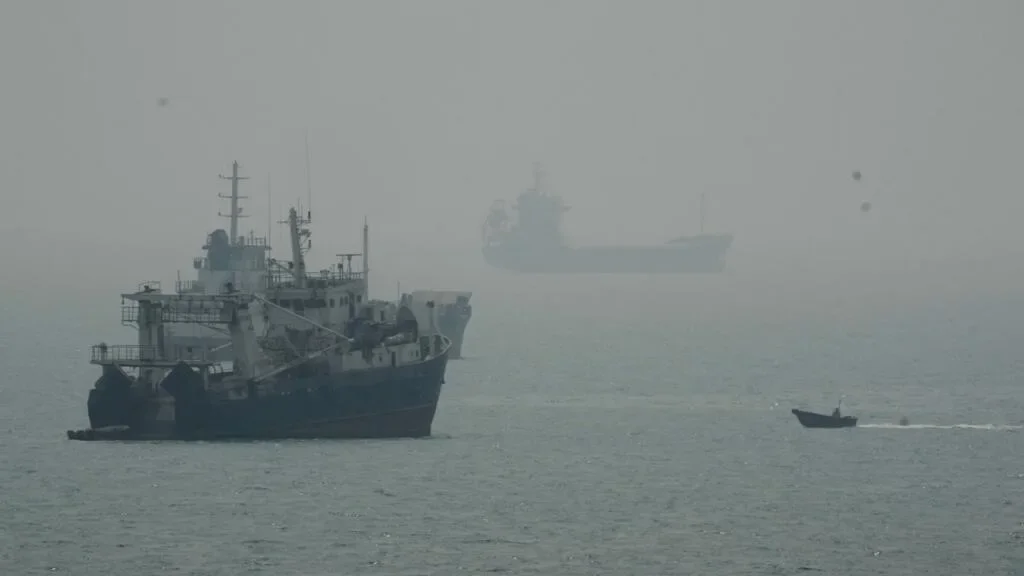
However, this local stability stands in stark contrast to the boiling geopolitical climate just a few hundred miles south. The British military reported today that an unknown projectile struck a tanker as it entered the Strait of Hormuz. While the vessel continues its journey, the incident serves as a violent reminder of the fragility of the world’s most critical oil chokepoint. In my analysis, the Iranian market's current dip might be ignoring a significant risk premium that usually accompanies such maritime escalations.
The Global Energy Trap
Beyond the immediate threat of projectiles, a more insidious economic factor is emerging from Europe. The European Central Bank (ECB) warned in its latest Economic Bulletin that wholesale natural gas prices are now reaching consumers much faster than in previous years. What used to take six months now manifests in retail inflation within one to three months. This faster 'pass-through' means that global inflationary pressures are more volatile than ever. For the Iranian reader, this is a double-edged sword: higher global energy prices could theoretically bolster the value of regional exports, but they also strengthen the global US Dollar, making the Toman's battle for stability even harder.
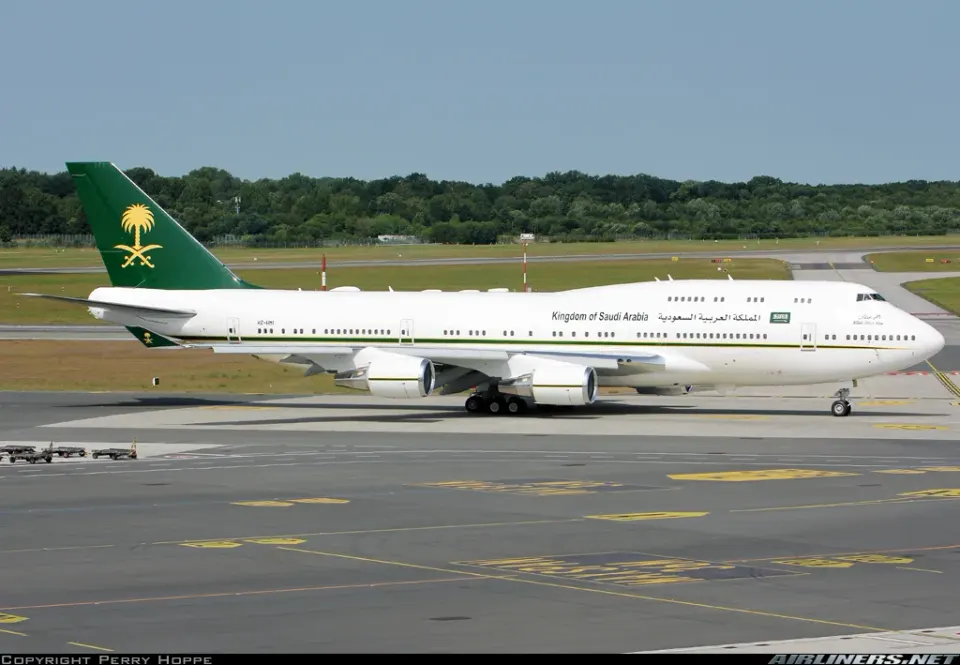
Simultaneously, Saudi Arabia has begun rerouting its oil exports. Satellite imagery shows a massive concentration of tankers at Saudi Gulf terminals—the highest since June—as the Kingdom avoids the Yanbu region following Houthi strikes. This logistical shift, combined with the fact that Hormuz traffic has plummeted from 35 to just 12 commodity vessels in a week, suggests a massive tightening of the energy supply chain. In my opinion, if these supply constraints persist, the current 'cheap' gold and dollar prices in Tehran will not last long.
Future Outlook: Bull vs. Bear Case
The Bearish Case for Toman (Bullish for USD/Gold): The primary driver for a further surge in USD/IRR remains the regional instability. If the 'unknown projectile' incident in Hormuz escalates into a broader maritime conflict, we could see the Toman rapidly lose its recent gains. Furthermore, with Bitcoin holding steady at $85,919 and analysts like Alex Thorn suggesting the 'low is in,' capital flight from local assets into crypto remains a high risk. Geopolitically, Putin's consolidation of power in Russia with war veterans entering the Duma signals a long-term commitment to a war economy, which keeps global commodity prices—and thus the pressure on the Toman—elevated.
The Bullish Case for Toman (Bearish for USD/Gold): On the flip side, some market participants are betting on a diplomatic breakthrough. Rumors of 'Iran hopes' have occasionally dipped oil prices during today's trading sessions. If the Iranian government manages to de-escalate the Hormuz situation or secure a temporary trade relief, the current 0.3% dip in USD could turn into a broader correction toward the 220,000 range. However, this remains speculative and highly dependent on external factors.
Nuanced View (Opinion/Analysis): I believe the current market is in a 'wait-and-see' mode. The 2.1% drop in Emami coin is a technical correction, not a change in trend. The interplay between the ECB’s inflation warnings and the physical threats in the Persian Gulf creates a floor for prices. Unless we see a concrete de-escalation in the Strait, I expect the Toman to remain under significant pressure. This is an analysis of market trends, not financial advice.
Frequently Asked Questions
چرا با وجود تنش در هرمز، قیمت دلار در تهران کاهش یافت؟
هشدار بانک مرکزی اروپا درباره قیمت گاز چه ارتباطی به بازار ایران دارد؟
آیا اصابت پرتابه به نفتکش در هرمز میتواند قیمت طلا را جهش دهد؟
وضعیت بیتکوین در این میان چگونه است؟
Geopolitical Risk and its Dual Impact on Energy and Local Currency Markets
Geopolitical risk refers to the potential for political events, conflicts, or instability in one region to have significant economic consequences globally or in specific markets. These events can range from military conflicts and terrorist attacks to political coups, trade disputes, or even major policy shifts by influential nations. Understanding this risk is crucial because it introduces uncertainty, affecting investor confidence, supply chains, and commodity prices.
One of the most immediate and visible impacts of geopolitical risk is on global energy markets, particularly oil. Regions like the Middle East, with its vast oil reserves and critical shipping lanes such as the Strait of Hormuz, are central to global energy supply. Any threat to stability or transit in these areas can lead to a "geopolitical risk premium" being built into oil prices. This premium reflects the market's expectation of potential supply disruptions, driving prices up even if actual supply hasn't been interrupted yet. Tanker attacks or rerouting of oil shipments, as mentioned in the keywords, directly exemplify such threats.
While rising oil prices due to geopolitical risk might seem beneficial for oil-exporting nations, the reality for countries facing direct regional instability or international sanctions can be far more complex. Geopolitical risk often triggers capital flight, reduces foreign direct investment, and increases the perceived risk of holding assets denominated in the local currency. For a currency like the Iranian Toman, heightened regional tensions can lead to depreciation against major currencies like the USD, as investors seek safer havens or as the country's ability to conduct international trade and access foreign exchange is hampered.
The headline's mention of "Toman Markets are Cooling Despite Regional Heat" highlights a nuanced aspect. This could indicate that market participants have already priced in a significant level of geopolitical risk, meaning further events might not cause additional immediate shock. Alternatively, domestic factors, policy interventions, or even a temporary lull in specific perceived threats might be counteracting broader regional tensions. However, the underlying sensitivity of the Toman to geopolitical developments and energy market shifts remains a critical factor for its long-term stability and value.