Oil Glut vs. Toman Weakness: Why Gold and USD are Defying Regional Energy Benchmarks
فشار عرضه نفت و صعود طلا؛ چرا تومان با وجود اشباع بازار انرژی باز هم عقبنشینی کرد؟
Despite a slump in Middle East oil benchmarks due to high availability, the Iranian Toman fell 0.8% while Gold 18k surged 1.4% today. We examine the disconnect between regional energy abundance and domestic currency pressure as geopolitical risks remain elevated.
At time of publishing
USD
265,900
Toman
Gold 18K
26.83M
Toman / gram
Bitcoin
$84,503
US Dollar
Tether
263,829
Toman
Key figures
US Dollar
265,900
Iranian Toman
↑ 0.83% todayBitcoin
$84,503
US Dollar
The Market Reality: Numbers Don't Lie
As of Wednesday, October 21, 2026, the Iranian market is witnessing a curious divergence between global energy trends and domestic asset pricing. Over the last 24 hours, the USD/IRR exchange rate rose from 263,700 to 265,900, marking a 0.8% depreciation for the Toman. Simultaneously, Gold 18k per gram jumped significantly from 26,457,823 to 26,827,185 Toman, a 1.4% increase. This surge in gold is particularly notable as it outpaces the dollar's growth, suggesting that local investors are seeking a 'super-safe' haven even beyond hard currency. The Emami coin also tracked this upward momentum, rising 0.9% to reach 269,000,000 Toman.
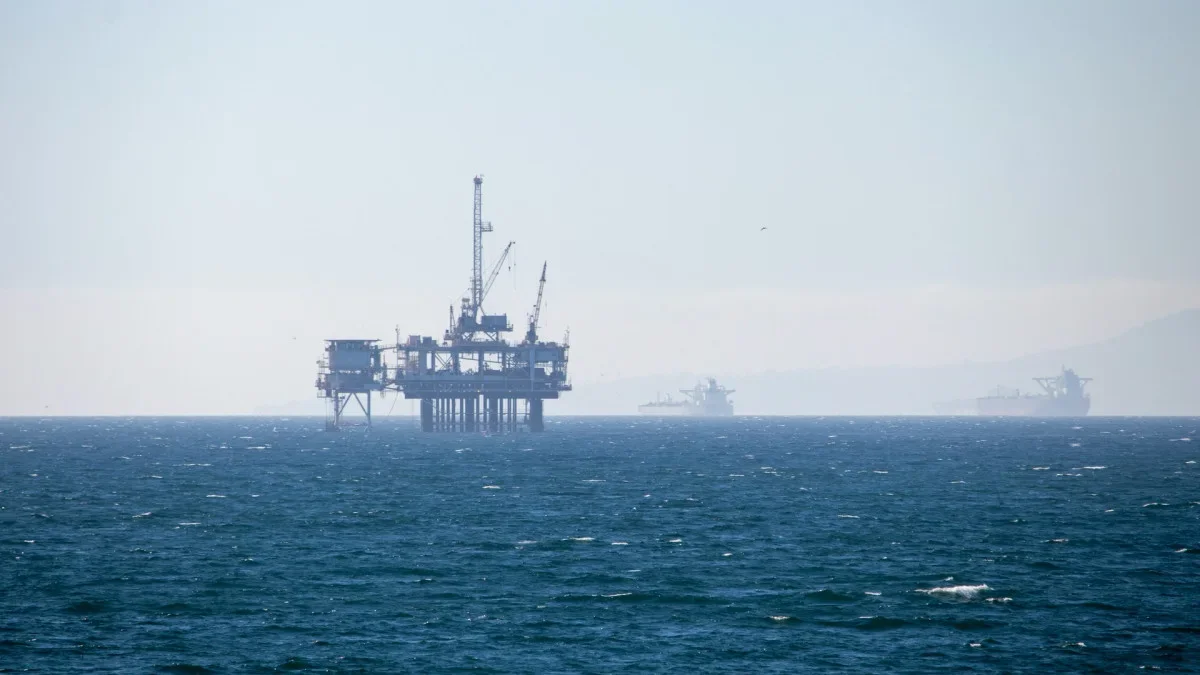
This domestic heating occurs against a backdrop of cooling physical oil markets in the Middle East. Recent data shows that the premium of Oman crude over Dubai—a critical gauge of regional supply strength—has slumped to just $4.22 per barrel. This is its lowest level since July, driven by what analysts describe as 'robust crude oil flows' out of the region. Under normal economic conditions, a well-supplied oil market might signal regional stability, but for the Iranian economy, which remains under heavy scrutiny and sanctions, the narrowing of these benchmarks suggests a potential decrease in the 'scarcity premium' that often benefits unofficial export channels.

The Bullish Case for Assets: Why Prices Could Climb
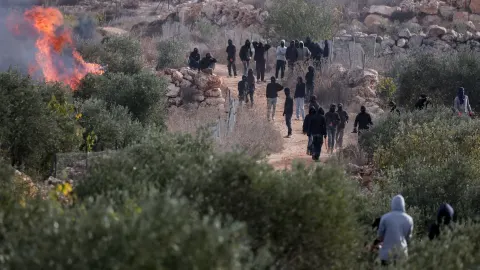
The case for a continued rise in USD and Gold rests heavily on the persistent geopolitical friction and the 'risk-on' sentiment in global technology. In the West Bank, the detention of high-profile US and UK volunteers, including a New York politician, has added a fresh layer of international tension to an already volatile region. Such events historically trigger a flight to safety in the Iranian market, where the Toman is often the first casualty. Furthermore, the global crypto market remains buoyant; Bitcoin is holding strong at $84,503, and the successful launch of Solana's 'Alpenglow' upgrade—the most ambitious since Ethereum's Merge—has kept liquidity flowing into digital assets.
Domestically, the rhetoric from the IRGC's political deputy, claiming full preparedness to 'crush' any aggression, serves as a double-edged sword. While intended to project strength, such official statements often reinforce the public's perception of imminent conflict, driving more capital into gold and hard currency. Additionally, the re-emergence of enriched uranium as a 'point of contention' in US-Iran talks suggests that a diplomatic breakthrough remains elusive. As long as the nuclear file remains open and contentious, the floor for the Toman's value remains dangerously thin, providing a structural tailwind for the dollar and gold.
The Bearish Case: Factors That Could Cool the Market
Conversely, there are legitimate reasons to believe this current spike could face a correction. The most significant factor is the 'Oil Availability' report. If the Middle East continues to flood the market with crude, global energy prices—and by extension, global inflation—could stabilize. This would eventually take the wind out of the sails of the global gold ounce, which currently sits at a staggering $4,130.40. If the global gold price retreats, the domestic 18k gram and Emami coin would likely follow suit, regardless of the Toman's internal struggles.
Furthermore, the tech sector is showing signs of internal friction that could dampen the 'AI boom' which has been lifting all boats. Protests in over 50 US cities against AI-driven job losses and the 'limited' availability of new hardware like the iPhone Duo suggest that the parabolic growth of tech stocks might be reaching a local ceiling. If Silicon Valley faces a correction, the resulting 'liquidity crunch' could lead to a sell-off in crypto and other speculative assets, potentially spilling over into regional markets. In Iran, if the government manages to tap into its reported 'readiness' to stabilize trade routes despite the Oman-Dubai spread narrowing, we might see a temporary cooling of the USD rate back toward the 260,000 level.
The Nuanced View: A Balancing Act
In my analysis, the current market is trapped between 'physical abundance' and 'political scarcity.' While there is plenty of oil in the region, there is a distinct lack of political certainty. The fact that gold is rising faster than the dollar (+1.4% vs +0.8%) is a clear signal: the market isn't just betting against the Toman; it is betting on global instability. The Oman-Dubai spread narrowing to $4.22 is a technical signal that the 'panic' in the physical oil market has subsided for now, but the domestic Iranian buyer is looking at different indicators—namely the stalled nuclear talks and the 'Strategic Defeat' rhetoric.

Investors should keep a close eye on the Solana Alpenglow transition and Bitcoin's behavior at the $85,000 resistance level. If crypto breaks higher, it may pull some liquidity away from the domestic gold market. However, as long as the West Bank remains a flashpoint and the US-Russia 'backchannels' remain opaque, the 'geopolitical premium' on the Toman will likely persist. This is not financial advice, but rather an observation of a market that is increasingly decoupled from regional energy fundamentals and more tethered to the headlines of conflict and technological disruption. Expect volatility to remain the only constant in the coming days as we approach the end of Mehr.
Frequently Asked Questions
چرا قیمت طلا در ایران سریعتر از دلار رشد کرد؟
کاهش اختلاف قیمت نفت عمان و دبی چه معنایی برای بازار دارد؟
آیا آپگرید آلپنگلو سولانا بر قیمت تتر در ایران اثر دارد؟
Currency Depreciation and Safe Haven Assets in Sanctioned Economies
The Iranian Toman's persistent weakness, even amidst fluctuating global energy markets, highlights a crucial economic phenomenon: currency depreciation driven by geopolitical factors and the subsequent flight to safe haven assets. In economies facing severe international sanctions, the value of the local currency often decouples from traditional economic indicators like commodity prices. Instead, it becomes highly sensitive to political developments, international relations, and the availability of foreign exchange.
For Iran, the ongoing nuclear enrichment talks and the associated international sanctions are primary drivers of the Toman's vulnerability. Sanctions severely restrict the country's ability to export oil and access global financial systems, leading to a chronic shortage of hard currency (like the US dollar) within the domestic market. This scarcity inflates the demand for USD, causing the Toman to depreciate significantly against it. Local inflation, often a consequence of currency depreciation and supply chain disruptions exacerbated by sanctions, further erodes the purchasing power of the Toman.
In such an environment, assets traditionally considered "safe havens" become highly sought after. Gold, both in its physical form (like 18k gold or Emami coins in Iran) and as a global commodity, offers a perceived hedge against inflation and currency devaluation. Similarly, the US dollar, due to its global reserve currency status and relative stability, becomes a preferred store of value. People convert their depreciating local currency into these assets to preserve wealth, even if it means paying a premium relative to international prices or energy benchmarks.
This dynamic explains why gold and the USD can "defy regional energy benchmarks." While global oil prices might influence the overall health of an oil-exporting nation's economy, the immediate value of its sanctioned currency is more directly impacted by the effectiveness of sanctions and the prospects of their relief. The demand for safe havens in Iran is thus less about the price of a barrel of crude and more about the perceived risk of further Toman depreciation and the desire to protect savings from economic instability.