Beijing’s Strategic Anchor and the Hormuz Paradox: Why the Toman Holds Firm Amid Naval Fire
لنگرگاه راهبردی پکن و تناقض هرمز؛ چرا تومان در میانه آتشبازی دریایی ایستادگی کرد؟
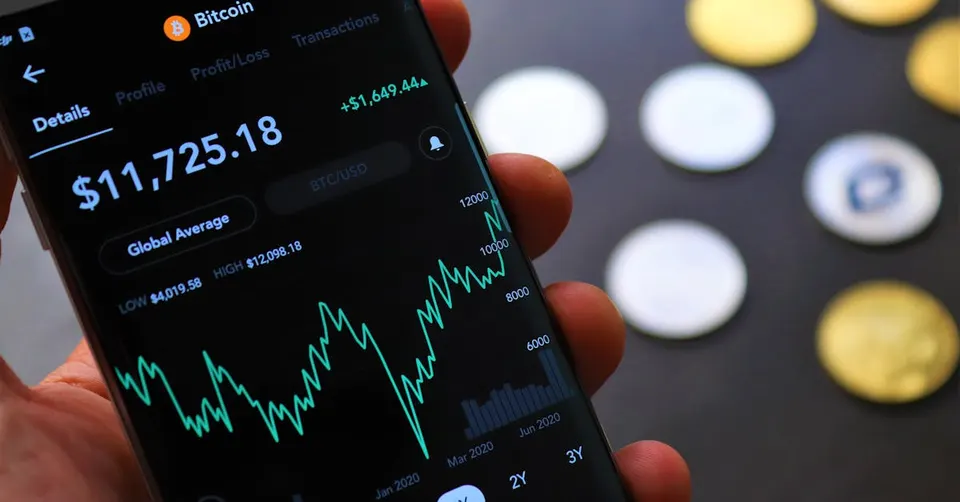
As naval tensions in the Strait of Hormuz test the fragile US-Iran ceasefire, Tehran’s strategic pivot to China emerges as the week's dominant economic narrative. Despite the friction, the Toman saw a marginal 0.3% weekly slide, while Bitcoin investors eye the $80,000 mark with cautious optimism amidst overbought signals.
At time of publishing
USD
177,200
Toman
Gold 18K
20.23M
Toman / gram
Bitcoin
$80,146
US Dollar
Tether
17,800
Toman
The Eastern Anchor Amid Western Storms
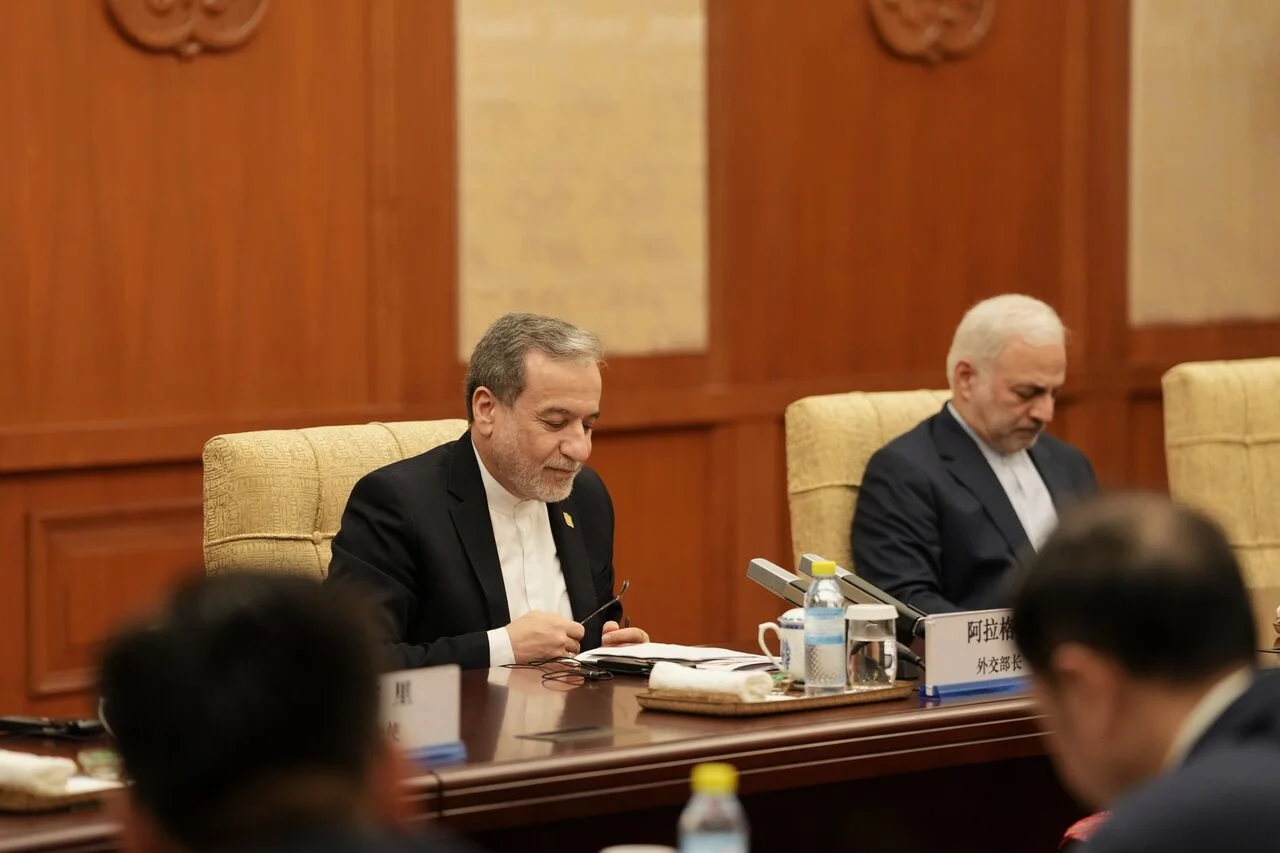
The week’s dominant narrative was not defined by the exchange of fire in the Persian Gulf, but by the diplomatic maneuvers in the Far East. Foreign Minister Abbas Araghchi’s emphasis on continuous consultations with Beijing serves as a critical psychological floor for the Iranian markets. In a week where geopolitical risk should have theoretically sent the Toman into a tailspin, the 'China Factor' acted as a stabilizing anchor. By reinforcing the strategic partnership with Beijing, Tehran is signaling to the markets that its alternative trade routes and financial clearing systems remain robust, regardless of the pressure from Washington. For the average Iranian reader, this translates to a controlled exchange rate; the USD sell rate closed the week at 177,200 Toman, a modest 0.3% increase from 176,700. This resilience suggests that the market has partially decoupled from Western headlines, focusing instead on the tangible flow of goods and capital from the East.
However, this stability is not without its costs. The reliance on a single major partner creates a unique set of vulnerabilities. While the Toman remained relatively flat, the underlying economy is still navigating the complexities of a 'war footing' environment. The Iranian Red Crescent’s report of 6,000 rescue operations during recent hostilities underscores the physical reality of the conflict that the currency market seems to be ignoring for now. The disconnect between the volatility on the ground and the relative calm in the forex offices in Ferdowsi Square suggests that institutional players are betting on a long-term diplomatic stalemate rather than an all-out escalation. This 'wait-and-see' approach is the primary reason why we haven't seen the panic buying characteristic of previous crises.
The Hormuz Heatwave and Oil’s Identity Crisis
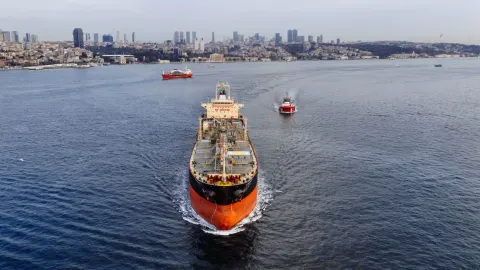
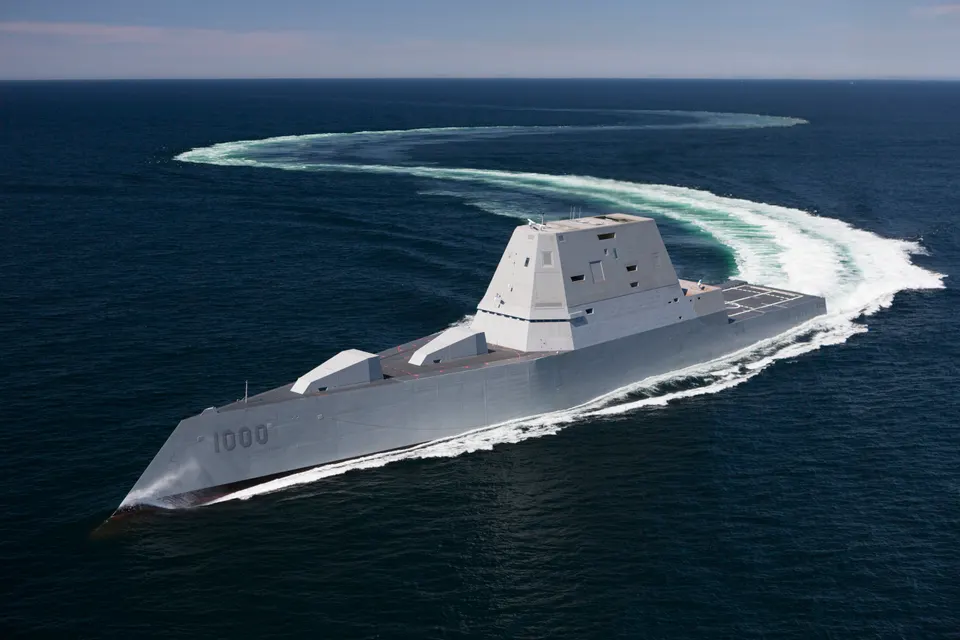
While diplomacy moved East, the Strait of Hormuz remained a theater of high-stakes friction. The week saw reports of US Navy destroyers being targeted and subsequent retaliatory strikes ordered by President Donald Trump, even as he simultaneously claimed the ceasefire held firm. This 'strategic ambiguity' from Washington has left energy markets in a state of paralysis. Interestingly, the global upstream oil and gas sector saw a massive collapse in deal value, plunging from $32 billion in February to just $5.55 billion in March. This collapse in capital movement is a direct reflection of the uncertainty surrounding oil prices. For Iran, this is a double-edged sword: while it limits the expansion of global competitors, it also complicates the valuation of its own energy assets and the long-term planning of its budget.
Gold and coin markets in Tehran mirrored this uncertainty with a peculiar lack of momentum. Gold 18k rose slightly by 0.3% to 20,232,236 Toman per gram, while the Emami coin remained dead flat at 195,000,000 Toman. Usually, such naval tensions would trigger a massive flight to safety in the gold market. The fact that the Emami coin showed 0.0% change over the last 24 hours suggests that the local 'bubble' has reached a temporary saturation point. Investors are no longer reacting to every headline of a drone or missile; they are waiting for a structural shift in the conflict. The global gold ounce price at $4,721.20 provides a high floor, but without a significant breakout in the USD/IRR rate, local gold is likely to remain in this sideways range.
Digital Frontiers and Political Shifts
In the digital realm, Bitcoin finally breached the psychological $80,000 barrier, closing at $80,146. However, the mood is far from euphoric. Technical indicators, specifically the Relative Strength Index (RSI), are flashing 'overbought' signals not seen since the start of the year. This suggests that a correction toward the $78,000 level is highly probable in the coming days. For Iranian crypto traders, the USDT rate at 17,800 Toman remains the primary gateway. The ECB’s Christine Lagarde issued a stern warning this week against simply copying the US stablecoin model, highlighting the risks that Tether (USDT) and USDC pose to financial stability. This is a crucial development for Iranians who use USDT as a primary store of value; any regulatory crackdown in Europe or the US on these 'shadow dollars' could have immediate and severe liquidity implications for the local market.
Finally, we must look at the shifting political landscape in the West. The UK local elections have dealt a heavy blow to Keir Starmer’s Labour Party, with the 'Reform UK' party making significant gains. This shift toward more right-wing, populist movements across Europe and the US (as seen with the Trump administration's current stance) suggests a global trend toward isolationism and protectionism. For the Iranian economy, this means the 'sanctions regime' is unlikely to soften, but the enforcement might become more erratic and transaction-based rather than ideological. As we look to next week, the market will be hyper-focused on the 'Friday response' expected from Tehran regarding the latest US peace proposal. If the response is deemed insufficient by Marco Rubio and the State Department, the 177,200 level for the Dollar may quickly become a distant memory.