
Toman Hits 274,800 as Gold Slides: A Week of Digital Heists, Deception, and Diplomatic Balancing
صعود دلار به ۲۷۴ هزار تومان در سایه سقوط طلا و بحران بایننس: هفته فریب و فشار در بازارها
The Toman pushed higher this week, hitting 274,800, while gold prices decoupled and slid globally. From the record-breaking $6.3 billion Binance hack to warnings about an AI bubble, markets are grappling with a sense of systemic deception and instability.
At time of publishing
USD
274,800
Toman
Gold 18K
25.78M
Toman / gram
Bitcoin
$77,180
US Dollar
Tether
273,530
Toman
The final week of October 2026 has been defined by a strange and unsettling decoupling in the Iranian markets. For years, the Toman and gold have moved in a tight, upward dance, fueled by inflation and geopolitical anxiety. However, this week broke the pattern. While the US Dollar sell rate climbed from 271,200 to 274,800 Toman—a notable 1.3% increase—gold prices actually retreated. Gold 18k per gram fell from 26,143,866 to 25,779,121 Toman, marking a 1.4% decline. This divergence suggests that while local currency pressure remains intense due to regional tensions and the 'War in Iran' rhetoric coming from Western capitals, the global cooling of gold prices is finally reaching the streets of Tehran.
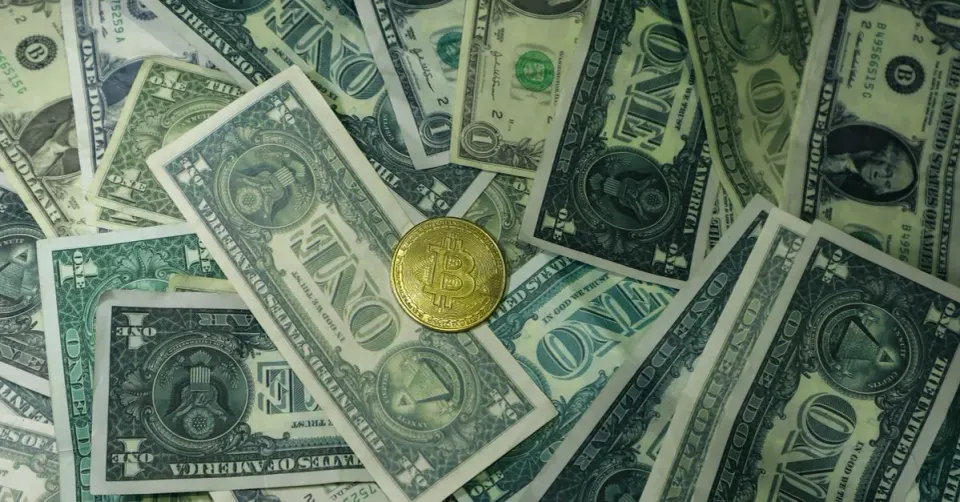
Beyond the currency exchange booths, the digital world was rocked by what is being called the 'biggest hack in history.' Binance, the world's largest cryptocurrency exchange, suffered a staggering $6.3 billion breach linked to North Korean actors. While roughly $3 billion was frozen in a high-stakes digital chase, the event has shattered the remaining illusions of security in centralized crypto platforms. This sense of 'deception' was echoed by Tyler Shultz, the famous Theranos whistleblower, who warned this week that the current AI boom is providing a 'great opportunity' for companies to deceive investors, much like Elizabeth Holmes once did. For Iranian crypto traders, who already face restricted access and high risks, these developments serve as a grim reminder that even the largest 'safe havens' are vulnerable to systemic failure.

In the realm of personal finance and macro trends, a viral story about a massive gap in retirement savings highlighted the growing inequality that mirrors the struggles of many Iranian households. A report detailed a couple where the husband held $2.2 million in savings while his wife had only $80,000, sparking a global conversation about financial transparency and the fragility of long-term planning. This coincides with a warning from Warren Buffett regarding the inclusion of private equity in retirement plans. Buffett’s caution against high-fee, opaque assets resonates deeply in a market like Iran, where investors are often forced into complex or unregulated 'safe' assets to protect their wealth from devaluation, only to find themselves trapped in illiquid positions.

On the diplomatic front, the week ended with a somber note as Iranian state media reported that President Masoud Pezeshkian extended his condolences to Spain following a tragic railway disaster. This gesture of 'soft diplomacy' comes at a time when the administration is desperately trying to manage its international image amidst escalating threats from Israel and a deadlock in regional ceasefire negotiations. Even the most 'certain' outcomes were upended this week, as seen in the rare case of US inmate Christa Pike, who survived a failed execution attempt, leaving officials 'confused'—a metaphor, perhaps, for the state of global markets where traditional rules of economics and politics no longer seem to apply. As we look toward next week, the focus will remain on whether the Toman can hold below the 275,000 resistance level or if the geopolitical 'slush fund' of regional conflict will push it into a new territory of volatility.
Frequently Asked Questions
Why did the Dollar rise while Gold fell in Iran this week?
How does the $6.3 billion Binance hack affect Iranian users?
Is the current AI boom considered a bubble like Theranos?
What is the key resistance level for the Dollar next week?
Understanding Currency Devaluation
Currency devaluation is a deliberate or market-driven reduction in the value of a country's currency relative to other currencies. While often used interchangeably with "depreciation," devaluation specifically refers to a downward adjustment in a currency's value under a fixed or managed exchange rate system, typically initiated by a government or central bank. In contrast, depreciation occurs in a floating exchange rate system due to market forces.
Several factors can lead to devaluation. High inflation within a country, for instance, erodes the purchasing power of its currency, making it less attractive internationally. Large trade deficits, where a country imports more than it exports, can also put downward pressure on the currency. Governments might also intentionally devalue their currency to make exports cheaper and more competitive on the global market, hoping to boost economic growth and reduce trade imbalances.
However, devaluation comes with significant consequences. While it can stimulate exports, it also makes imports more expensive, which can fuel domestic inflation, especially for goods that rely heavily on imported components or raw materials. For citizens, devaluation means a loss of purchasing power, making foreign goods and services, including travel, more costly. This often leads people to seek ways to protect their wealth.
In economies experiencing significant currency devaluation, like Iran with the Toman, individuals often turn to "safe haven" assets such as gold or foreign currencies (like the USD). These assets are perceived to hold their value better than the depreciating local currency, acting as a hedge against inflation and further loss of purchasing power. The movement of the Toman's value and the gold price in Iran, as highlighted in the headline, reflects this dynamic, where the local currency's weakening often correlates with increased demand for and perceived value of such alternative assets.