Iran's Markets Navigate Global AI Slowdown and Geopolitical Tensions
بازارهای ایران در میان رکود جهانی هوش مصنوعی و تنشهای ژئوپلیتیکی
This week, Iranian markets reacted to a global AI stock rout that saw valuations for tech giants like Anthropic potentially plummeting. Geopolitical undercurrents, including a FIFA leadership challenge and persistent European bomb threats, added layers of uncertainty, impacting currency and gold prices. Readers should watch for the ripple effects of these global trends on local economic sentiment.
At time of publishing
USD
267,700
Toman
Gold 18K
25.79M
Toman / gram
Bitcoin
$75,771
US Dollar
Tether
268,446
Toman
What Actually Happened
This past week in Iran's markets was a complex tapestry woven from global economic tremors and persistent geopolitical anxieties. The dominant narrative centered on the fallout from a significant downturn in the artificial intelligence sector worldwide. Reports indicated that valuations for prominent AI firms, such as Anthropic, are facing downward revisions, with IPO targets potentially falling from astronomical highs to a still-impressive but more grounded $1 trillion. This AI stock rout, driven by concerns over slowing spending and the need for cost controls among major clients, has cast a shadow over the broader tech landscape, a sentiment that inevitably filters into emerging markets like Iran.
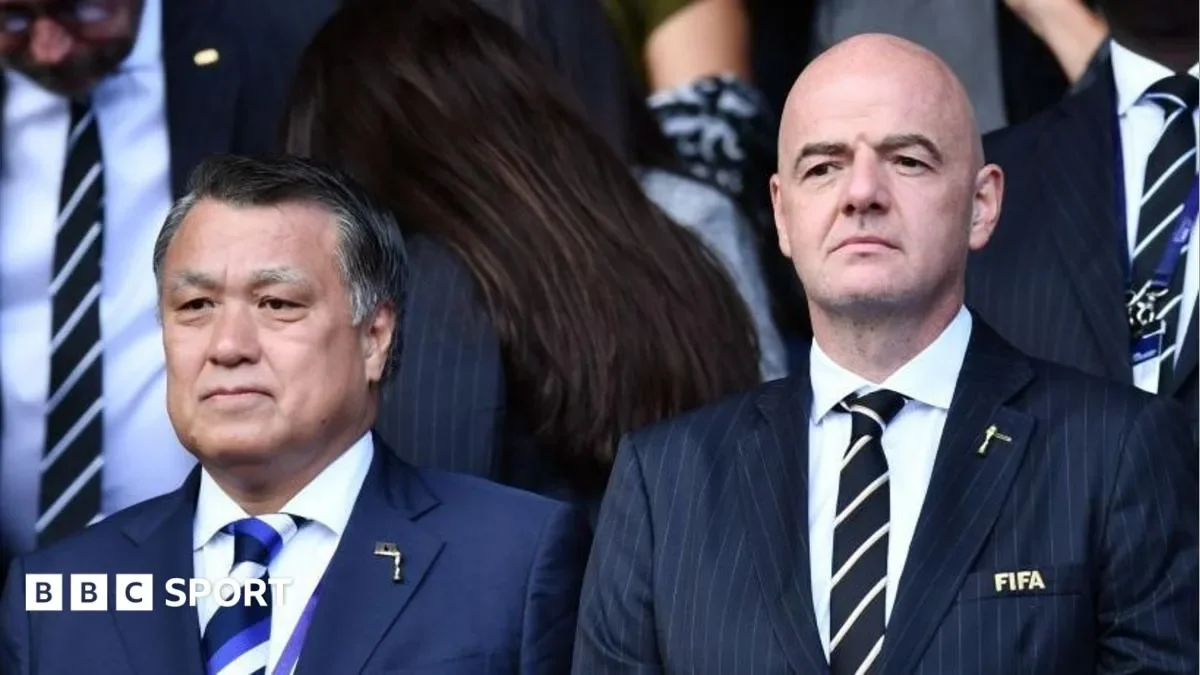
Alongside the tech-induced jitters, global geopolitical tensions continued to simmer, adding to market volatility. A surprising development emerged from the world of football, with a challenger to FIFA President Gianni Infantino announcing his bid, framed with a 'samurai spirit' – a narrative that, while seemingly distant, speaks to broader themes of power struggles and potential shifts in global governance that can influence risk appetite. Furthermore, a wave of hoax bomb threats continued to plague European airlines, disrupting travel and adding to a general sense of unease. While these events might seem tangential to the Iranian economy, they contribute to a global climate of uncertainty that impacts international trade, investment flows, and the demand for safe-haven assets.
---
Why This Matters to Iran
The global AI slowdown has direct implications for Iran's tech ambitions and its position in the global digital economy. As major international players reassess their AI investments and valuations, it signals a potential cooling of the hypergrowth narrative that has fueled much of the sector's expansion. For Iranian tech startups and investors, this could mean a more cautious approach from international venture capital, a tighter funding environment, and a greater emphasis on profitability over rapid scaling. The reported stalling of AI spending, even as usage climbs, suggests a maturing market where efficiency and demonstrable ROI are becoming paramount. This shift could impact the perceived value of Iranian AI companies seeking foreign investment or partnerships.
Moreover, the persistent geopolitical undercurrents, from the FIFA leadership challenge to the European bomb threats, contribute to a global risk-off sentiment. This environment typically leads to increased demand for traditional safe-haven assets like gold, while potentially dampening appetite for riskier investments, including cryptocurrencies. For Iranian traders, this translates to a complex interplay of forces affecting the Toman's exchange rate against major currencies like the US dollar and the price of gold and coins. The USDT's price, often seen as a proxy for dollar demand in Iran, will likely remain sensitive to these global risk perceptions. The fluctuating gold ounce price in USD also directly influences the domestic gold market, creating a dynamic pricing environment for local consumers and investors.
---
The Bigger Picture: Market Sentiment and Outlook
This week's market movements underscore a growing global sentiment of caution, driven by both the recalcitrant inflation figures in major economies and the ongoing geopolitical friction. The resilience of the US economy, as evidenced by continued job growth, presents a mixed picture for central banks, potentially delaying interest rate cuts and keeping liquidity tighter for longer. This global monetary tightening, coupled with the AI sector's valuation reset, creates a challenging backdrop for risk assets worldwide.
Looking ahead, investors in Iran and globally will be closely watching several key indicators. The trajectory of AI company valuations and the broader tech sector's performance will be crucial. Any further signs of a prolonged slowdown or regulatory scrutiny could spill over into other asset classes. Geopolitically, the resolution or escalation of ongoing tensions, including the persistent bomb threats in Europe and any further developments in international sports governance, will continue to shape market sentiment. For Iranian markets, the interplay between these global factors and domestic economic policies will dictate the direction of the Toman, gold prices, and cryptocurrency markets. The demand for stable assets like gold and USDT will likely persist as long as global uncertainty remains elevated.

Frequently Asked Questions
Why are AI company valuations falling globally?
How do global geopolitical tensions affect Iran's market?
What is the outlook for Iranian markets next week?
What is the significance of the FIFA leadership challenge for markets?
Understanding Geopolitical Risk: How Global Events Shape Local Markets
Geopolitical risk refers to the potential for political decisions, events, or instability in one country or region to have significant economic or market impacts globally or regionally. Unlike traditional economic risks, geopolitical risks stem from non-economic factors such as conflicts, political upheavals, international disputes, or even leadership changes in influential international organizations. These events introduce a high degree of uncertainty, making it challenging for investors and businesses to predict future market conditions and often leading to rapid shifts in asset valuations.
The mechanisms through which geopolitical risk affects markets are multifaceted. For instance, heightened tensions can trigger capital flight, where investors withdraw funds from perceived high-risk regions, leading to currency devaluation—as often seen with the Toman exchange rate in Iran during periods of instability. Conversely, these events often drive demand for safe-haven assets like gold, causing its price to surge as investors seek to preserve capital. Beyond financial assets, geopolitical risks can disrupt global supply chains, impede foreign direct investment, and increase operational costs for businesses, ultimately dampening economic growth and investor confidence.
Considering the keywords provided, the mention of "Geopolitical tensions," "European bomb threats," and even the political dynamics surrounding "FIFA leadership" all underscore various facets of geopolitical risk. These seemingly disparate events contribute to a broader climate of uncertainty that directly impacts local markets, such as those in Iran. The global AI slowdown adds another layer of complexity, but it is the geopolitical landscape that often dictates the immediate sentiment and flow of capital within specific national economies, profoundly influencing everything from stock performance to commodity prices.
For investors and policymakers, understanding and assessing geopolitical risk is paramount. It involves not only monitoring political developments but also analyzing their potential economic ramifications. Effective risk management strategies often include diversification across different asset classes and geographies, investing in safe-haven assets, and maintaining flexibility to adapt to rapidly changing global circumstances. By recognizing the profound influence of geopolitical events, market participants can better navigate periods of volatility and make more informed decisions.