
USDT vs. Physical Dollars: Which is the Safer Haven for Iranian Savings?
تتر در برابر دلار فیزیکی: کدام امنتر است برای پسانداز ایرانیان؟
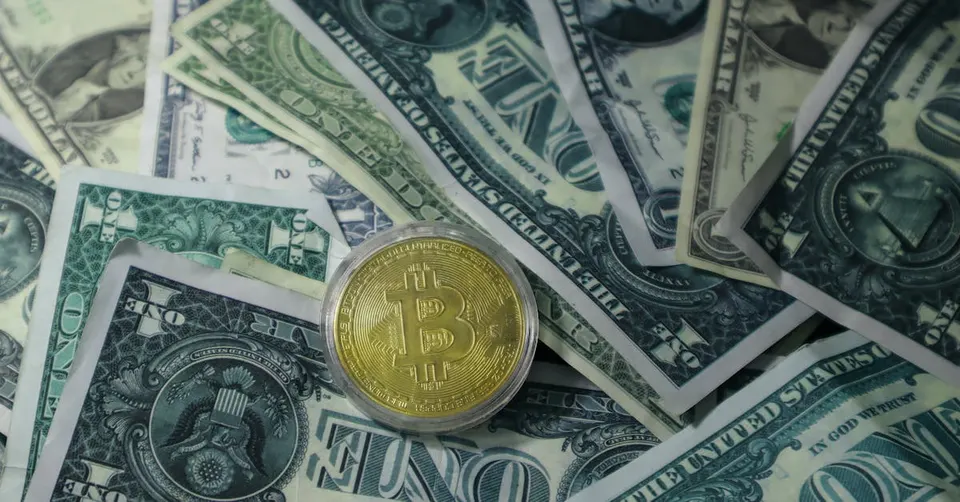
With the Toman experiencing fluctuations, many Iranians turn to stable assets. But when comparing Tether (USDT) to physical US Dollars, which offers superior security and accessibility for your savings?
At time of publishing
USD
173,400
Toman
Gold 18K
18.94M
Toman / gram
Bitcoin
$76,744
US Dollar
Tether
171,850
Toman
The Toman's Tightrope Walk
In Iran's current economic climate, the Toman continues its precarious dance, making the search for stable value a constant concern for everyday citizens. As the USD sell rate hovers around 173,400 Toman, and gold prices also see a slight dip – 18k gold down 1.1% and Emami coins down 0.8% in 24 hours – the allure of hedging against currency depreciation is stronger than ever. This environment prompts a crucial question for savers: in a world of digital and physical options, where should your hard-earned Toman be parked for safety and accessibility?
For many, the immediate answer is the US Dollar. Its physical form represents a tangible store of value, free from the immediate digital risks associated with online platforms. However, acquiring and storing physical dollars carries its own set of challenges, including security concerns and potential difficulties in discreetly converting them back to Toman when needed. The current market sees USD selling at 173,400 Toman, a price point that reflects both demand and the inherent risks of international currency markets. This direct, physical hedge remains a popular, albeit cumbersome, choice for those prioritizing tangible assets.
---
Tether: The Digital Dollar's Promise and Peril
Tether (USDT), often touted as a digital dollar, presents a compelling alternative. Currently trading at 171,850 Toman, it offers a seemingly stable peg to the US dollar, with a minimal difference from the physical dollar's sell rate. Its primary appeal lies in its accessibility and ease of transfer. For Iranians, USDT can be acquired and traded through various online exchanges, bypassing some of the logistical hurdles of obtaining physical dollars. This digital convenience is a significant draw, especially for those engaged in international online activities or seeking a quick way to preserve value without the need for physical safekeeping.
However, the digital realm is not without its own unique risks. USDT's stability is predicated on the reserves held by Tether Limited, a company whose transparency has been a subject of scrutiny. Unlike physical dollars, which are backed by the full faith and credit of the US government, USDT's backing mechanism relies on corporate assurances and regulatory oversight that can be less robust. Furthermore, the cryptocurrency market is subject to its own volatility and regulatory uncertainties. While USDT aims to be stable, the platforms used to trade it, and the broader crypto ecosystem, can experience disruptions. The news of Hong Kong advancing virtual asset rulemaking [4] signals a global trend towards increased regulation, which could impact stablecoins like USDT.

---
Weighing the Options: Risk, Reward, and Reality
When considering the long-term security of savings, both USDT and physical dollars have distinct advantages and disadvantages. Physical dollars offer a direct, tangible connection to a global reserve currency, providing a sense of security rooted in established financial systems. Yet, they are prone to physical theft, loss, and the inconveniences of storage and transport. Converting large sums back into Toman can also attract unwanted attention or incur significant fees on the black market.
USDT, on the other hand, offers unparalleled convenience and liquidity within the digital asset space. It can be traded 24/7, moved across borders with relative ease, and accessed from anywhere with an internet connection. This makes it an attractive option for quick value preservation or for those involved in online commerce. However, the inherent risks of digital assets – regulatory crackdowns, platform hacks, or questions about reserve adequacy – cannot be ignored. The recent news of Spain blocking access to prediction sites like Polymarket and Kalshi [6] highlights the evolving regulatory landscape for digital platforms, a trend that could eventually affect stablecoins.
Ultimately, the choice between USDT and physical dollars depends on an individual's risk tolerance, liquidity needs, and understanding of the underlying mechanisms. For those who prioritize tangible security and are willing to manage the physical risks, dollars remain a strong contender. For those who value digital convenience and are comfortable navigating the evolving crypto landscape, USDT offers a modern, albeit riskier, alternative. The market data shows a slight premium for physical dollars over USDT (173,400 vs 171,850 Toman), a difference that, while small, reflects the market's perception of risk and convenience.
---
Broader Economic Currents and Geopolitical Ripples
Beyond the immediate choice between USDT and physical dollars, broader economic and geopolitical factors continue to shape the landscape for Iranian savers. Russia's warning that Western countries seek to use Syrian terrorists against Iran [10] underscores the persistent geopolitical tensions that can impact regional stability and, by extension, currency markets. Such events can fuel uncertainty, driving demand for safe-haven assets and influencing the Toman's value. Similarly, China's reaffirmation of its readiness to play a constructive role in the Iranian nuclear issue [8] offers a potential, albeit uncertain, path towards de-escalation, which could positively influence economic confidence.
In the global tech and markets sphere, the potential IPO of Quantinuum with a valuation of nearly $13 billion [15] signals continued innovation in advanced technologies like quantum computing. While seemingly distant, such developments reflect a world increasingly driven by technological advancement, which can indirectly affect global economic flows and investment trends. In parallel, AMD's stock surge of 5% [17] and Nvidia's retirement of its old control panel app [16] highlight the dynamic nature of the tech sector, a sector that often influences global financial markets and investor sentiment. These global trends, while not directly tied to the daily Toman-USD exchange, contribute to the overall economic narrative that influences risk appetite and investment decisions worldwide, including for those in Iran.
---
The Path Forward for Iranian Savers
Navigating the choices between USDT and physical dollars requires a nuanced understanding of both the immediate market dynamics and the underlying global forces at play. The slight dip in gold and Emami coin prices today, alongside the USD's marginal decline against the Toman (-0.1%), suggests a market in flux, where short-term fluctuations should be observed but not necessarily dictate long-term strategy.
For Iranian savers, the decision hinges on balancing the tangible security of physical dollars against the digital convenience and global reach of USDT. It's about assessing personal risk tolerance – are you more concerned about physical security and inflation, or digital platform risks and regulatory changes? Educating oneself on the operational risks of both options, from the logistics of storing cash to the security protocols of crypto exchanges, is paramount. Furthermore, staying informed about geopolitical developments and their potential impact on the Iranian economy and currency will be crucial for making informed decisions about where to best preserve and grow savings.
Frequently Asked Questions
What is the current price difference between USDT and physical USD in Iran?
What are the main risks associated with holding physical dollars in Iran?
What are the primary risks of holding USDT?
Which option offers better liquidity for Iranian savers?
How do geopolitical events affect the choice between USDT and physical dollars?
The Mechanics and Risks of Stablecoins: Understanding Tether's Peg
Stablecoins are a fascinating innovation in the world of cryptocurrency, designed to bridge the volatile gap between traditional fiat currencies and digital assets. Unlike Bitcoin or Ethereum, which can see dramatic price swings, stablecoins aim to maintain a stable value, typically pegged 1:1 to a major fiat currency like the US dollar. This stability makes them appealing for various uses, from facilitating international remittances and cross-border payments without banking delays to serving as a safe haven within the crypto ecosystem during market downturns.
The primary method for stablecoins like Tether (USDT) to maintain their peg is through collateralization. In theory, every unit of a stablecoin in circulation is backed by an equivalent value of reserves held by the issuer. These reserves might include actual cash, short-term government bonds, commercial paper, or other assets. The idea is that if you hold one USDT, you should theoretically be able to redeem it for one US dollar from the issuer, much like an old gold certificate was redeemable for gold. This promised redeemability is what gives the stablecoin its perceived value and stability.
However, the crucial element and source of "Tether risk" lies in the transparency, liquidity, and auditing of these reserves. While physical US dollars are backed by the full faith and credit of the U.S. government, a stablecoin's value is fundamentally tied to the solvency and integrity of its private issuer. If the reserves are not fully liquid, not 100% backed by cash or highly liquid equivalents, or if the issuer's claims are not regularly and independently audited with full transparency, the peg can be jeopardized. This introduces counterparty risk: the risk that the issuer might not be able to honor its redemption promises, especially during times of high demand or market stress. For individuals in regions with high inflation seeking a secure store of value, understanding this distinction between a sovereign-backed currency and a privately-backed digital asset is paramount.