Hormuz at Risk: US Strike Ignites Toman and Gold, Escalating Iran-US Tensions
تنگه هرمز در خطر: حمله آمریکا تومان و طلا را شعلهور میکند، تنش ایران و آمریکا بالا میگیرد
Geopolitical tensions have surged following a US missile attack on an Iranian Army base, sending the Toman reeling and driving gold prices higher. The Strait of Hormuz is again a flashpoint, with commercial shipping deemed off-limits by some, adding a significant risk premium to local markets. Our analysis explores the forces at play and what this means for your financial outlook.
At time of publishing
USD
187,500
Toman
Gold 18K
18.31M
Toman / gram
Bitcoin
$64,622
US Dollar
Tether
188,450
Toman
Key figures
US Dollar
187,500
Iranian Toman
↑ 2.35% todayBitcoin
$64,622
US Dollar
Current Situation: Tensions Fuel Toman's Decline and Gold's Ascent
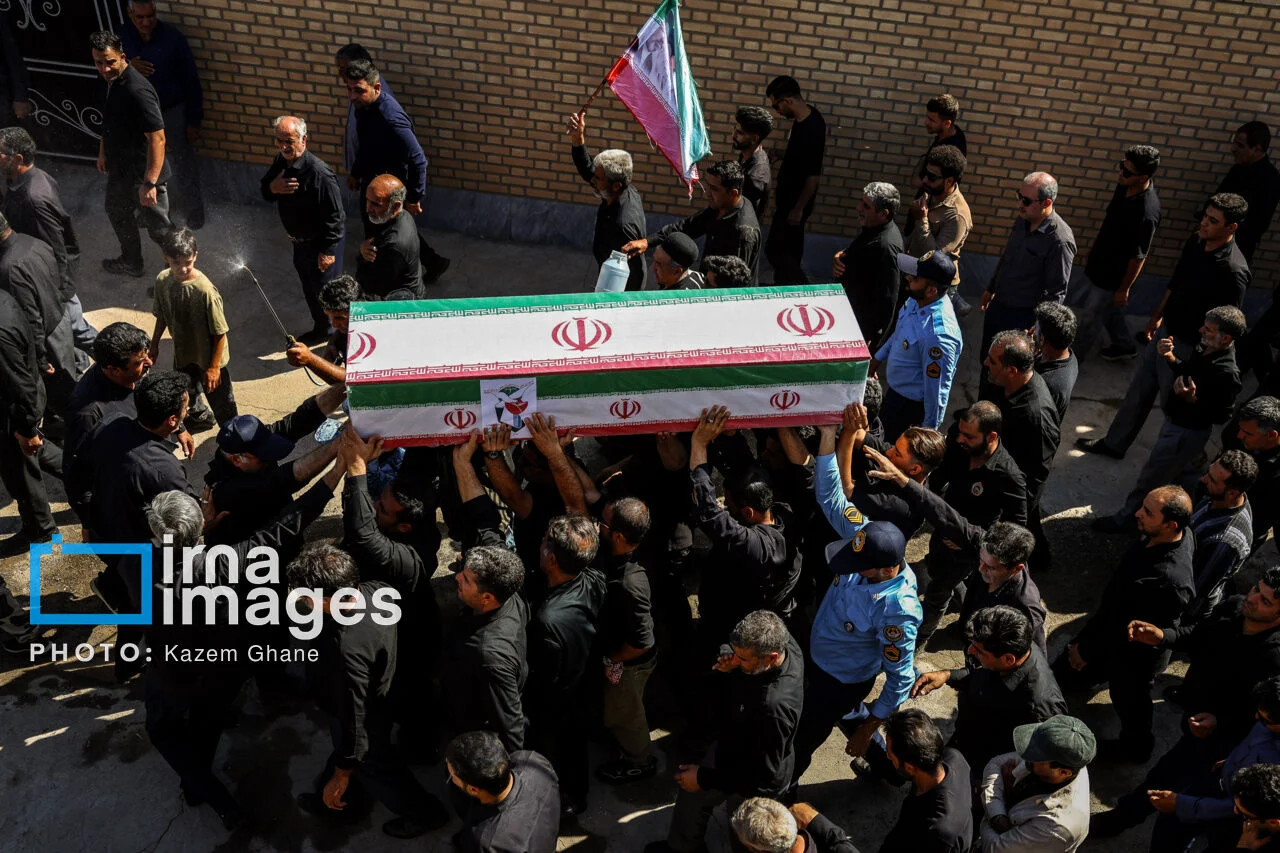
The past 24 hours have seen a dramatic shift in Iran's financial landscape, directly influenced by escalating regional tensions. The Iranian Toman depreciated significantly against the US Dollar, with USD/IRR rising from 183,200 to 187,500 Toman, marking a notable 2.3% increase. This movement comes on the heels of a reported US missile attack on an Iranian Army base, which, according to Iranian state media IRNA, resulted in seven fatalities and thirteen injuries [10]. Such an incident immediately injects a substantial degree of uncertainty and risk into the local economy, leading to a flight from the national currency towards perceived safe havens.
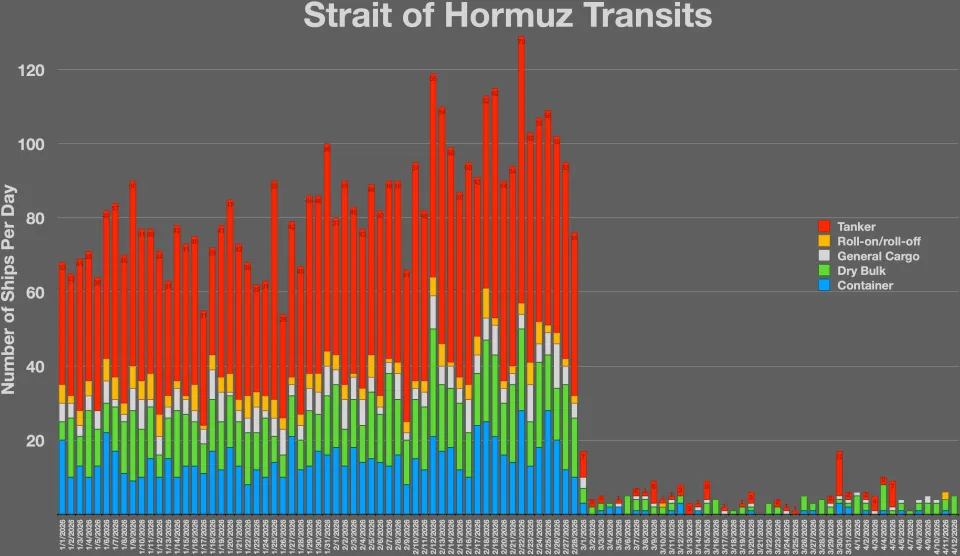
Simultaneously, the price of gold, a traditional hedge against instability, surged. Gold 18k/gram increased from 17,856,318 to 18,311,094 Toman, climbing 2.5%, while the Emami coin also gained 2.2% from 181,000,000 to 185,000,000 Toman. This sharp appreciation underscores the market's reaction to the heightened geopolitical risk. Further compounding concerns, the Japan Foreign Trade Council chair, Masahiro Okafuji, stated that commercial shipping through the Strait of Hormuz is now effectively off-limits due to reignited hostilities and threats to vessels [13], a sentiment reinforced by Iran's own threats to halt all Middle East energy exports amid renewed US blockade [0]. This critical choke point for global oil supplies, when threatened, sends shockwaves through markets far beyond the region, amplifying local fears of economic isolation and further sanctions. Meanwhile, on the global stage, US stock markets saw the Dow climb on cooler inflation data [21], and wage growth outpaced inflation in June [19], suggesting a potentially less aggressive Federal Reserve stance, which typically might weaken the dollar, but this global trend is currently overshadowed by the immediate regional crisis impacting the Toman.
The Bullish Case for USD/IRR and Gold
The primary driver for a continued bullish outlook on USD/IRR and gold is the undeniable escalation of geopolitical tensions between the US and Iran. The direct missile strike on an Iranian Army base [10] is a material worsening of the conflict, moving beyond rhetoric to direct military confrontation. This creates an environment of extreme uncertainty, where the Toman's value is directly undermined by the perceived risk of further military action, economic disruption, and the potential for a deeper, more punishing US sanctions regime. As history has shown, in times of severe national or regional crisis, local populations often seek refuge in hard assets and foreign currencies, particularly the US Dollar, to protect their purchasing power against domestic inflation and currency depreciation.
Adding to this, the renewed threats to the Strait of Hormuz [13, 0] are not merely regional concerns but global economic flashpoints. Any disruption to this vital shipping lane, through which a significant portion of the world's oil passes, could trigger a global energy crisis, driving up oil prices and, consequently, global inflation. For Iranian citizens, this translates into an expectation of higher import costs and further pressure on the Toman, naturally pushing them towards gold and the dollar as a hedge. The Iranian Navy's own rhetoric, such as the Deputy Commander's claim that an attack on the Dena destroyer exposed the enemy's fear of Iran’s naval power [8], further underlines the heightened military posturing, suggesting that de-escalation may not be imminent. This persistent geopolitical risk premium will, in our opinion, continue to underpin strong demand for both the US Dollar and gold within Iran.
The Bearish Case for USD/IRR and Gold (Potential Stabilization)
Despite the immediate surge, a bearish scenario for USD/IRR and gold, or at least a case for stabilization, hinges on several factors. Firstly, international diplomatic intervention could play a significant role. Major global powers, acutely aware of the economic ramifications of a full-blown conflict in the Middle East, may exert considerable pressure for de-escalation and a return to dialogue. Any credible signs of diplomatic breakthroughs or a reduction in military posturing could swiftly alleviate market fears, leading to a temporary pullback in both dollar and gold prices as the immediate risk premium diminishes. However, given the current rhetoric and actions, such a swift resolution appears challenging.
Secondly, global economic factors, though currently overshadowed, could eventually exert influence. Cooler inflation data from the US [21, 19] could lead the Federal Reserve to adopt a less hawkish monetary policy. While this typically weakens the dollar globally, its direct impact on USD/IRR is complex, as internal Iranian dynamics often override external currency movements. A globally weaker dollar might temper the extent of its appreciation against the Toman, but it's unlikely to reverse it entirely in the face of local geopolitical risk. Additionally, a significant, unexpected global economic slowdown could reduce overall commodity demand, including oil, which might indirectly ease some pressure on the Toman if it leads to lower import costs, though this is a more distant and less direct influence on local market sentiment compared to the direct conflict. However, our analysis suggests that the overriding factor for the Toman and gold in Iran remains the immediate geopolitical environment.

Arzbin's Nuanced View: Geopolitics Dominates, Volatility Ahead
Our opinion at Arzbin is that the current market movements in USD/IRR and gold are overwhelmingly driven by the heightened geopolitical tensions stemming from the US missile attack and the renewed threats to the Strait of Hormuz. These are not minor incidents; they represent a significant escalation that directly impacts investor confidence and the fundamental stability of the Iranian economy. Therefore, we anticipate that both the US Dollar and gold will likely remain elevated in Toman terms in the near future, as long as these tensions persist and there is no clear path to de-escalation.
While global economic signals, such as softening US inflation, might offer some counter-pressure on the dollar internationally, their effect on the Toman's internal depreciation against the dollar is likely to be marginal in the face of such profound local geopolitical risk. We advise readers to brace for continued volatility. Any news of further military action or diplomatic breakdown could propel prices even higher, while verifiable steps towards de-escalation could trigger sharp, albeit potentially temporary, corrections. This is a market deeply intertwined with political realities, and investors should remain highly vigilant, understanding that sudden shifts are always possible. This is an analysis, not financial advice, and individual decisions should be made with careful consideration of personal circumstances and risk tolerance.
Frequently Asked Questions
How does the US missile attack directly affect the Toman and gold prices?
What is the significance of the Strait of Hormuz in this context?
Are global inflation data and US stock market performance relevant to the Toman and gold prices in Iran?
What is Arzbin's short-term outlook for USD/IRR and gold?
Is this a good time to buy gold or US Dollars?
Understanding Safe Haven Assets in Times of Geopolitical Uncertainty
The concept of Safe Haven Assets becomes critically important during periods of heightened geopolitical tension and market volatility, precisely like the scenario described in the headline. A safe haven asset is an investment that is expected to retain or increase in value during times of market turbulence or economic downturn. Investors flock to these assets to protect their capital from potential losses in more volatile markets, seeking stability and a reliable store of value when fear and uncertainty dominate the financial landscape.
Historically, certain assets have consistently demonstrated this safe-haven quality due to their perceived stability, liquidity, and universal acceptance. Gold is perhaps the quintessential safe haven asset, revered for millennia as a store of value that is not tied to any single government or financial institution. Other common examples include highly stable government bonds (such as U.S. Treasuries or German Bunds), and certain strong currencies like the Japanese Yen or the Swiss Franc, which are often backed by robust economies and political neutrality.
When geopolitical crises erupt, such as the escalating tensions between Iran and the U.S. affecting the Strait of Hormuz, the immediate market reaction is often a flight to safety. This means investors sell off riskier assets, including local currencies of potentially affected nations (leading to depreciation, like the Toman), and redirect their funds into safe havens. The increased demand for these safe assets drives up their prices – explaining the surge in gold prices mentioned in the headline – while simultaneously weakening currencies and stock markets in regions perceived as vulnerable. Understanding this dynamic is key to interpreting market movements during global instability.