
Emami Coin vs. 18k Gold: Navigating Liquidity in Iran's Surging Safe-Haven Market
سکه امامی در برابر طلای ۱۸ عیار: بررسی نقدشوندگی در بازار پرنوسان ایران
As global uncertainties push demand for safe havens, both Emami coin and 18k gold have seen significant gains in the last 24 hours. For Iranian investors, understanding the nuances of their liquidity and market dynamics is crucial when deciding where to store value. This comparison delves into their unique characteristics to help inform your investment strategy.
At time of publishing
USD
183,300
Toman
Gold 18K
17.92M
Toman / gram
Bitcoin
$64,071
US Dollar
Tether
182,750
Toman
The Shifting Sands of Value: A Look at Recent Gains
In the ever-volatile landscape of global finance, tangible assets like gold continue to attract significant attention, especially in markets facing unique pressures. Over the past 24 hours, both Emami coin and 18k gold per gram have demonstrated robust performance in Iran, with Emami coin surging by an impressive +2.3% to 181,000,000 Toman, and 18k gold seeing a solid +1.6% increase to 17,918,648 Toman per gram. Even the USD, often seen as a direct counter to local currency depreciation, rose from 181,200 to 183,300 Toman, marking a +1.2% gain. These movements are not isolated; they reflect a broader response to escalating global instability, including the recent reports of oil jumping above $87 as Russia-Ukraine Black Sea attacks escalate and the Strait of Hormuz traffic stalls causing Pakistan to race for emergency LNG, signaling heightened regional risk and inflation concerns.
This climate of uncertainty extends beyond energy markets. Broader market jitters, exemplified by IBM’s stock having its worst day ever after a surprise earnings miss, contribute to a general investor apprehension that often steers capital towards traditional safe havens. Furthermore, the somber 10th anniversary of the Nice terrorist attack and the deployment of 70,000 security personnel across France for Bastille Day, while not directly financial news, underscore a pervasive sense of geopolitical unease. Such events, even if distant, contribute to a global mood that favors assets perceived as resilient against economic and political shocks, influencing the demand and pricing of gold and coins in markets like Iran.
Emami Coin: The Premium, the Prestige, and the Practicality
Emami coin’s leading performance with a +2.3% gain underscores its position as a significant store of value in the Iranian market. Beyond its intrinsic gold content, the Emami coin carries a cultural and investment prestige, often serving as a benchmark for gold investment and a preferred vehicle for larger sums due to its standardized size and official recognition. This makes it a highly recognized and widely accepted form of wealth preservation. However, this prestige often comes with a distinct “seke” (coin) premium, which can fluctuate based on local supply and demand dynamics, market sentiment, and even political developments, sometimes making its market price significantly higher than the value of its contained gold.
When considering liquidity, while Emami coins are widely traded, their larger nominal value (currently 181,000,000 Toman) can present unique challenges. Selling an Emami coin, especially when needing smaller cash amounts or during market downturns, might involve finding a buyer willing to pay the premium, or conversely, accepting a discount to liquidate quickly. Furthermore, for investors looking to access only a portion of their wealth, the indivisible nature of a full coin means they cannot liquidate a fraction without selling the entire unit, potentially limiting its day-to-day transaction flexibility compared to more granular gold units.
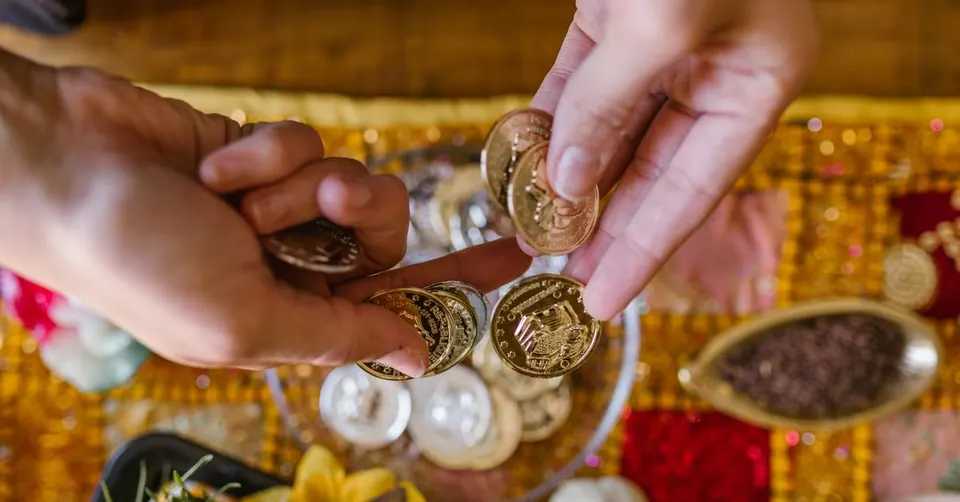
18k Gold Per Gram: Accessibility and Granular Control
In contrast to the Emami coin, 18k gold per gram, despite a respectable +1.6% gain, offers a different set of advantages, primarily centered around its unparalleled accessibility and divisibility. For many Iranian investors, buying or selling gold by the gram provides a highly flexible entry and exit point, allowing for smaller, more manageable transactions. This makes it an incredibly liquid asset for everyday needs, for gradually accumulating wealth with smaller capital outlays, or for liquidating precise amounts without the commitment or premium associated with a full coin. Its current price of 17,918,648 Toman per gram makes it approachable for a broader range of investors.
The high liquidity of 18k gold stems from its widespread acceptance across jewelry stores, gold exchanges, and local markets throughout Iran. Unlike coins, which can carry a specific premium or discount linked to their form or official status, 18k gold’s value is more directly tied to its weight and purity, reducing some of the speculative elements. However, investors should be aware of craftsmanship charges when purchasing gold jewelry and potential melting costs if selling for bullion, which can slightly erode its immediate value. Despite these minor considerations, the ability to buy and sell in small, precise quantities makes 18k gold exceptionally practical for managing personal finances in an uncertain economic environment.

Navigating Your Investment: Beyond the Numbers
Ultimately, the choice between Emami coin and 18k gold per gram is not about one being inherently superior, but rather about aligning the asset with individual financial goals, investment horizon, and tolerance for market fluctuations. If the primary objective is to preserve significant wealth over the long term, with less emphasis on immediate, fractional liquidation, Emami coins might be an attractive option, despite their fluctuating premium. Their historical role and cultural significance provide a strong psychological and economic anchor for many investors seeking stability in larger denominations.
Conversely, for those prioritizing flexibility, ease of transaction for smaller amounts, and lower entry barriers, 18k gold per gram offers superior liquidity and practical utility. In the current climate of economic uncertainty, marked by ongoing geopolitical tensions from the Black Sea to the Strait of Hormuz, coupled with broader global market jitters, the ability to easily convert assets into cash or reallocate them incrementally can be a decisive advantage. Investors should carefully weigh these pros and cons, considering their personal circumstances and liquidity needs, rather than solely chasing the highest short-term gains. A thoughtful strategy for wealth preservation and accessibility remains paramount in an unpredictable financial landscape.
Concept Diagram
Frequently Asked Questions
What is the 'seke premium' for Emami coins, and how does it affect liquidity?
How does the purity difference between Emami coin (22k) and 18k gold affect their market value and liquidity?
Can I easily sell small amounts of 18k gold without significant loss, compared to an Emami coin?
What are the typical costs associated with buying and selling 18k gold jewelry versus Emami coins in Iran?
How do geopolitical events, like those in the Strait of Hormuz, specifically influence the liquidity of gold and coins in Iran?
Understanding Asset Liquidity: Why It Matters for Safe-Haven Investments
Liquidity, in financial terms, refers to the ease with which an asset can be converted into cash without significantly affecting its market price. It's a crucial characteristic for any investment, as it determines how quickly an investor can access their funds or reallocate capital. Highly liquid assets, like cash or publicly traded stocks, can be bought or sold quickly with minimal price impact, while illiquid assets, such as real estate or unique collectibles, might take longer to sell and could require a price reduction to find a buyer.
For safe-haven assets—investments sought during times of economic uncertainty or market volatility to preserve capital—liquidity takes on even greater importance. The primary goal of a safe haven is to offer stability and a reliable store of value when other markets are faltering. However, for an asset to truly serve this purpose, it must also be readily convertible to cash when needed. An asset that holds its value but cannot be easily sold at its fair market price provides limited comfort to an investor facing immediate financial needs or seeking to seize new opportunities.
Consider the distinction between an Emami Coin and 18k gold jewelry in the Iranian market. Emami coins are standardized gold coins, issued by the Central Bank of Iran, making them a highly recognized and easily tradable commodity for investment purposes. Their uniform weight and purity ensure high liquidity, as buyers and sellers can transact quickly based on the prevailing gold price with minimal dispute over value. In contrast, 18k gold, often in the form of jewelry, carries a craftsmanship premium and its value can be subjective. Reselling jewelry usually involves a larger "bid-ask spread" (the difference between buying and selling prices) and may require a buyer to assess its purity and design, making it less liquid for a purely investment-driven transaction.
Therefore, for investors navigating volatile markets like Iran's, understanding the liquidity profile of their chosen safe-haven asset is paramount. While both Emami coins and 18k gold represent tangible gold holdings, their differing levels of liquidity can significantly impact an investor's ability to respond to changing economic conditions, access funds, or pivot their investment strategy effectively. Prioritizing assets with high liquidity ensures that the "safe" aspect of a safe-haven investment truly translates into accessible financial security.