

USDT vs. Gold: Choosing the Ultimate Shield as the Toman Slides and the Hormuz Crisis Escalates
تتر در برابر طلا: انتخاب سپر نهایی در زمان سقوط تومان و تشدید بحران هرمز
With the Toman dropping 1.4% to 178,400 and the Strait of Hormuz effectively closed, Iranians are racing toward hard assets. We analyze why USDT is trading at a premium despite a global stablecoin contraction and whether the 1.1% rise in Emami coins offers better liquidity than 18k gold.
At time of publishing
USD
178,400
Toman
Gold 18K
17.61M
Toman / gram
Bitcoin
$64,174
US Dollar
Tether
178,618
Toman
The Geopolitical Premium: A Toman in Freefall
As of Sunday evening, July 12, 2026, the Tehran market is breathing through a respirator of geopolitical anxiety. The USD has climbed from 176,000 to 178,400 Toman in just 24 hours, a sharp 1.4% depreciation that reflects the mounting dread over the Strait of Hormuz closure and the recent US strikes. While state media outlets like IRNA claim a sense of 'national awakening' during the funeral ceremonies for the late Leader, the currency exchange boards tell a more cynical story. Investors are not looking for ideological solace; they are looking for an exit. This flight to safety isn't unique to Iran; even in London, reports of a stabbing on Uxbridge Road [8] contribute to a sense of global social fragility that traditionally pushes capital toward 'hard' assets.
However, the nature of 'safety' is changing. In previous decades, a physical dollar bill under the mattress was the gold standard of Iranian preservation. Today, that paper is being challenged by digital alternatives and the yellow metal. The Sea of Azov drone strikes [1], which have forced Russia to suspend maritime shipping, serve as a grim reminder that physical logistics—whether for oil or for cash—can be severed in an instant. This makes the portability of wealth a top priority for those watching the Toman lose value by the hour.
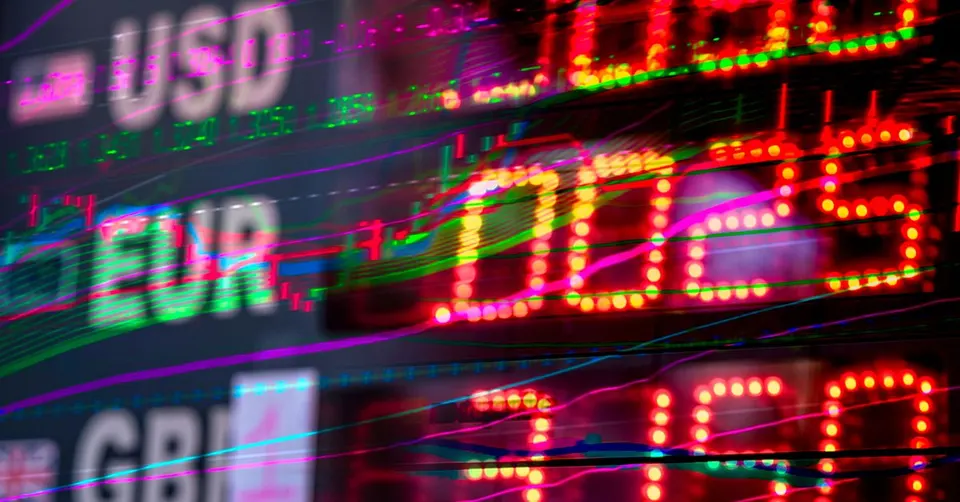
The Digital Escape: Why USDT Defies Global Trends
Global markets are currently witnessing a significant contraction in the stablecoin sector. Reports from CoinDesk [0] indicate that the stablecoin market cap has shrunk by $10 billion since May, the largest drop since the Terra-Luna crash. Under normal circumstances, this might signal a cooling interest in digital dollars. Yet, in the Iranian context, USDT is trading at 178,618 Toman—a noticeable premium over the physical greenback. This 'Iranian premium' exists because USDT offers something physical cash cannot: the ability to bypass borders that are increasingly being monitored or physically blocked due to regional conflicts.
This digital agility is a double-edged sword. While it protects against the physical seizure of assets, the global shrinkage of stablecoin liquidity suggests that the underlying infrastructure is under pressure. Much like the UK's largest community solar farm being forced to shut down due to grid overload [2], digital financial networks can also face 'thermal overloads' of regulation and liquidity drains. For the Iranian saver, the question is no longer just about the Toman's value, but whether the 'digital bridge' to the global economy will remain open if global stablecoin liquidity continues to evaporate.
The Weight of Gold: Coins vs. 18k Grams
Gold remains the traditional heavyweight in this fight. In the last 24 hours, 18k gold rose 0.9% to 17,613,924 Toman per gram, while the Emami coin jumped 1.1% to reach 178,000,000 Toman. The slightly higher growth in the coin market suggests a rush for standardized, highly liquid assets. The Emami coin is the 'Bitcoin' of the gold bazaar—it is the most recognized and the easiest to sell back to a dealer in a hurry. However, the 'bubble' or premium on these coins often expands during crises, meaning you might buy in at a price significantly higher than the actual gold content is worth.

Conversely, 18k gold per gram is a more 'honest' investment, tracking the international gold ounce (currently at $4,121.40) more closely. But it lacks the immediate 'cash-out' convenience of the coin. In a scenario where the internet might be restricted or a bank run occurs, physical gold has no counterparty risk. Unlike the sudden sacking of England's Test head coach Brendon McCullum [6], which shows how quickly leadership and strategy can be upended, the value of gold doesn't depend on a 'coach' or a government. It is a silent, heavy protector of value that doesn't require a password or a working power grid to exist.
The Verdict: Liquidity vs. Portability
Ultimately, the choice between USDT and Gold in July 2026 depends on your specific fear. If your fear is a total domestic shutdown or an inability to leave the country, physical gold—specifically the Emami coin—offers the highest local liquidity. It is the asset of the 'stay-at-home' survivor. However, if your strategy involves moving wealth across borders or maintaining a connection to the global market while the Toman devalues, USDT remains the superior, albeit riskier, vehicle.
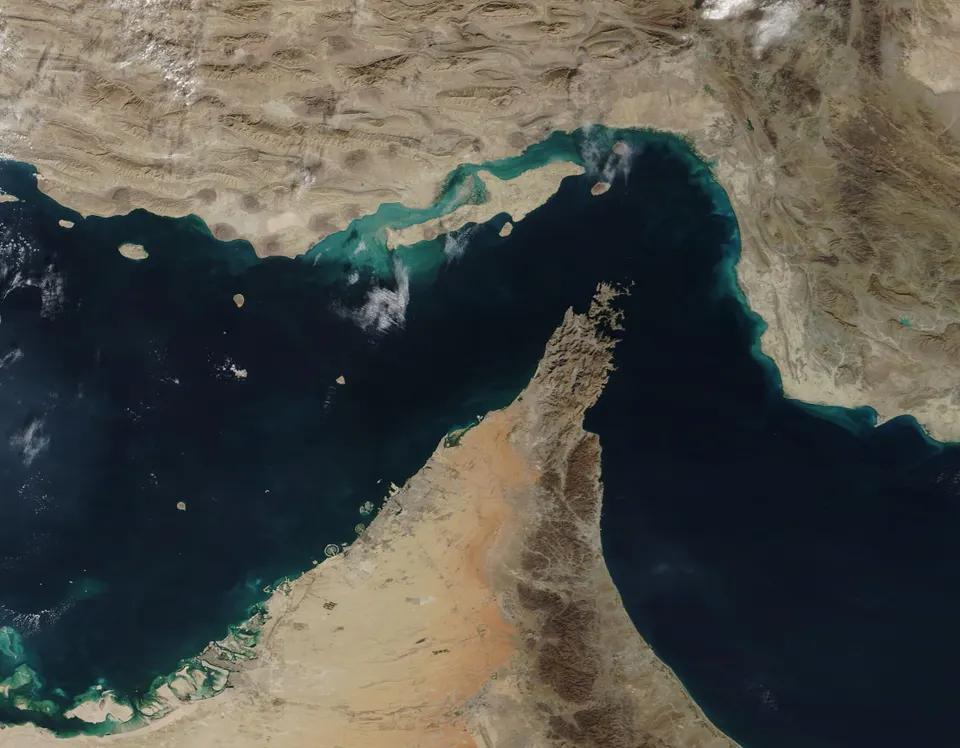
As we watch the Toman slide further, remember that every asset has a 'grid limit.' Just as the UK's solar projects are hitting a wall [2], your ability to exit a position is only as good as the market's remaining liquidity. Whether you choose the digital speed of the stablecoin or the ancient weight of the gold coin, the goal remains the same: ensuring that your labor today isn't erased by the geopolitical storms of tomorrow.
Concept Diagram
Frequently Asked Questions
Why is USDT more expensive than the paper dollar in Iran right now?
Is it better to buy Emami coins or 18k gold per gram for long-term saving?
What does the $10 billion drop in global stablecoin market cap mean for Iranian USDT holders?
How does the Strait of Hormuz closure specifically affect gold prices in Tehran?
Understanding Safe-Haven Assets in Times of Economic Instability
Safe-haven assets are investments that are expected to retain or even increase in value during periods of market turbulence, economic uncertainty, or geopolitical instability. Unlike typical investments that might fluctuate with market sentiment, safe havens are sought out by investors looking to preserve capital and mitigate risk when other assets are declining. Their appeal stems from their perceived stability and reliability, offering a refuge from the storm and a means to protect purchasing power against inflation or currency depreciation, a particularly relevant concern in regions experiencing significant economic pressures.
Historically, gold has been the quintessential safe-haven asset. Its enduring appeal lies in its tangibility, scarcity, and long-standing role as a store of value across civilizations. During crises, demand for gold often surges as investors flock to its perceived intrinsic value, seeing it as a hedge against inflation, currency devaluation, and systemic financial risks. Its global acceptance and high liquidity, particularly in physical form, make it a reliable choice for individuals and institutions alike, especially in markets where trust in local currencies or financial institutions is eroding.
In the digital age, stablecoins like USDT (Tether) have emerged as a new class of potential safe havens. These cryptocurrencies are designed to maintain a stable value, typically pegged 1:1 to a fiat currency like the US dollar. Their appeal as a safe haven, particularly in economies facing severe local currency depreciation, lies in their accessibility, divisibility, and the ability to bypass traditional financial controls. For many, stablecoins offer a digital alternative to holding foreign currency, providing a means to preserve wealth in a more stable unit, albeit with their own set of risks related to regulatory oversight, transparency of reserves, and the potential for de-pegging.
The choice between traditional safe havens like gold and newer digital alternatives like stablecoins often depends on various factors, including the nature of the crisis, accessibility, liquidity needs, and individual risk tolerance. While gold offers a time-tested, tangible hedge, stablecoins provide a digital, often more accessible, solution for those seeking to protect their assets from rapid local currency depreciation. Understanding the characteristics and trade-offs of these assets is crucial for anyone navigating volatile economic landscapes, such as those experiencing significant currency slides or geopolitical tensions.
Topics
Related Articles



We use cookies for analytics and advertising. You can accept or reject. See ourPrivacy PolicyandCookiesfor details.