
The 'Holy Grail' Hype vs. Hard Assets: Why Bitcoin and Gold Are Diverging in the 2026 Inflation Race
سراب «جام مقدس» و واقعیت داراییهای سخت: چرا مسیر بیتکوین و طلا در سال ۲۰۲۶ جدا شد؟
As the medical world's 'holy grail' test fails to deliver, investor sentiment is shifting back to tangible reality. We compare Bitcoin's $73k resilience against the sharp 2.2% drop in Emami coins to see which hedge actually holds water in today's Tehran market.
At time of publishing
USD
170,600
Toman
Gold 18K
18.76M
Toman / gram
Bitcoin
$73,833
US Dollar
Tether
170,206
Toman
The Collapse of the 'Holy Grail' Narrative
The financial world often mirrors the scientific one: we are constantly searching for a 'holy grail' that solves all our problems. In Chicago today, that narrative took a hit as the Galleri multi-cancer blood test, trialed on 142,000 NHS patients, failed to meet its primary goal of reducing late-stage diagnoses. For the tech-heavy investment world, this is a sobering reminder that even the most hyped breakthroughs can stumble. This sentiment often spills over into the crypto markets, where investors are constantly weighing the promise of 'future tech' against the cold reality of current utility. When a major technological promise fails, risk appetite usually shrinks, leading investors to look back at what is tangible and proven.
In the Iranian context, this 'risk-off' sentiment is visible in the 24-hour price action. While Bitcoin remains robust at $73,833, local gold markets are showing cracks. The Emami coin has seen a significant 2.2% drop, falling from 184 million to 180 million Toman. This suggests that the 'bubble' or premium often associated with minted coins is deflating faster than the underlying gold price, which only dropped 0.6%. It seems that when global headlines turn sour—whether it's failed medical trials or geopolitical stalemates—the local speculator is the first to blink, dumping the most 'inflated' assets first.

Insider Confidence vs. Retail Fear
While retail investors in Tehran might be feeling the pinch of a 0.4% dip in the USD (now at 170,600 Toman), the 'smart money' in the West is making different moves. Take the recent news of a major stakeholder buying $15.9 million worth of Shift4 shares. This kind of insider confidence in payment infrastructure suggests that while the 'hype' of AI and new-age tech might be under fire, the plumbing of the financial system—where Bitcoin and stablecoins like USDT (currently at 170,206 Toman) operate—is still seen as a value play. For an Iranian saver, the choice between holding physical dollars and USDT often comes down to this very distinction: do you trust the 'old school' paper or the 'new school' infrastructure?
Interestingly, even as companies like Anthropic seek moral legitimacy through alliances with the Vatican to discuss AI harms, Bitcoin remains stubbornly neutral. It doesn't need a blessing from the Pope to maintain its value; it relies on the same mathematical certainty that makes it a 'digital gold' in 2026. However, the 18k gold gram price at 18,755,021 Toman reminds us that physical gold remains the ultimate 'trustless' asset. You don't need electricity or a private key to prove its worth, which is why it remains the bedrock of Iranian household wealth even as the digital world fluctuates.
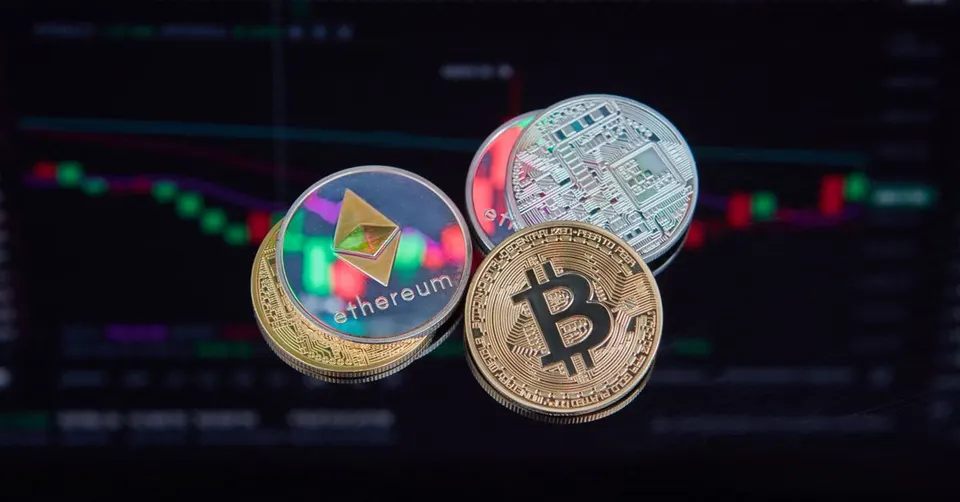
The Tangible Economy and the Distraction of Spectacle
There is a growing trend toward the 'tangible' that we see even in consumer tech, like the rise of high-end outdoor pizza ovens from brands like Ninja. People are looking for real-world experiences and assets they can touch. This 'return to the physical' is a powerful psychological driver for the gold market. When you buy an Emami coin, even at 180 million Toman, you are buying a piece of history and a physical weight. However, the current liquidity of 18k gold per gram often makes it a more rational choice than the coin, especially when coin premiums are volatile. The 2.2% slide in Emami compared to the 0.6% slide in gold grams proves that the 'brand' of the coin can be a liability during market corrections.
As the world turns its eyes to the Champions League final in Budapest between PSG and Arsenal, financial markets often enter a 'distraction phase.' Major sporting events can lead to lower trading volumes and sideways movement in currencies. For the Iranian trader, this weekend might be a time for observation rather than aggressive action. With the USD holding steady around 170,000 and the global gold ounce at $4,540, the market is in a state of 'tense equilibrium.' Whether you choose the digital path of Bitcoin or the ancient path of gold, the key in 2026 is recognizing that hype is temporary, but scarcity—be it 21 million coins or a bar of 18k gold—is permanent.

Frequently Asked Questions
Why did Emami coin fall 2.2% while 18k gold only fell 0.6%?
Is Bitcoin at $73,833 a better hedge than USD at 170,600 Toman?
How does the failure of medical trials in Chicago affect my crypto portfolio?
Understanding Inflation Hedges: Gold vs. Digital Assets in Volatile Economies
In an era marked by economic uncertainty and fluctuating currency values, the concept of an "inflation hedge" becomes paramount. An inflation hedge is an asset intended to protect an investor's purchasing power from the negative effects of inflation. When the cost of goods and services rises, and the value of a currency depreciates, traditional cash savings lose their real value. Investors, therefore, seek assets that tend to either hold their value or appreciate during inflationary periods, allowing them to preserve their wealth. Historically, tangible assets like real estate, commodities, and particularly precious metals like gold, have served this critical role.
Gold has long been considered the quintessential inflation hedge. Its appeal stems from its finite supply, intrinsic value, and universal acceptance as a store of wealth across cultures and geopolitical landscapes. In times of economic turmoil, geopolitical instability, or severe currency depreciation – often seen in emerging markets – demand for gold typically surges as investors flock to its perceived safety and stability. Unlike paper money, gold cannot be printed into existence by governments, making it a reliable safeguard against the erosion of value caused by excessive monetary expansion.
More recently, digital assets like Bitcoin have emerged as a contemporary contender for the title of "digital gold" and a potential inflation hedge. Proponents argue that Bitcoin's decentralized nature, capped supply (21 million coins), and independence from government control make it an attractive alternative to traditional fiat currencies, especially in countries experiencing hyperinflation or strict capital controls. Its ability to be transacted globally and stored digitally also offers a level of accessibility and portability not found in physical gold.
However, the effectiveness of Bitcoin as a long-term inflation hedge remains a subject of debate. While it shares some characteristics with gold, such as scarcity, its relatively short history and extreme price volatility present significant risks. Gold's track record spans millennia, offering a proven history of wealth preservation through countless economic cycles. For investors navigating high-inflation environments, the choice between gold and digital assets often boils down to a trade-off between established reliability and the potential for higher, albeit more volatile, returns, alongside considerations of regulatory clarity and ease of access in their specific jurisdiction.