
AI Glasses and Border Wars: Why Your 2026 Hedge Needs More Than Just Gold
عینکهای هوش مصنوعی و جنگهای مرزی: چرا سبد دارایی شما در سال ۲۰۲۶ به چیزی فراتر از طلا نیاز دارد؟
As Israeli forces seize the historic Beaufort Castle and AI 'second brains' become a reality, the definition of a safe haven is shifting. We compare the stability of 18k gold against the high-tech allure of Bitcoin in a weekend where the Toman remains frozen at 170,400.
At time of publishing
USD
170,400
Toman
Gold 18K
18.73M
Toman / gram
Bitcoin
$73,572
US Dollar
Tether
170,140
Toman
The Fortress vs. The Cloud: A 2026 Dilemma
On this Sunday, May 31, 2026, the global landscape feels like a Philip K. Dick novel. In Paris, PSG fans are gathering at the Eiffel Tower to celebrate a Champions League victory, yet only a few thousand kilometers away, the Middle East ceasefire has shattered as Israeli troops captured the strategic Beaufort Castle in Lebanon. This stark contrast between celebration and conflict is exactly why the Iranian investor’s choice between gold and Bitcoin has never been more complex. Gold has traditionally been the 'Fortress'—a physical hedge against the type of territorial shifts we are seeing in the Bekaa Valley. With Emami coins trading at 179,500,000 Toman, the market is pricing in a 'risk-off' sentiment, even as the price saw a slight 0.3% dip today.
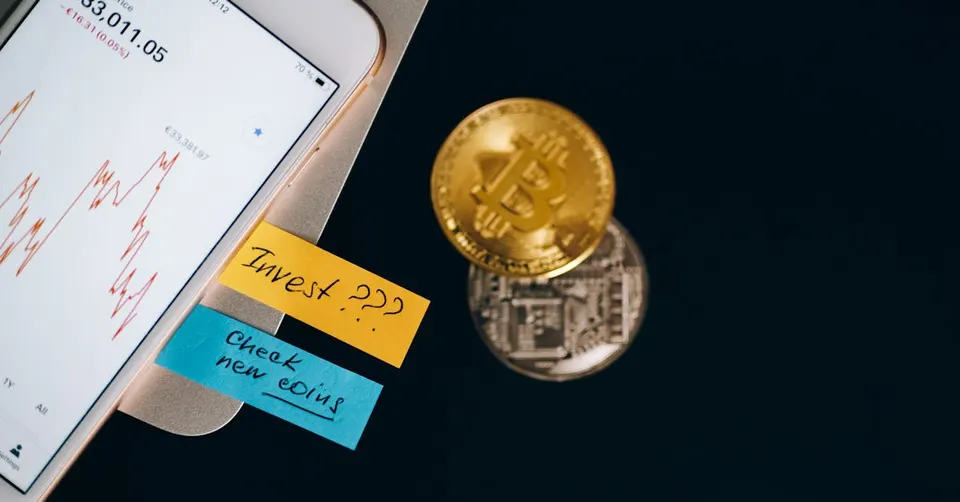
However, the nature of value is being redefined by technology. The launch of Mira, the $650 AI glasses that act as a 'second brain' by transcribing and searching your entire life, suggests that the most valuable asset in 2026 might not be a yellow metal, but data and the ability to process it. For the modern saver, Bitcoin at $73,572 represents this 'Cloud' philosophy. It is an asset that exists outside of physical borders, immune to the capture of a castle or the blocking of a shipping lane. While gold 18k sits at 18,733,090 Toman per gram, Bitcoin offers a level of portability that even a gold bar cannot match in an era where facial recognition and AI surveillance are becoming ubiquitous.

The Liquidity Trap: Emami Coin or USDT?
When we look at the 24-hour snapshot, the USD has stayed perfectly flat at 170,400 Toman, while USDT is slightly lower at 170,140. This narrow spread indicates a high level of efficiency in the digital dollar market in Iran. But liquidity is the real question for 2025 and 2026. If you need to liquidate a large position to cover an emergency, an Emami coin is arguably the most liquid physical asset in the country. However, the 'Bitcoin vape' trend—where consumers are being offered BTC rewards for everyday habits—highlights how deeply crypto is penetrating the retail consciousness. Even IO Interactive’s new James Bond game is being discounted on Steam, showing a fierce competition for the consumer's shrinking purchasing power.
Choosing between these two requires understanding your own 'threat model.' If you fear a total internet blackout or systemic banking collapse, gold remains the undisputed king. It doesn't require a password or a functional power grid. But if you are planning for a future where you might need to move assets across borders instantly—perhaps to fund a child's education or escape a regional conflict—the physical weight of gold becomes a liability. The 0.1% drop in 18k gold today is a rounding error, but it reminds us that gold is a slow-moving shield, not a sword for growth.

The Verdict of 2026: Diversification is Mandatory
The 2026 market is no longer a place for 'all-in' bets. With Bitcoin hovering near $73.5k and the Toman stabilized (for now) at the 170k mark, the smartest move isn't picking a winner, but identifying the specific risk each asset covers. Gold covers the risk of geopolitical catastrophe, like the escalating Lebanon incursion. Bitcoin covers the risk of currency debasement and provides a bridge to the global digital economy. The fact that USDT and physical USD are trading at nearly the same price suggests that the Iranian market no longer sees a significant 'risk premium' for holding digital assets over paper ones.
Ultimately, the decision rests on whether you believe the future will be defined by the 'Old World' of castles and borders or the 'New World' of AI and decentralized ledgers. As we watch PSG fans celebrate in a city that could easily be the next target of economic or political shifts, it becomes clear that 'safety' is a relative term. Whether you hold a coin minted in Tehran or a private key generated on a hardware wallet, the goal remains the same: preserving the fruits of your labor in a world that is moving faster than ever before.
Frequently Asked Questions
Why is the spread between USD and USDT so narrow in May 2026?
How does the capture of Beaufort Castle affect the gold price in Toman?
Is Bitcoin at $73k a better hedge than 18k gold at 18.7M Toman?
Inflation Hedging: Traditional Gold vs. Digital Assets
Inflation, the rate at which the general level of prices for goods and services is rising, erodes the purchasing power of money over time. To combat this erosion, investors seek "inflation hedges"—assets designed to retain or increase their value during periods of rising prices. Historically, gold has been the quintessential inflation hedge, revered for its intrinsic value, scarcity, and independence from government fiscal policies. Its long-standing role as a store of value has made it a reliable choice for preserving wealth across centuries and economic cycles.
However, the 21st century has introduced a new class of assets into the hedging conversation: digital currencies. Bitcoin, often dubbed "digital gold," shares some characteristics with its physical counterpart, such as a limited supply and decentralization, which proponents argue make it a strong hedge against inflation and currency debasement. Stablecoins, on the other hand, aim to maintain a stable value relative to a fiat currency (like the US dollar) or a basket of assets. While not designed to appreciate against inflation themselves, they can serve as a crucial hedge against hyperinflation or rapid depreciation of a local currency, offering a more stable digital alternative for those in volatile economic environments.
The choice between traditional and digital hedges involves a trade-off. Gold offers stability rooted in millennia of trust but can be cumbersome to store and transport, and its returns might be modest. Digital assets, while offering accessibility and potentially higher returns, come with significant volatility, regulatory uncertainties, and technological risks. For instance, Bitcoin's price swings can be dramatic, making it a risky short-term hedge, even if its long-term narrative as a store of value holds promise.
Ultimately, a diversified approach is often recommended. For investors facing specific challenges like high local inflation or geopolitical instability, a combination of traditional assets like gold alongside digital alternatives—perhaps Bitcoin for long-term speculative hedging and stablecoins for immediate preservation against local currency collapse—can offer a more robust strategy than relying on a single asset class. The "best" hedge is not universal; it depends on an individual's risk tolerance, time horizon, and the specific economic pressures they aim to mitigate.