
War Premium Ignites: Toman Pierces 190,000 as US-Iran Escalation Redraws Market Boundaries
آتش جنگ در بازار ارز: دلار از مرز ۱۹۰ هزار تومان گذشت؛ سناریوهای پیشروی تومانی در سایه تنشهای نظامی
The USD/IRR pair surged 1.5% in 24 hours to reach 190,800 Toman following confirmed US strikes on Iranian soil and IRGC claims of retaliation. With gold following suit and Bitcoin sliding under $63,000, we analyze whether this is a temporary spike or the start of a catastrophic devaluation cycle.
At time of publishing
USD
190,800
Toman
Gold 18K
18.54M
Toman / gram
Bitcoin
$63,104
US Dollar
Tether
193,122
Toman
Key figures
US Dollar
190,800
Iranian Toman
↑ 1.49% todayBitcoin
$63,104
US Dollar
The Toman Under Siege: A 1.5% Jump in 24 Hours
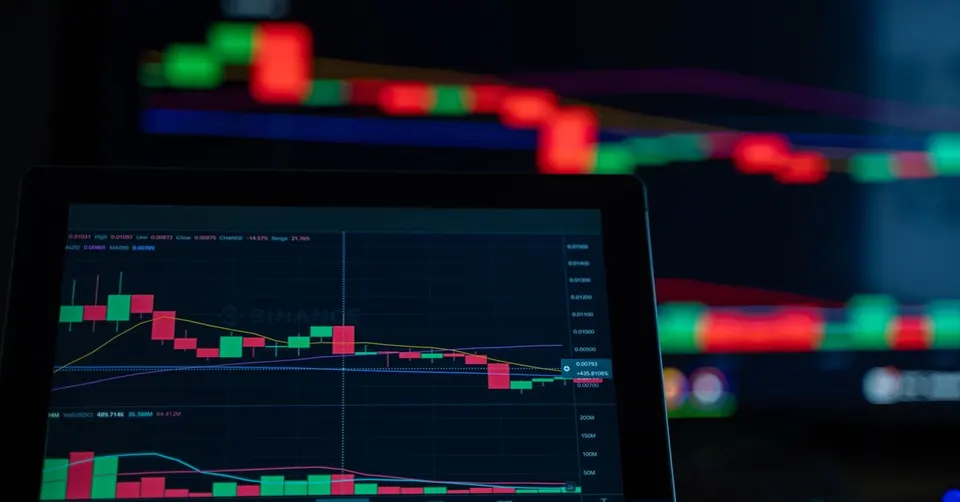
The Iranian market is currently grappling with a classic 'war premium' scenario. Over the last 24 hours, the USD/IRR exchange rate rose from 188,000 to 190,800 (+1.5%), marking a significant psychological breach. This volatility is not happening in a vacuum; it is the direct result of a dramatic military escalation. According to reports from the Ministry of Health, 38 people were martyred and over 400 injured in recent US strikes on Iranian territory. These figures, while provided by state-linked entities, have sent shockwaves through the local bazaars, where the fear of a full-scale regional war is now being priced into every transaction.
Gold has mirrored this upward trajectory, with 18k gold rising 1.4% to 18,537,328 Toman per gram. Interestingly, while the USD and gold are surging, the Emami coin remained flat at 185,000,000 Toman, suggesting a temporary exhaustion in the coin market or a shift toward more liquid assets like paper currency and bullion. The atmosphere in Tehran is one of cautious dread, as the 'price of safety'—physical gold and hard currency—becomes the primary focus for household savings.
The Bullish Case for Prices: Retaliation and Risk
The case for further price increases in USD and gold rests heavily on the cycle of military retaliation. The Islamic Revolution Guard Corps (IRGC) has claimed that a surprise attack on the 'Al Udeid' air base in Qatar resulted in the destruction of US strategic refueling aircraft and radar systems. If these claims—reported by state media—are even partially accurate, they signal a major escalation that the US is unlikely to ignore. In such environments, the Toman traditionally loses value as investors flee to the US Dollar as a hedge against domestic instability.
Furthermore, global macro factors are adding fuel to the fire. Gold on the international market is hovering near a staggering $4,013.20 per ounce. As global tensions rise, the demand for gold as a 'safe haven' remains insatiable. For Iranian investors, this creates a 'double whammy': the local currency is weakening due to geopolitics, while the underlying global asset (gold) is simultaneously reaching record highs. This synergy could easily push the USD/IRR pair toward the 200,000 Toman mark if a diplomatic off-ramp is not found within the coming days.
The Bearish Case: Market Exhaustion and Global Liquidity
Conversely, there is a possibility that we are seeing a 'blow-off top'—a final, frantic surge before a correction. The bearish case for USD/IRR (meaning a strengthening Toman) relies on the idea that the current panic is overextended. If the US and Iran move toward a back-channel de-escalation, the 'war premium' could evaporate as quickly as it appeared. Additionally, we must look at the global crypto and tech markets. Bitcoin has recently slid below $63,000, partly due to rate jitters and the rise of Chinese AI models like Moonshot’s Kimi, which are disrupting the semiconductor sector.
A broader global market downturn or a 'risk-off' sentiment in the West often leads to a liquidity crunch. In such scenarios, even 'safe havens' can be sold off to cover margins elsewhere. If Bitcoin continues its descent and global markets enter a recessionary phase, the sheer lack of Toman liquidity in the domestic market could prevent the USD from climbing indefinitely. There is also the factor of government intervention; while often ineffective in the long run, the Central Bank of Iran may attempt aggressive market-making to prevent a total collapse of the currency during this high-stakes military standoff.
Nuanced View: Navigating the Fog of War
In my opinion, the market is currently driven 90% by headlines and 10% by fundamentals. When the Ministry of Health reports casualties of this magnitude, technical analysis of 'support and resistance' levels often becomes irrelevant. The breach of 190,000 is significant because it opens the door to the 200,000 Toman psychological barrier. However, one must remain skeptical of the more hyperbolic claims from state-run media regarding the destruction of US assets until independent verification is available.
The interplay between the falling Bitcoin price and the rising Toman is particularly fascinating. Iranians who previously used USDT as a hedge are now facing a dilemma: hold a falling crypto asset or move back into physical gold. This internal rotation is likely what kept the Emami coin stable despite the USD surge. My analysis suggests that unless we see a clear signal of de-escalation, the upward pressure on USD/IRR will persist, but readers should be extremely wary of buying at these local peaks, as any 'peace' rumor could trigger a massive correction. Uncertainty remains the only certainty.
Frequently Asked Questions
Why is the USD/IRR rising while Bitcoin is falling?
Is the 200,000 Toman level for USD realistic in 2026?
How does the IRGC claim about Al Udeid affect the market?
Should I buy gold at 18.5 million Toman per gram?
The Geopolitical "War Premium" and its Market Impact
The news headline highlights a crucial economic phenomenon known as the "War Premium," or more broadly, a "Geopolitical Risk Premium." This term describes the additional cost or price increase that markets attach to assets, commodities, or currencies due to heightened political instability, military conflict, or significant geopolitical tensions. When the threat of conflict escalates, as suggested by the US-Iran situation, investors and traders perceive a higher degree of risk, leading them to demand greater compensation for holding assets in affected regions or to seek safe-haven assets elsewhere.
This premium manifests in several ways. In currency markets, it typically leads to the devaluation of the currency of the nation perceived to be at higher risk, as investors move capital out, fearing economic disruption, sanctions, or even direct conflict. This explains the Toman's sharp depreciation. Simultaneously, safe-haven assets like gold often see their prices rise, as investors flock to them as a store of value during times of uncertainty. Commodities like oil can also experience a premium if the conflict threatens supply routes or major producing regions, regardless of the direct combatants.
Economically, the war premium reflects a collective market assessment of increased uncertainty and potential disruptions. It accounts for potential supply chain interruptions, higher defense spending, capital flight, reduced foreign direct investment, and the possibility of sanctions that could cripple an economy. For individuals, this often translates into higher inflation as import costs rise due to a weaker currency, and domestic production faces increased input prices and logistical challenges. Understanding the war premium is key to deciphering how geopolitical events directly translate into tangible economic impacts, from currency values to the price of everyday goods.