The 100-Day War Wall: Why Gold and USDT Are No Longer Moving in Lockstep at 178,000 Toman
دیوار ۱۰۰ روزه جنگ؛ چرا طلا و تتر در مرز ۱۷۸ هزار تومان از هم فاصله گرفتند؟
As the US-Israel-Iran conflict hits the 100-day milestone, the Toman has retreated 1.9% across all fronts. We analyze why paper dollars are commanding a premium over USDT and whether SpaceX IPO access is a better bet than 18k gold.
At time of publishing
USD
178,100
Toman
Gold 18K
18.66M
Toman / gram
Bitcoin
$61,892
US Dollar
Tether
177,400
Toman
The Psychological Weight of 100 Days
Sunday, June 7, 2026, marks a somber milestone in the regional landscape. The conflict involving the US, Israel, and Iran has officially reached its 100th day, a duration that has historically tested the resilience of any currency. In Tehran, the market's response was swift and symmetrical. The US dollar, 18k gold, and the Emami coin all surged by exactly 1.9% in a 24-hour window. This synchronized climb suggests that the move isn't driven by a global spike in gold or a sudden collapse of the dollar, but rather a localized devaluation of the Toman as risk appetite evaporates. The news of an Arab gunman's attack in central Israel has only added fuel to the fire, reminding traders that the 'new normal' of the conflict remains highly volatile.
For the Iranian saver, this 1.9% jump brings the USD sell rate to 178,100 Toman. While the number itself is a record high, the narrative behind it is shifting. We are no longer seeing the frantic, panic-driven spikes of the first month. Instead, we are witnessing a 'grind higher,' where every geopolitical headline—from the 100-day war reports to the shifting alliances in Armenia—acts as a floor for prices rather than a temporary ceiling. The market is pricing in a long-term geopolitical deadlock, and the 178,000 Toman level for the dollar has transformed from a psychological barrier into a base of operations for the next leg of the cycle.

The Digital Discount: USDT vs. Paper Dollars
One of the most fascinating anomalies in today's snapshot is the price gap between USDT and physical USD. Traditionally, Tether (USDT) carries a slight premium in Iran due to its ease of transport and 24/7 liquidity. However, today we see USDT trading at 177,400 Toman, while paper USD has climbed to 178,100. This 700-Toman 'digital discount' tells a story of immediate physical demand. When geopolitical tensions peak, as they have with the recent shootings in Israel and the 100-day war milestone, the Iranian market often reverts to 'cash in hand' psychology. Investors are willing to pay more for the greenback they can hold in their safe than the one they see on a screen.
This discrepancy offers a tactical opportunity for the tech-savvy saver. Buying USDT at a discount relative to the open market rate allows for a cheaper entry into the dollar-denominated world, provided one can stomach the platform risks. While the Ethereum Foundation's recent leadership shifts have raised some eyebrows, as noted by Joe Lubin, the underlying infrastructure for stablecoins remains the most efficient exit ramp from Toman volatility. The choice between physical and digital is no longer just about convenience; it is about choosing between the premium of physical safety and the efficiency of digital arbitrage.
Gold’s Stability vs. The SpaceX Frontier
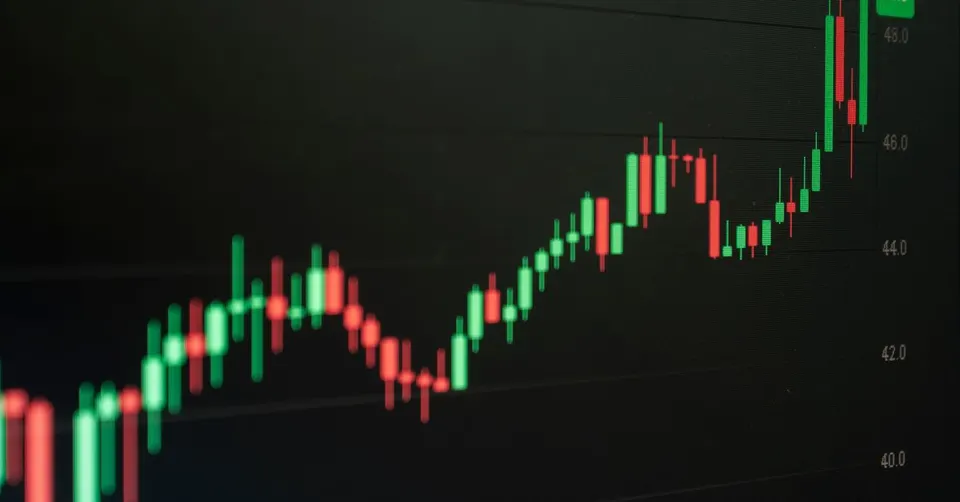
While gold 18k sits at a staggering 18,662,911 Toman per gram, a new challenger for the Iranian portfolio has emerged from the tech sector. The news that Bybit and Kraken are now offering tokenized access to the SpaceX IPO via xStocks has introduced a 'growth vs. hedge' dilemma. For decades, Iranians have used the Emami coin—now at 184.5 million Toman—as the ultimate shield against inflation. But as Washington and Brussels stake their claims on the trillion-dollar AI and aerospace IPO wave, the question arises: is holding a yellow metal the best way to grow wealth in 2026, or is it time to pivot toward global tech giants?
Comparing a gram of gold to a fraction of a SpaceX share might seem like comparing apples to rockets, but for the modern Iranian investor, they represent the two ends of the risk spectrum. Gold is the defense; it tracks the Toman's fall and the global ounce's stability. SpaceX, accessible now through crypto-equities, represents the offense—a chance to capture the value of the 'Panther Lake' chip era and the AI boom. As Dell releases its most powerful XPS laptops yet and the tech world accelerates, the opportunity cost of staying 100% in gold is becoming harder to ignore. The smart move in this 100-day war economy may not be picking one over the other, but understanding that gold preserves what you have, while the new digital frontier targets what you could gain.

Concept Diagram
Frequently Asked Questions
Why is USDT trading cheaper than physical USD in Tehran today?
Is buying tokenized SpaceX shares on Bybit safe for Iranians?
Why did Gold and USD rise by the exact same percentage (+1.9%)?
Does the 100-day war milestone mean prices will stabilize or spike?
The Divergence of Safe-Haven Assets: Gold vs. Digital Proxies in Times of Crisis
In economies facing significant instability, currency devaluation, and geopolitical uncertainty, investors often seek out safe-haven assets and currency proxies to preserve wealth. Traditionally, gold has served this role due to its intrinsic value and historical resilience against inflation and economic downturns. More recently, digital stablecoins like USDT (Tether), which are pegged to the US dollar, have emerged as popular proxies for foreign currency, offering a way to bypass local currency controls and hedge against depreciation of the national currency, such as the Iranian Toman.
Typically, in highly volatile markets, both gold and USD-pegged stablecoins like USDT tend to move in relative lockstep against a rapidly devaluing local currency. As the Toman loses value, the cost of acquiring both physical gold (often priced internationally in USD) and USDT (a direct USD proxy) in Toman terms would generally rise. This parallel movement reflects a shared market sentiment towards seeking stability away from the local currency.
However, the headline suggests a divergence, indicating that gold and USDT are "no longer moving in lockstep." This split can occur due to a complex interplay of factors. Geopolitical events, like the "100-Day War Wall" mentioned, can uniquely influence the perceived risks and benefits of physical assets versus digital ones. For instance, physical gold might be seen as harder to seize by authorities but also more difficult to transport or liquidate quickly in a crisis. Conversely, digital assets like USDT offer high liquidity and ease of transfer, but their value and accessibility might be vulnerable to internet blackouts, exchange shutdowns, or regulatory crackdowns.
Furthermore, local market dynamics, supply-demand imbalances, and specific government policies can create premiums or discounts for one asset over the other. The ease of access, regulatory environment for cryptocurrency, and the physical availability of gold can all contribute to a decoupling of their price movements against the local currency. Understanding these nuanced behaviors is crucial for investors navigating highly volatile and sanction-hit markets, as it highlights that even assets designed to protect wealth can react differently to evolving crises.