
Gold vs. USD: Why the 'Yellow Metal' is Outrunning the Greenback in Tehran’s Heatwave Economy
طلا یا دلار؟ چرا در تب و تاب تابستان ۱۴۰۵، سکه امامی از اسکناس آمریکایی سبقت گرفت؟
As the USD climbs to 166,650 Toman, gold is performing even better, with Emami coins jumping 1.8% in a single day. We analyze why global heatwaves and regulatory crackdowns are making physical assets more attractive than digital or paper ones.
At time of publishing
USD
166,650
Toman
Gold 18K
16.46M
Toman / gram
Bitcoin
$60,493
US Dollar
Tether
167,003
Toman
The Iranian market is currently witnessing a fascinating divergence. While the US Dollar rose by a respectable 1.2% over the last 24 hours to reach 166,650 Toman, gold has stolen the spotlight. 18k gold per gram climbed 1.4%, and the Emami coin surged by 1.8%, hitting the 166 million Toman mark. This isn't just a local fluke; it is a reflection of a global shift where 'hard' assets are being revalued against 'soft' paper and digital assets. In Tehran, when the gap between gold's growth and the dollar's growth widens, it usually signals a deeper anxiety about long-term purchasing power.
The Environmental Inflation Factor
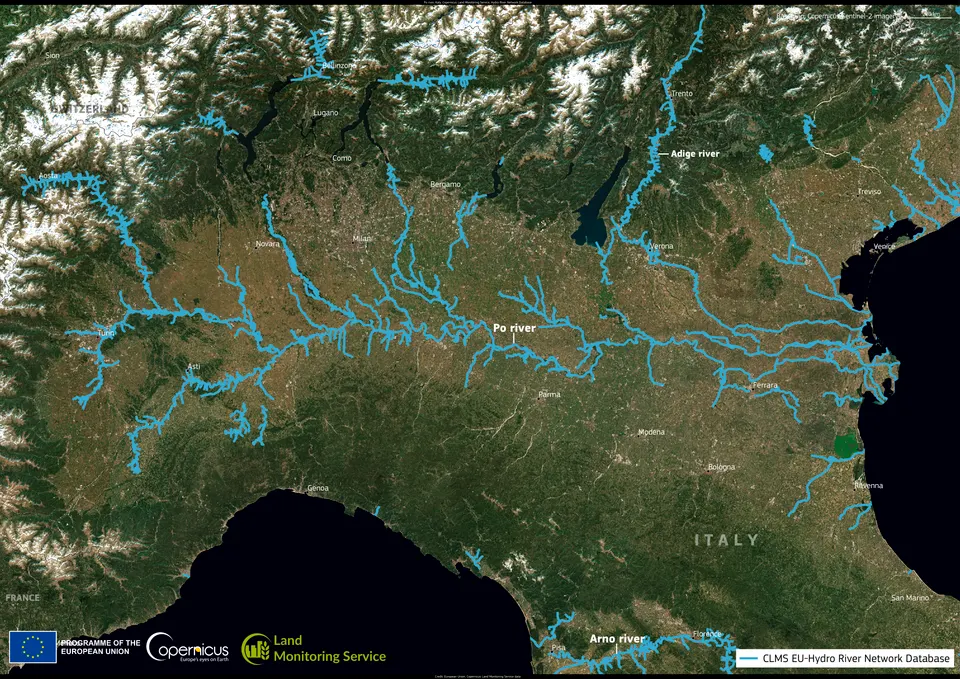
One of the most overlooked drivers of global gold prices right now is the catastrophic climate situation in Europe. As we speak, Italy’s Po River is hitting record lows, threatening the production of essentials like Parmesan cheese and milk. In France, drowning deaths are climbing alongside record-breaking temperatures, and Germany’s roads are literally buckling under the heat. When the 'breadbasket' of Europe faces a drought this early in the season, global markets anticipate food inflation. Gold has historically been the ultimate hedge against such supply-side shocks. While a dollar bill is a promise from a central bank, a gram of gold is a hedge against a world where the cost of living is rising due to environmental scarcity.
Regulation and the 'Digital Friction'
Beyond the weather, we are seeing a massive tightening of the digital world. Australia’s Prime Minister Anthony Albanese recently announced a doubling of penalties for social media giants to $99 million, accusing them of failing to protect users. This 'war on tech' is bleeding into the financial sector. In the crypto world, we see giants like Coinbase and OKX aggressively trying to lure users away from Binance after its failure to secure a MiCA license in the EU. For the Iranian saver, this 'digital friction' makes USDT and other crypto-assets feel slightly more vulnerable to international policy shifts. When tech giants and exchanges face nine-figure fines and licensing hurdles, the simplicity of a physical gold coin becomes its greatest feature.
Liquidity vs. Security: The 2026 Choice
The choice between holding physical USD and Emami coins often comes down to liquidity. In the current Tehran market, the USD buy/sell spread is tight, but the Emami coin's 1.8% daily jump suggests that demand is outstripping supply. Interestingly, while the IRGC rebuffs US attempts at a military 'hotline' in the Strait of Hormuz, geopolitical risk remains high. This risk usually pushes local investors toward gold, which carries no counterparty risk. If you hold a dollar, you depend on the global banking system's stability; if you hold gold, you own the asset outright. As we move deeper into 2026, the 'yellow metal' is proving that even in a digital age, some of the oldest forms of money remain the most resilient against both political and planetary heat.
Frequently Asked Questions
Why did Emami coins grow faster than the USD today?
How does the Europe heatwave affect my savings in Iran?
Is USDT safer than physical gold right now?
What is the impact of the IRGC rebuffing the US hotline?
Currency Depreciation and Gold as a Safe-Haven Asset
In economies experiencing high inflation or political instability, a critical phenomenon known as currency depreciation often takes hold. This occurs when a country's currency loses value relative to other currencies, particularly major international ones like the US dollar. Factors such as persistent inflation, large trade deficits, economic sanctions, or a lack of confidence in government policy can all contribute to a currency's weakening. For individuals, this means their purchasing power diminishes rapidly, and their savings held in local currency erode over time, making everyday goods and services more expensive, especially imported ones.
When a local currency depreciates significantly, people naturally seek ways to protect their wealth. This leads them to safe-haven assets – investments that are expected to retain or increase in value during times of market turbulence and economic uncertainty. Historically, gold has served as the quintessential safe-haven asset. Its intrinsic value, universal acceptance, and limited supply make it a reliable store of value, especially in periods when trust in fiat currencies or financial institutions wanes. Unlike paper money, gold cannot be printed into existence by governments, making it immune to certain inflationary pressures.
In contexts like Iran, where the local currency (the Toman/Rial) has faced immense pressure from international sanctions, high inflation, and economic challenges, the appeal of gold as a safe haven is particularly strong. As the Toman depreciates against the US dollar, the price of gold in Toman terms tends to rise, not only reflecting international gold price movements but also the weakening of the local currency itself. This makes gold, often in the form of coins or bullion, a primary vehicle for individuals to preserve their savings and hedge against the erosion of their purchasing power, even amidst broader economic heatwaves.
Understanding currency depreciation and the role of safe-haven assets like gold is crucial for anyone trying to make sense of economic dynamics in volatile regions. It highlights how individuals and markets adapt to protect wealth when traditional financial systems are under stress, often leading to a surge in demand for tangible assets that transcend national borders and political whims.