
Gold Defies Dollar Dip: US Sanctions on Rwanda Refinery Spark Global Supply Fears
طلا در برابر افت دلار قد علم کرد: وحشت از کمبود عرضه در پی تحریم پالایشگاه رواندا توسط آمریکا
While the USD/IRR experienced a slight 0.6% pullback in Tehran, global gold markets are on edge following US sanctions against Rwanda’s Gasabo refinery. We analyze how regional tensions and Bitcoin's struggle below $60k are shaping a complex risk-off environment for Iranian investors.
At time of publishing
USD
164,750
Toman
Gold 18K
16.29M
Toman / gram
Bitcoin
$59,389
US Dollar
Tether
166,215
Toman
Key figures
US Dollar
164,750
Iranian Toman
↓ 0.60% todayBitcoin
$59,389
US Dollar
The Current Pulse: Divergent Paths
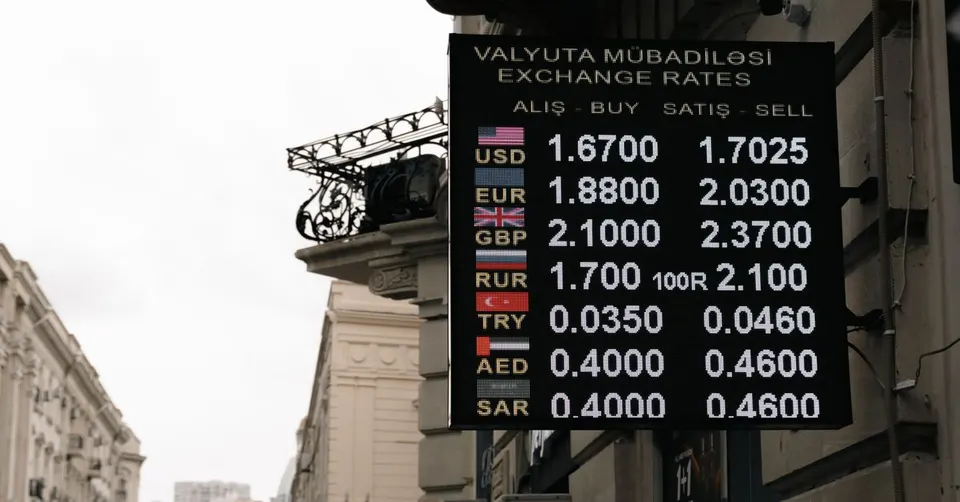
As of the Friday evening session in Tehran, the market is presenting a fascinating divergence. The USD/IRR, which stood at 165,750 just 24 hours ago, has softened to 164,750, marking a -0.6% decline. This cooling of the greenback comes despite a backdrop of heated rhetoric in the region. Meanwhile, Gold 18k/gram has moved in the opposite direction, rising from 16,200,886 to 16,287,455 Toman, a modest but significant +0.5% gain. The Emami coin remains stubbornly flat at 163,000,000 Toman, suggesting a standoff between retail buyers and institutional sellers who are waiting for a clearer signal from the global stage.
This localized cooling of the dollar is somewhat surprising given the external pressures. The US and GCC recently issued a statement that Tehran has explicitly rejected as 'interventionist,' typically a catalyst for a spike in the currency rate. However, the market seems to be pricing in a temporary plateau, perhaps due to local liquidity management or a wait-and-see approach regarding the upcoming weekend's geopolitical developments. The real story, however, lies in the gold sector, where international supply chain disruptions are starting to echo through the domestic bazaar.
The Bullish Case: Sanctions and Scarcity
The primary driver for gold's resilience today is the sudden US sanctioning of the Gasabo Gold Refinery in Rwanda. Accused of smuggling minerals from the DR Congo, the refinery’s removal from the legitimate supply chain removes significant tonnage from the market. In an era where 'conflict-free' gold is a requirement for major Western institutions, such sanctions create a supply vacuum. For the Iranian reader, this is a reminder that gold remains the ultimate 'sanction-proof' asset, even when the refineries themselves are targeted. When global supply tightens, the floor for gold prices naturally rises, regardless of local currency fluctuations.
Furthermore, the geopolitical friction between Iran and the US-GCC bloc adds a persistent risk premium to the market. As long as the Strait of Hormuz remains a focal point of maritime tension and diplomacy remains stalled, the 'fear trade' will continue to support gold and the dollar. Additionally, the shift in 'Big Oil' strategy—moving away from a rapid green pivot back to core fossil fuels—suggests that energy-driven inflation is here to stay. This environment is historically bullish for hard assets, as investors seek protection against the eroding purchasing power of fiat currencies.
The Bearish Case: The Crypto Warning and Liquidity Traps
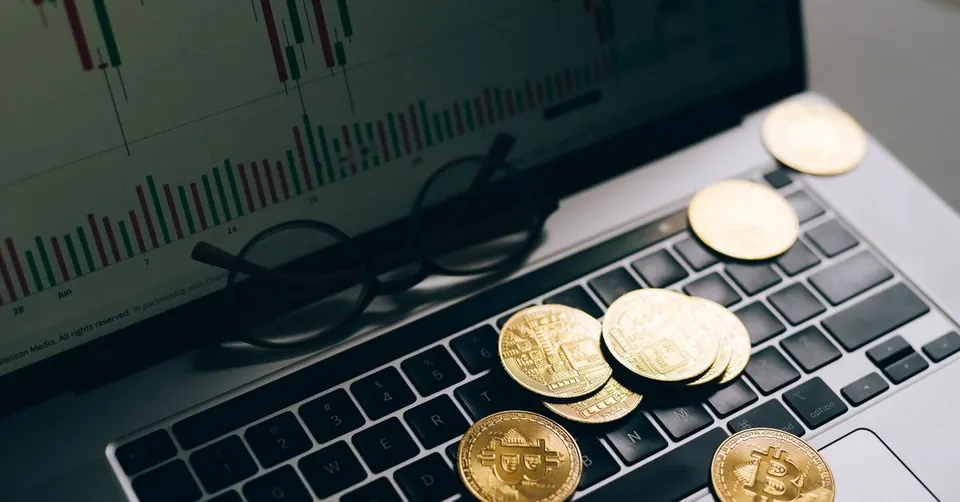
On the flip side, we must look at the 'canary in the coal mine': Bitcoin. BTC has cracked its fragile floor, falling to $59,389 as ETF investors pull out for the seventh consecutive week. This 'risk-off' sentiment in the digital gold space often precedes a broader deleveraging event in traditional markets. If institutional investors are fleeing BTC due to 'hawkish' Federal Reserve signals and hot PCE data, it is only a matter of time before that liquidity crunch hits other speculative sectors. A global slowdown or a stronger-than-expected US dollar on the international DXY index could eventually force a correction in Tehran’s gold prices, despite the current supply-side shocks.
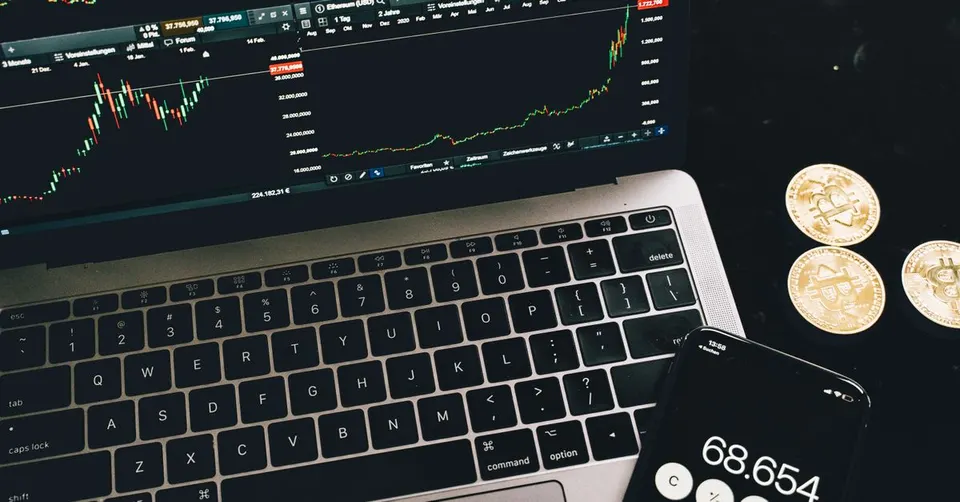
Moreover, the domestic dip in the USD/IRR (-0.6%) suggests that the immediate demand for physical cash might be reaching a saturation point. If the Central Bank of Iran manages to maintain its current intervention levels, the 'bull run' many expected for the summer might be delayed. High interest rates globally and the potential for a 'higher-for-longer' rate environment in the US could drain liquidity from emerging markets, making it harder for the Toman to sustain any rapid depreciation without a major external catalyst.
Nuanced View: A Game of Geopolitical Chess
My view is that we are currently in a 'consolidation trap.' The sanctions on Rwanda's refinery are a significant micro-factor for gold, but they are overshadowed by the macro-tension in the Persian Gulf. The market is not moving on economic fundamentals alone; it is moving on the perception of safety. While the USD/IRR has dipped slightly today, this should be viewed as a technical correction rather than a trend reversal. The divergence between gold (+0.5%) and the dollar (-0.6%) indicates that investors are currently prioritizing the global scarcity of gold over the local volatility of the dollar.
In the coming days, watch the $60,000 level for Bitcoin and the 165,000 level for USD/IRR. If Bitcoin fails to reclaim its floor, expect a broader 'flight to quality' that could pump gold even higher while keeping the dollar stable. However, should the heatwave in Europe or the energy crisis in the West trigger a sudden spike in oil prices, all bets are off. We are living in an era where a refinery in Rwanda and a heatwave in London can dictate the price of a gold coin in Tehran. Stay cautious, avoid over-leveraging, and remember that in a volatile market, liquidity is king.
Disclaimer: This analysis is the opinion of the author and does not constitute financial advice. Market conditions can change rapidly and involve significant risk.
Frequently Asked Questions
Why did gold rise while the US dollar fell in Tehran today?
What does Bitcoin falling below $60,000 mean for Iranian investors?
How do the sanctions on a Rwandan refinery affect the price of gold in Iran?
Is the current USD/IRR rate of 164,750 a good entry point?
Understanding Commodity Supply Shocks
A commodity supply shock occurs when there is a sudden and unexpected disruption to the availability of a raw material or primary product, such as oil, grain, or in this case, gold. These disruptions can stem from various factors, including geopolitical events like sanctions, natural disasters, infrastructure failures, or even significant policy changes. The immediate effect of a supply shock is typically a sharp increase in the commodity's price due to reduced availability and heightened demand, as buyers scramble to secure limited supplies.
For a precious metal like gold, often considered a safe-haven asset, a supply shock can have particularly pronounced effects. Even if other factors, such as a weakening U.S. dollar, might otherwise suggest a different price trajectory, the fear of scarcity can override these influences. Investors, seeking to preserve wealth amidst uncertainty and potential inflation caused by the shock, may flock to gold, further driving up its price. This dynamic highlights gold's dual role as both a commodity influenced by supply-demand fundamentals and a store of value in times of crisis.
The recent U.S. sanctions on the Gasabo Gold Refinery in Rwanda exemplify how targeted actions can ripple through global supply chains. Although a single refinery, its impact on a market already sensitive to geopolitical tensions can spark "global supply fears." This concern isn't just about the immediate loss of output from that specific facility, but also about the potential for broader disruptions, increased scrutiny on sourcing, and a general tightening of the market, leading to a perceived or actual shortage.
Economically, commodity supply shocks can contribute to inflationary pressures across an economy, as the higher cost of raw materials translates into higher prices for finished goods. They can also foster a "risk-off" market sentiment, where investors become more cautious, pulling funds from riskier assets like stocks or cryptocurrencies (e.g., Bitcoin falling below $60k in such an environment) and reallocating them to perceived safer alternatives. Understanding these shocks is crucial for comprehending market volatility and the complex interplay of economic and geopolitical forces.