
Bitcoin vs Gold: Which is the Better Inflation Hedge for 2025?
بیتکوین یا طلا: کدام یک برای پوشش تورم در سال ۲۰۲۵ بهتر است؟
As inflation worries loom over 2025, many Iranians are reevaluating their savings strategies. Bitcoin and gold stand out as potential hedges, each with unique strengths and challenges. This comparison delves into current data and future prospects to aid your decision.
At time of publishing
USD
171,750
Toman
Gold 18K
17.00M
Toman / gram
Bitcoin
$59,948
US Dollar
Tether
171,357
Toman
What Actually Happened
In recent years, Bitcoin has surged as a digital asset, gaining attention as a possible hedge against inflation. With the current price at $59,948, it's clear that Bitcoin remains an attractive option for those looking to diversify away from traditional assets like gold. Gold, on the other hand, has held its status as a reliable store of value for centuries, with its 18k per gram price currently at 17,003,555 Tomans. Both assets have seen significant price movements recently, with Bitcoin and gold both experiencing upward trends.
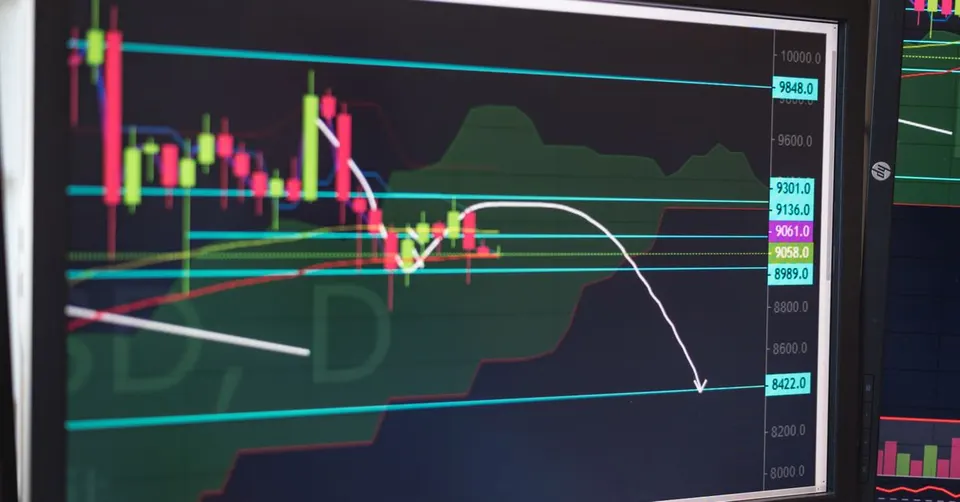
The allure of Bitcoin lies in its decentralized nature and capped supply, which many argue makes it an ideal hedge against the inflationary policies of central banks. Meanwhile, gold's tangible nature and historical precedent as a safe haven during economic downturns make it a perennial favorite.
Why This Matters
For Iranian investors, the decision between Bitcoin and gold is particularly pressing. With the Iranian economy facing sanctions and currency devaluations, safeguarding wealth is a top priority. The recent 2.9% increase in gold prices and the 4.2% rise in Emami coin value highlight the volatility and potential for returns in these markets.

Bitcoin's appeal in Iran is further bolstered by its potential to bypass traditional financial systems, offering a level of autonomy that is particularly valuable in a country with strict capital controls. However, this comes with its own set of risks, including regulatory scrutiny and market volatility.
The Bigger Picture
Looking ahead to 2025, the question of which asset will better serve as an inflation hedge is complex. Gold's track record offers a sense of security and predictability, but Bitcoin's innovation and the increasing adoption of blockchain technology present a compelling case for future growth.
Ultimately, the choice between Bitcoin and gold will depend on individual risk tolerance and investment goals. For those seeking stability, gold may seem the safer bet. Conversely, those with a higher appetite for risk and a belief in the digital future may find Bitcoin more appealing.
Frequently Asked Questions
Why is Bitcoin considered an inflation hedge?
What makes gold a traditional safe haven?
How has the price of Bitcoin changed recently?
Is gold still a good investment in 2025?
What are the risks of investing in Bitcoin?
Understanding Inflation Hedges: How Gold and Bitcoin Protect Against Rising Prices
Inflation hedges are assets that are expected to retain purchasing power when the general price level rises. In practice, investors look for instruments whose returns are not tightly coupled to the consumer‑price index, hoping that the asset’s value will either rise with inflation or at least not erode in real terms. The concept is rooted in the economic theory of the real rate of return: an investment’s nominal return minus the inflation rate gives the true gain for the holder.
Gold has been the classic inflation hedge for centuries. Its scarcity, durability, and global acceptance mean that when fiat currencies lose value, gold can be exchanged for goods and services worldwide. Moreover, central banks hold large reserves of gold precisely because it is a “store of value” that does not depend on any single nation's monetary policy. Historically, periods of high inflation—such as the 1970s oil shocks—saw gold prices surge, reinforcing its reputation.
Bitcoin entered the conversation as a digital alternative to gold, often dubbed “digital gold.” Proponents argue that its fixed supply of 21 million coins makes it immune to the money‑printing that fuels inflation. However, Bitcoin’s price is far more volatile than gold’s, driven by speculative trading, regulatory news, and technological developments. While it has occasionally moved in tandem with inflation expectations, its short‑term swings can outweigh any protective effect, especially for risk‑averse investors.
For 2025, the choice between gold and Bitcoin as an inflation hedge depends on the investor’s risk tolerance, time horizon, and belief in the future of fiat versus digital currencies. A diversified approach—holding a modest portion of gold for stability and a smaller, speculative slice of Bitcoin for potential upside—can balance the strengths and weaknesses of each. Understanding the underlying mechanics of an inflation hedge helps investors avoid the trap of chasing hype and instead focus on preserving real wealth over the long run.