

The $2 Billion Exodus: Is Bitcoin Losing Its Edge to Gold and the Dollar in 2026?
خروج ۲ میلیارد دلاری از بیتکوین؛ آیا طلا و دلار جای پادشاه ارزهای دیجیتال را میگیرند؟
With Bitcoin ETFs seeing massive outflows and gold prices showing a slight retreat, the battle for the ultimate inflation hedge has reached a fever pitch. We analyze whether the 'digital gold' narrative still holds weight for Iranian investors facing a unique domestic transition.
At time of publishing
USD
174,150
Toman
Gold 18K
17.58M
Toman / gram
Bitcoin
$62,660
US Dollar
Tether
173,365
Toman
The Great Digital Drain: $2 Billion and the Bitcoin Question
For months, the narrative surrounding Bitcoin was one of institutional triumph. The launch of ETFs was supposed to provide a permanent floor for the price, yet the last two weeks have told a different story. With over $2 billion in outflows from Bitcoin ETFs, the market is signaling a moment of profound hesitation. At the current price of $62,660, Bitcoin remains a titan, but the 'W-shaped reversal' predicted by analysts like John Bollinger suggests we are at a technical crossroads. For the Iranian investor, this volatility is a double-edged sword. While the potential for aggressive gains remains, as seen in the broader AI and tech stock rally, the risk of a sudden correction looms large when institutional giants start heading for the exit.
This exodus isn't just about price; it's about the shifting definition of 'safety.' When $2 billion leaves the digital space in a fortnight, it often finds its way back into the oldest repositories of value: the US Dollar and Gold. Even as Bitcoin struggles to maintain its momentum, the underlying technology and the promise of decentralized finance continue to attract those looking for 'second-chance buys' in the aggressive growth sector. However, for a savings vehicle in 2026, the question remains: can you stomach a 10% drop in a week when your domestic currency is already under pressure?

Gold and the Dollar: The Old Guards Stand Their Ground
In the physical markets, the story is one of measured retreat rather than panic. Today, Gold 18k per gram in Iran fell by 1.4%, landing at 17,579,297 Toman. This dip follows a global trend where the US Dollar has shown resilience despite domestic challenges in the States. As the US celebrates its 250th anniversary under a record-breaking heatwave that has even canceled parades in Washington D.C., the greenback remains the world’s primary liquidity tool. In the local market, the USD sell rate dipped slightly by 0.5% to 174,150 Toman, reflecting a momentary cooling in demand as the country focuses on national mourning ceremonies.
Gold, specifically the Emami coin which remained stagnant at 177,000,000 Toman today, continues to serve as the 'fear floor' for Iranian households. Unlike Bitcoin, which requires a digital infrastructure and a high tolerance for technical risk, gold is tangible. The current snapshot shows that while 18k gold is more sensitive to global fluctuations—falling nearly 1.5% in 24 hours—the minted coins often carry a psychological premium that keeps them stable even when the paper currency fluctuates. This stability is why gold remains the preferred vehicle for those looking to preserve wealth over a 5-to-10-year horizon, regardless of what the charts in New York or London say.
Navigating the Transition: The Iranian Investor’s Dilemma
Tehran is currently a city of somber reflection. The funeral of Ayatollah Khamenei has brought hundreds of thousands into the streets, creating a period of administrative and market stasis. Historically, such periods of transition in Iran lead to a 'wait-and-see' approach among big capital holders. We see this in the numbers: the USD/IRR rate has moved from 175,050 to 174,150, a minor correction that suggests traders are pausing rather than pivoting. This is the 'calm before the calculation' where investors must decide if they trust the stability of the Toman or if they need to move into harder assets like USDT or physical gold.
Comparing USDT (currently at 173,365 Toman) to the physical dollar reveals the modern Iranian strategy. USDT offers the speed of crypto with the (relative) stability of the dollar, but it lacks the physical anonymity of a hundred-dollar bill tucked in a safe. For the reader, the choice between these assets isn't just about the 24-hour delta; it's about liquidity. If you need to move large sums across borders, USDT is king. If you need to ensure your family's savings are safe from a total internet blackout or systemic banking failure, the Emami coin—despite its lack of movement today—remains the ultimate insurance policy.
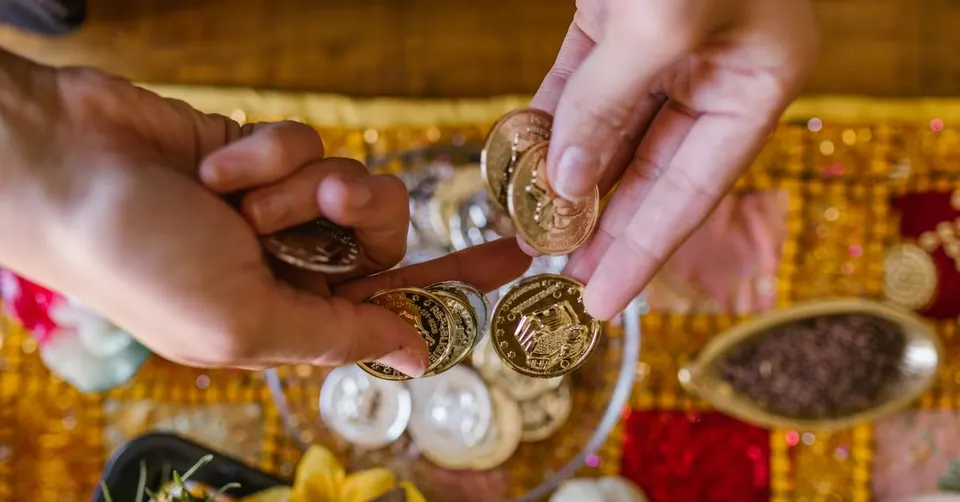
Concept Diagram
We use cookies for analytics and advertising. You can accept or reject. See ourPrivacy PolicyandCookiesfor details.