
USD and Gold Drop Amid Geopolitical Tensions and Market Fluctuations
افت قیمت دلار و طلا در میان تنشهای ژئوپلیتیکی و نوسانات بازار
USD/IRR fell by 2.9% to 169,850, while gold prices declined by 4.1%. These movements are influenced by geopolitical developments and economic dynamics. Explore what this means for markets and potential future trends.
At time of publishing
USD
169,850
Toman
Gold 18K
16.55M
Toman / gram
Bitcoin
$59,343
US Dollar
Tether
170,544
Toman
Key figures
US Dollar
169,850
Iranian Toman
↓ 2.92% todayBitcoin
$59,343
US Dollar
What Actually Happened
In the last 24 hours, the Iranian Toman has strengthened against the US dollar, with the USD/IRR exchange rate dropping by 2.9% to 169,850. Simultaneously, gold prices have seen a significant decline, with 18k gold per gram falling 4.1% to 16,549,009 Toman. The Emami coin also dropped by 2.3%, reflecting broader bearish sentiment in the gold market. These fluctuations are noteworthy as they occur against a backdrop of ongoing geopolitical tensions and shifting economic policies.
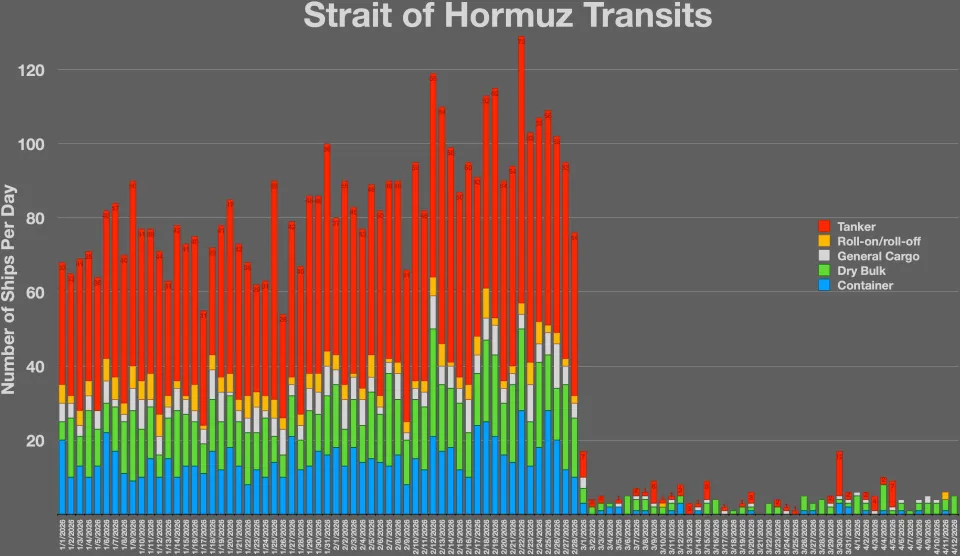
Analysts suggest that the recent strengthening of the Toman is partly due to the easing of tensions in the Strait of Hormuz, a critical chokepoint for global oil shipping. The announcement of upcoming talks between the US and Iran may have improved market sentiment temporarily, leading to a stronger Toman.
Why This Matters
The decline in gold prices can be attributed to a combination of factors, including shifting investor sentiment towards riskier assets and potential changes in global economic policies. With the Federal Reserve maintaining a cautious stance on interest rates and inflation, investors may be reallocating their portfolios away from traditional safe havens like gold.
Moreover, the geopolitical landscape continues to be a significant driver of market dynamics. Recent reports of excess deaths in France due to a heat wave underscore the broader impacts of climate change on national economies and global markets. Such events can shift investor focus towards commodities and sectors that are perceived to offer resilience or growth potential in the face of environmental challenges.

The Bigger Picture
Looking ahead, the interplay between geopolitical developments and economic policies will likely continue to influence currency and commodity markets. While the easing of US-Iran tensions might support the Toman in the short term, underlying uncertainties remain.
On the bearish side, any resurgence in geopolitical tensions, particularly involving major oil routes like the Strait of Hormuz, could quickly reverse the Toman's gains and push gold prices back up as investors seek safe havens. Additionally, any signs of stronger inflationary pressures or a shift in central bank policies could alter the current market dynamics.
Ultimately, while current data shows a temporary strengthening of the Toman and a decline in gold prices, these trends could be short-lived. Investors should keep a close watch on geopolitical developments and central bank signals, as these factors will play crucial roles in shaping future market directions.
In conclusion, while the present market snapshot shows a strengthening Toman and declining gold prices, the situation remains fluid. Geopolitical events and economic policy shifts will be pivotal in determining whether these trends persist or reverse in the coming weeks.
Frequently Asked Questions
Why did the USD/IRR exchange rate drop?
What caused the decline in gold prices?
How do geopolitical events affect currency and commodity markets?
What are the potential future trends for the Toman and gold?
How should investors react to these market changes?
Understanding Safe-Haven Assets in Times of Geopolitical Uncertainty
In the complex world of global finance, investors constantly seek ways to protect their wealth, especially during periods of heightened geopolitical tension or economic instability. This pursuit often leads them to "safe-haven assets" – investments that are expected to retain or even increase in value during market downturns, offering a refuge from volatility. Gold is perhaps the quintessential safe-haven asset, revered for millennia as a store of value, while major currencies like the U.S. Dollar (USD) and the Japanese Yen (JPY), along with certain government bonds (e.g., U.S. Treasuries), also frequently serve this role.
The appeal of safe-haven assets stems from their perceived stability and liquidity. When geopolitical crises erupt, or economic forecasts turn grim, investor sentiment shifts from seeking high returns to prioritizing capital preservation. This "flight to quality" drives demand for assets considered less risky, leading to their price appreciation or currency strengthening. For instance, concerns over regional conflicts, like those impacting the Strait of Hormuz, or global economic slowdowns, can prompt a surge in gold prices as investors move away from riskier equities or emerging market currencies.
However, the behavior of safe-haven assets isn't always straightforward. While the U.S. Dollar often strengthens during global uncertainty due to its status as the world's primary reserve currency and the liquidity of U.S. financial markets, its value can also fluctuate based on Federal Reserve policy, interest rate differentials, or specific domestic economic data. Similarly, gold, despite its historical safe-haven status, can experience drops even amid geopolitical tensions, as suggested by the headline.
Several factors can explain such counter-intuitive movements. A stronger U.S. Dollar, for example, makes gold more expensive for holders of other currencies, potentially dampening demand. Rising interest rates can also make non-yielding assets like gold less attractive compared to interest-bearing alternatives. Furthermore, the nature of the geopolitical tension matters: a localized, contained crisis might not trigger the same global flight to safety as a systemic risk. Sometimes, in extreme liquidity crunches, investors may even sell highly liquid assets like gold to cover losses elsewhere, temporarily overriding its safe-haven appeal. Understanding these nuances is crucial for deciphering market reactions during turbulent times.