

Gold’s Geopolitical Edge vs. USDT Stability: Choosing a Hedge as the Strait of Hormuz Simmers
طلا یا تتر؟ برتری داراییهای امن در سایه تنشهای تنگه هرمز و نوسانات دلار ۱۸۱ هزار تومانی
As the US dollar breaches the 181,100 Toman mark, investors face a critical choice between the digital agility of USDT and the historical safety of 18k gold. While gold has outperformed the dollar this week with a 0.8% jump, shifting energy markets and crypto-political scandals in the UK are adding new layers of risk to the decision.
At time of publishing
USD
181,100
Toman
Gold 18K
17.94M
Toman / gram
Bitcoin
$62,952
US Dollar
Tether
180,655
Toman
The Geopolitical Premium: Why Gold is Outpacing the Greenback
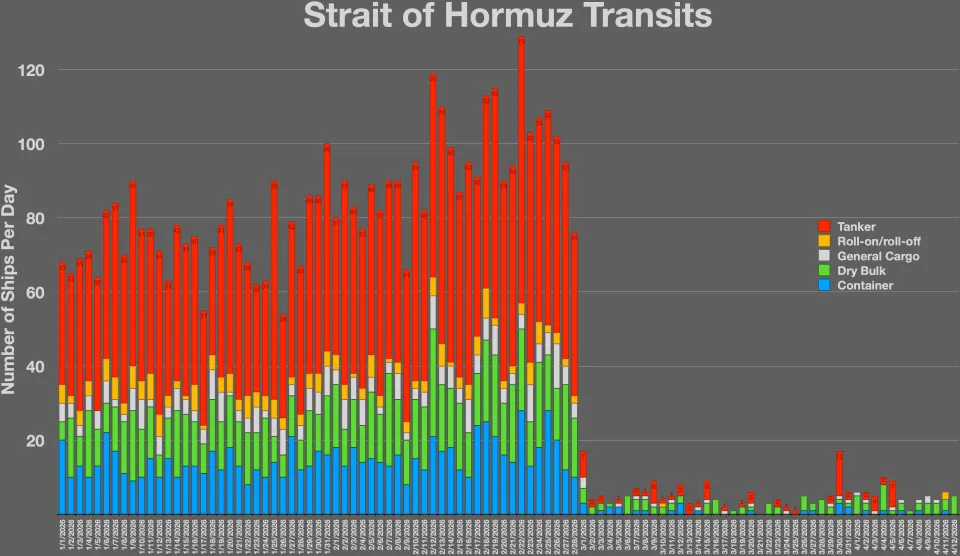
As of Thursday evening, the Iranian market is witnessing a fascinating divergence in how 'safe havens' are behaving. While the US dollar rose by a modest 0.5% to reach 181,100 Toman, 18k gold per gram surged by 0.8%, hitting 17,937,116 Toman. This gap isn't accidental; it represents the 'geopolitical premium.' When the Islamic Revolution Guards Corps (IRGC) issues warnings regarding foreign presence in the Strait of Hormuz, as they did today by claiming foreigners have no stake in the strategic waterway, the market reacts with visceral fear. Gold, unlike the dollar, absorbs both the local currency's devaluation and the global spike in uncertainty.
For the Iranian saver, gold currently acts as a double-edged sword of protection. On one hand, it tracks the global ounce, which is currently hovering at a staggering $4,127.90. On the other, it reacts to the domestic tension surrounding recent military strikes near Iranian infrastructure. While state media like IRNA continues to broadcast analysts' claims regarding the late Leader's role in shielding the country from Western imperialism, the actual market participants are voting with their capital, pushing Emami coins to 181,500,000 Toman. The liquidity of gold remains its greatest asset in Tehran; you can melt it, wear it, or hide it, whereas physical cash carries the risk of being tracked or confiscated during times of heightened security.
The Digital Dilemma: USDT and the Shadow of Regulation
Turning to the digital frontier, Tether (USDT) is trading at 180,655 Toman, slightly below the physical dollar's sell rate. This discount suggests that while the demand for 'digital dollars' remains high, the immediate panic is driving people toward physical assets they can hold. Crypto is also facing a global PR crisis that indirectly affects sentiment. In the UK, politician Nigel Farage is facing a by-election challenge and a parliamentary probe over a £5 million crypto donation from a Thai-based billionaire. This highlights a recurring theme: crypto, despite its decentralized promise, is increasingly entangled in the web of global regulation and political scandal.
For an Iranian investor, USDT offers unparalleled speed. You can move billions of Toman across borders in seconds, a feat impossible with gold bars or stacks of 100-dollar bills. However, the risk of 'centralized' stablecoins remains. If the US Treasury ramps up pressure on Tether to freeze wallets linked to Iranian IPs or exchanges, the digital hedge could evaporate. Bitcoin, meanwhile, is showing signs of what analysts call 'bottom building' after a period of holder capitulation. At $62,952, it remains a speculative play rather than a pure inflation hedge for the average saver who needs to pay rent next month.
The Macro Backdrop: Energy Shifts and Long-Term Value
Beyond the immediate borders of Iran, the global energy map is being redrawn, which has direct consequences for the Toman's future value. BP's new CEO, Meg O’Neill, has signaled a potential exit from the North Sea as the company tightens its capital discipline. Simultaneously, in Canada, high oil prices are fueling a massive rush into heavy crude in the Clearwater formation. These shifts suggest that while traditional oil hubs are under pressure, the global thirst for energy is finding new outlets. For Iran, which remains under heavy sanctions and faces military threats to its shipping lanes, this means the 'oil-backed' strength of the Toman is increasingly fragile.
When choosing between gold and USDT for 2026, one must consider the 'exit strategy.' Gold is the ultimate insurance against a total systemic collapse, but it is cumbersome to transport if one needs to leave the country. USDT is the bridge to the global economy, yet it requires a functioning internet and a degree of trust in digital infrastructure that is currently under fire from both local censors and international regulators. As the evening session closes at 181,100 Toman for the dollar, the market isn't just trading currency; it is trading on the probability of peace versus the necessity of survival.

Concept Diagram
Frequently Asked Questions
Why is gold rising faster than the dollar in Iran right now?
Is it safer to hold USDT or physical gold bars?
How does the BP North Sea exit affect the Iranian Toman?
What is the 'Strait of Hormuz' factor in today's prices?
Understanding Inflation Hedges in Times of Geopolitical Instability
In an increasingly volatile global landscape, understanding how to protect one's wealth from the erosion of purchasing power is paramount. This brings us to the concept of an inflation hedge—an asset intended to retain or increase its value during periods of high inflation or currency depreciation. People seek inflation hedges when they anticipate that the cost of goods and services will rise significantly, or when their local currency's value is rapidly declining, often exacerbated by economic sanctions, political instability, or geopolitical tensions.
Traditionally, gold has been the quintessential inflation hedge and a safe-haven asset. Its appeal stems from its intrinsic value, limited supply, and historical role as a store of value across civilizations. Unlike fiat currencies, gold cannot be printed into existence by governments, making it immune to governmental monetary policy decisions that might lead to inflation. In times of geopolitical turmoil, such as tensions in critical shipping lanes like the Strait of Hormuz, gold's perceived stability often increases, as investors flock to assets less correlated with specific national economies or political risks.
More recently, stablecoins like Tether (USDT) have emerged as a modern, digital alternative, particularly in regions facing severe currency devaluation or capital controls. Stablecoins are cryptocurrencies designed to minimize price volatility, typically by being pegged to a stable asset like the US dollar. For individuals in economies with rapidly depreciating local currencies, holding USDT can offer a digital means to preserve purchasing power by effectively holding a dollar-denominated asset that is easily transferable across borders, bypassing traditional banking systems that might be subject to restrictions. This accessibility and liquidity make them attractive, especially in crisis-hit economies.
However, the choice between gold and stablecoins as an inflation hedge involves different risk profiles. Gold offers physical security and a millennia-old track record but can be cumbersome to store and transport. Stablecoins offer digital convenience and rapid transferability but carry risks related to their underlying reserves' transparency, regulatory scrutiny, and the potential for their peg to break. Ultimately, the most suitable hedge depends on an individual's specific circumstances, risk tolerance, and the nature of the economic and geopolitical challenges they face.
Topics
Related Articles



We use cookies for analytics and advertising. You can accept or reject. See ourPrivacy PolicyandCookiesfor details.