USD/IRR Rises Slightly Amidst Political and Economic Tensions
افزایش جزئی نرخ دلار/ریال در میان تنشهای سیاسی و اقتصادی
The USD/IRR exchange rate has increased by 0.8% as political tensions and economic uncertainties continue to loom. How will these factors influence future currency movements?
At time of publishing
USD
175,000
Toman
Gold 18K
17.68M
Toman / gram
Bitcoin
$62,066
US Dollar
Tether
175,074
Toman
Key figures
US Dollar
175,000
Iranian Toman
↑ 0.84% todayBitcoin
$62,066
US Dollar
What Actually Happened
In the last 24 hours, the USD/IRR exchange rate has seen a modest increase, climbing from 173,550 to 175,000, marking a 0.8% rise. This comes against a backdrop of ongoing political and economic turbulence in Iran, largely influenced by recent political developments and international relations. The Iranian rial's value continues to be pressured by internal and external factors, including economic policy uncertainties and geopolitical tensions.
Meanwhile, the price of gold in Iran has slightly decreased, with 18k gold dropping by 0.3% from 17,729,350 to 17,683,180 tomans per gram. This minor decline suggests some market correction, albeit amidst an environment where gold usually acts as a hedge against currency devaluation.
In the realm of cryptocurrencies, Bitcoin remains steady at $62,066, showing resilience despite the turbulence in global markets. This stability reflects a broader market trend where digital assets are increasingly seen as a safe haven in times of economic uncertainty.
Why This Matters
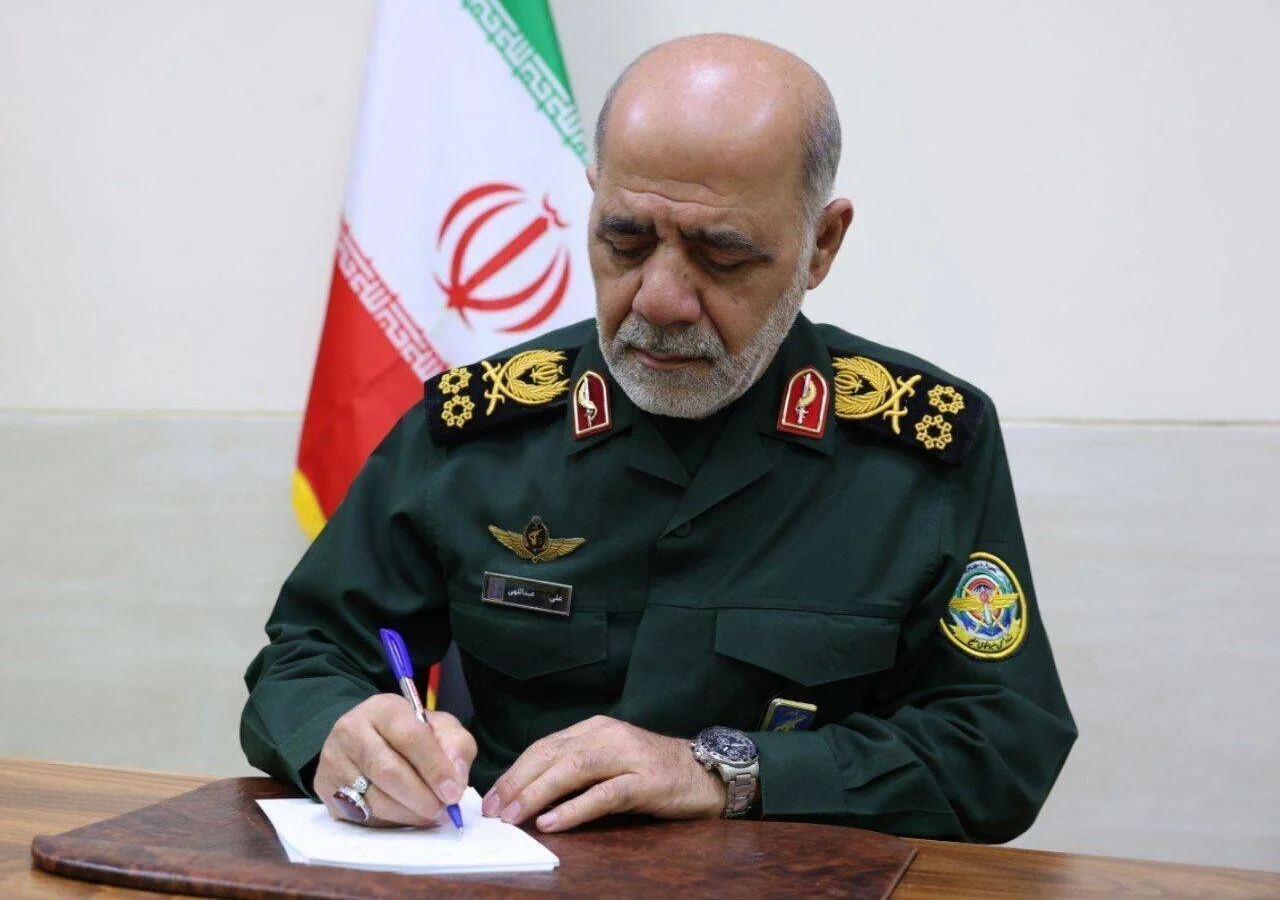
The increase in the USD/IRR exchange rate highlights the ongoing economic pressures facing Iran, exacerbated by political developments such as the reappointment of the Judiciary chief, which has been met with mixed reactions. Major General Ali Abdollahi's congratulatory message to the Judiciary chief underscores a strong alignment between the military and judicial branches, potentially impacting economic policy and investor confidence.
Geopolitical factors also play a crucial role. The recent NATO summit, where President Trump is set to meet Ukrainian leader Zelenskyy, adds another layer of complexity to the global economic landscape. Such high-stakes diplomacy could influence oil prices and, subsequently, the Iranian economy, which is heavily reliant on oil revenues.
The Bigger Picture
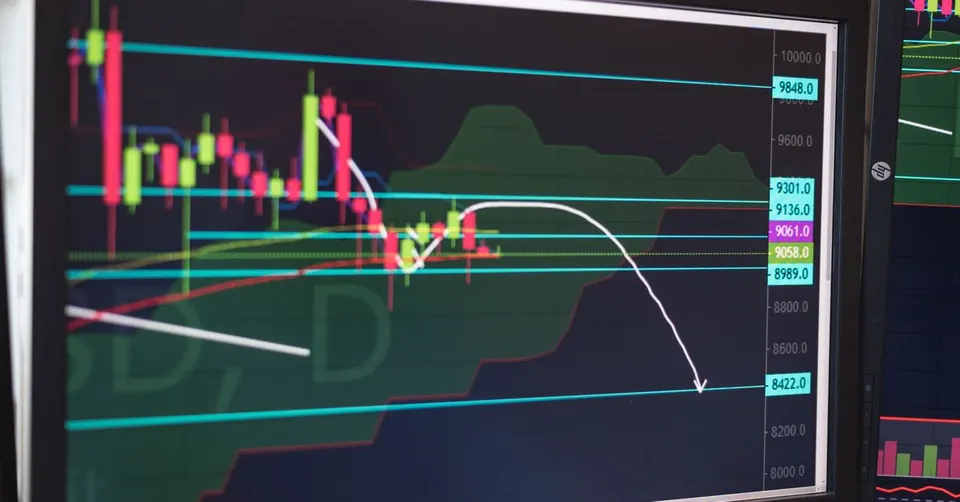
Looking forward, the USD/IRR exchange rate may continue to experience volatility. A bullish scenario could see further increases in the exchange rate if political tensions escalate or if economic sanctions intensify, putting additional pressure on the rial. On the flip side, a bearish case might emerge if diplomatic efforts lead to a reduction in geopolitical tensions or if positive economic reforms are implemented domestically.
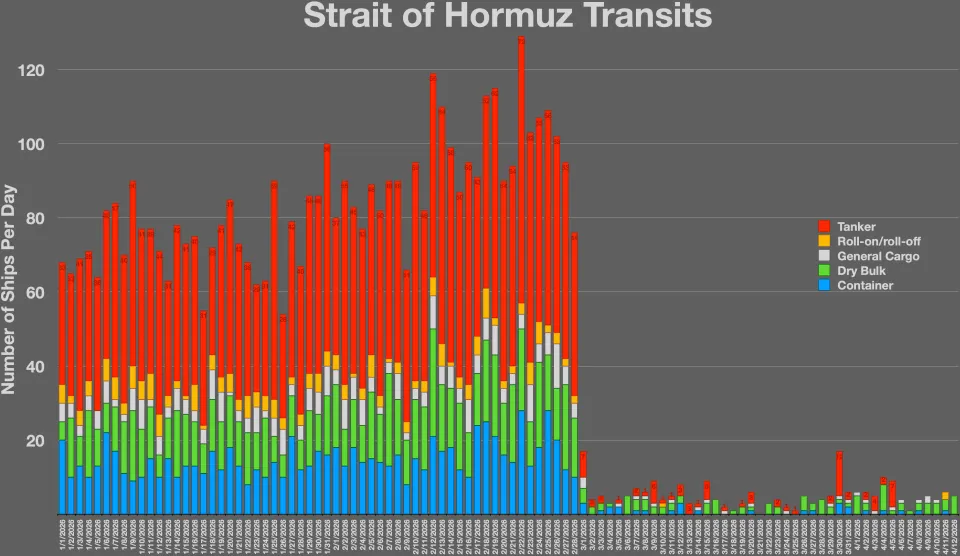
Global factors such as the Federal Reserve's interest rate decisions and oil market dynamics will also significantly impact the USD/IRR trajectory. A shift in U.S. monetary policy, for example, could alter global capital flows, affecting currency valuations. Similarly, any disruptions in the Strait of Hormuz, a critical chokepoint for global oil transport, could lead to fluctuations in oil prices, influencing Iran's economic stability.
In conclusion, while the short-term outlook for the USD/IRR exchange rate shows upward pressure, the situation remains fluid. Observers should closely monitor geopolitical developments and their potential impact on Iran's economy and currency.
Frequently Asked Questions
What caused the recent rise in USD/IRR?
How does geopolitical tension affect Iran's currency?
Why did gold prices in Iran decrease despite currency volatility?
Is Bitcoin's stability a sign of broader market trends?
What could influence the future of USD/IRR exchange rate?
Currency Depreciation: Understanding the Fall of a Nation's Money
When a headline mentions the USD/IRR rising, it signifies a crucial economic phenomenon: currency depreciation of the Iranian Rial. Currency depreciation occurs when the value of a country's currency falls relative to one or more foreign currencies. In simpler terms, it means you need more units of the local currency (Rial) to buy one unit of a foreign currency (US Dollar). This shift reflects underlying economic conditions and often has significant impacts on a nation's citizens and its global standing.
Several factors can drive currency depreciation, especially in economies facing instability. Geopolitical tensions, such as international disputes or regional conflicts, create uncertainty and can deter foreign investment, leading investors to pull capital out of the country. This 'capital flight' reduces demand for the local currency, causing its value to drop. Economic uncertainty, characterized by high inflation, budget deficits, or a lack of confidence in government policies, similarly erodes trust in the currency's stability. For countries like Iran, international sanctions play a particularly potent role, severely limiting trade, access to global financial markets, and the ability to earn foreign currency, exacerbating depreciation pressures.
The consequences of a depreciating currency are far-reaching. Domestically, it leads to higher prices for imported goods, as businesses need more local currency to purchase foreign products. This can fuel inflation, eroding the purchasing power of wages and savings. Citizens often respond by seeking 'safe-haven' assets like gold, stable foreign currencies (such as the US dollar), or even cryptocurrencies like Bitcoin, which are perceived as more reliable stores of value during times of economic turmoil. While depreciation can theoretically make a country's exports cheaper and more competitive, this benefit is often overshadowed by the challenges of economic instability and sanctions, particularly for economies with limited export diversification or restricted market access.