
Trump Scraps Ceasefire as Toman Slides: Is the 180,000 Level the New Floor?
پایان آتشبس از زبان ترامپ و سقوط ریال؛ آیا دلار ۱۸۰ هزار تومانی تثبیت میشود؟
The Iranian Toman fell 2.2% today as Donald Trump declared the US-Iran memorandum of understanding 'over' at the NATO summit in Ankara. With gold and currency markets on edge, we analyze whether this is a temporary spike or the start of a deeper devaluation.
At time of publishing
USD
179,650
Toman
Gold 18K
17.86M
Toman / gram
Bitcoin
$61,863
US Dollar
Tether
180,440
Toman
Key figures
US Dollar
179,650
Iranian Toman
↑ 2.19% todayBitcoin
$61,863
US Dollar
The Market Reacts to the Ankara Bombshell
The Iranian currency market experienced a sharp jolt during Wednesday's session, directly tracking the escalating rhetoric from the NATO summit in Ankara. According to the latest data, the USD/IRR rate rose from 175,800 to 179,650, marking a significant 2.2% depreciation of the Toman in just 24 hours. This move pushed the dollar dangerously close to the psychological 180,000 threshold, a level that many traders believe could act as a new floor if geopolitical tensions do not subside. Gold followed suit, with 18k gold per gram rising 1.2% to 17,856,318 Toman, while the Emami coin climbed 1.1% to reach 181,000,000 Toman.
This volatility is not happening in a vacuum. While attending the NATO summit alongside Secretary General Mark Rutte, Donald Trump explicitly stated that the memorandum of understanding signed last month between the US and Iran is now "over." This declaration, coupled with his ominous warning that the US would "probably hit them hard again tonight," has sent shockwaves through Tehran’s Grand Bazaar. Market participants are no longer just pricing in sanctions; they are pricing in the immediate threat of kinetic conflict. The fact that USDT is currently trading at a premium (180,440 Toman) suggests that capital flight into digital assets is accelerating as a hedge against further domestic currency collapse.

The Bullish Case for the Dollar: Escalation and Energy
From an analytical perspective, the case for a stronger USD against the Toman (and thus higher prices for Iranians) is currently bolstered by two major factors: geopolitical abandonment and shifting regional energy dynamics. Trump's rhetoric isn't just talk; it signals a return to the "maximum pressure" era, but with a more volatile military component. When the US President tells world leaders that a diplomatic breakthrough is dead, the market reacts by dumping the local currency in favor of hard assets. Furthermore, reports of TotalEnergies eyeing offshore exploration deals in Syria suggest that regional energy influence is being recalibrated, potentially leaving Iran more isolated as its neighbors and allies look for new Western-backed infrastructure deals.
Additionally, the broader global environment is favoring the dollar. While French President Emmanuel Macron attempted to strike a more balanced tone at the summit, discussing the need for stability, the dominant narrative remains one of confrontation. For the Iranian investor, this means the "war premium" on gold and foreign exchange is likely to persist. As long as the threat of overnight strikes remains on the table, sellers will be scarce, and buyers will be desperate to protect their purchasing power, potentially driving the USD well past the 180,000 mark before the week is out.
The Bearish Case: Intervention and Diplomatic Friction
Conversely, there is a technical and political case for a cooling period. Historically, the Central Bank of Iran (CBI) often intervenes heavily when the Toman approaches major psychological barriers like 180,000. We could see a massive injection of liquidity or a tightening of exchange rules to artificially suppress the rate in the coming days. Moreover, the global political landscape is not entirely unified behind Trump's aggression. European leaders like Macron have expressed skepticism regarding some of Trump's more radical proposals, such as the seizure of Greenland or total trade cuts with Spain, suggesting that the US may face internal NATO friction that could slow down the implementation of new Iran sanctions.

In the crypto world, we are also seeing a pushback against heavy-handed regulation, which could provide an alternative outlet for Iranian capital. The Bank of England’s Governor recently spoke about resisting crypto lobbying, but the global trend toward tokenized equities and decentralized finance continues to grow. If the Iranian public perceives crypto as a more stable alternative to a sanctioned Toman, the demand for physical USD might slightly taper off, though this is a long-term shift rather than an immediate fix for today's price spike.
A Nuanced Outlook: The Price of Uncertainty
In my opinion, we are currently in a "headline-driven" market where fundamentals like trade balance or money supply are taking a backseat to pure sentiment. The 2.2% jump in the dollar today is a clear signal that the market does not believe the current status quo is sustainable. However, one must be cautious; markets that move this quickly on rhetoric often see "mean reversion" if the threatened military actions do not materialize or if they are less severe than anticipated. The interplay between the US election cycle—evidenced by the internal drama within the Maine Democratic Party—and foreign policy means that Trump’s statements may also be partially aimed at a domestic audience, adding another layer of unpredictability.
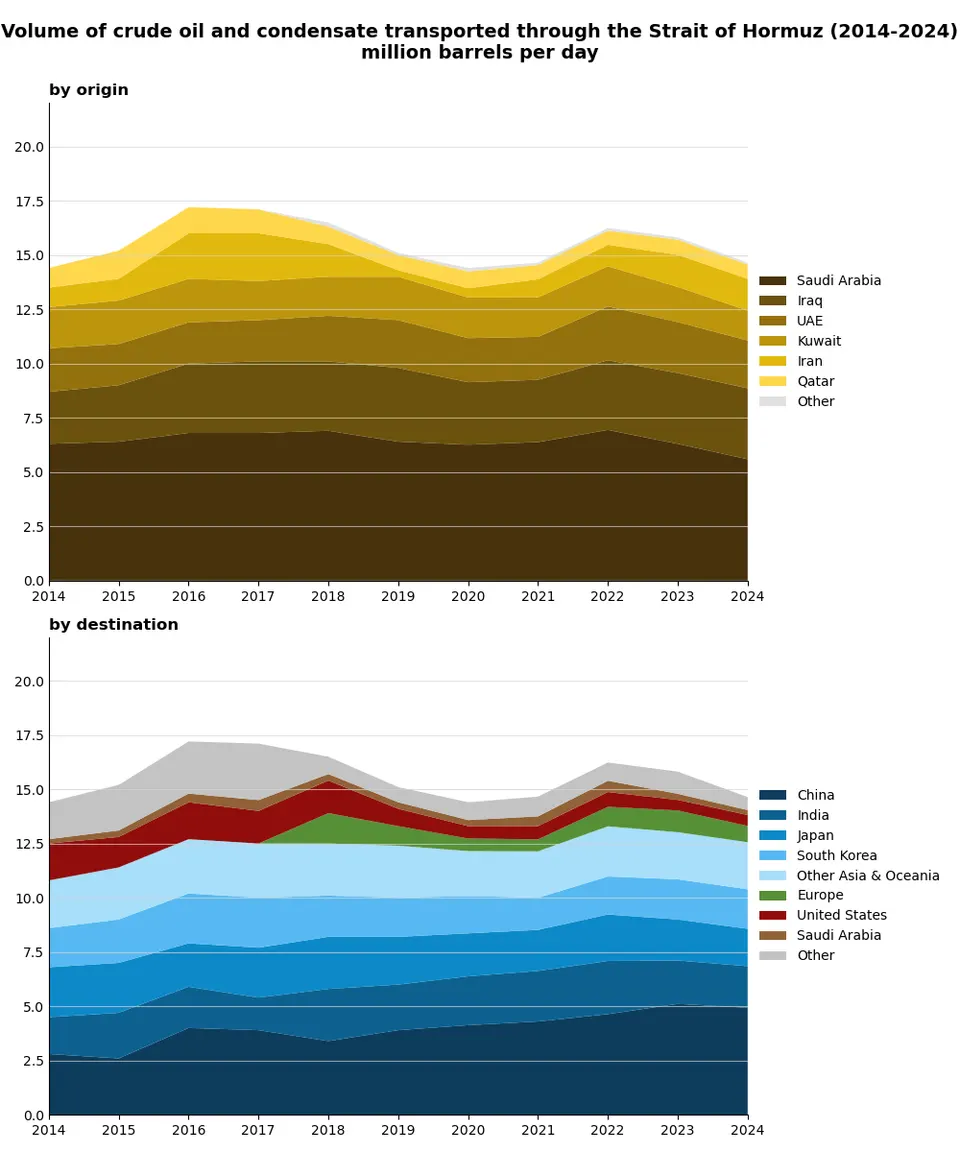
Ultimately, the real macro factor to watch is the Strait of Hormuz and the actual deployment of military assets. If the "strikes" Trump mentioned are limited, we may see a slight retracement. But if the MOU is truly dead and no new diplomatic channel emerges, 180,000 Toman per dollar will quickly transition from a ceiling to a floor. Investors should remain wary of high-volatility environments where the spread between buy and sell prices widens, as this often precedes a significant shift in market structure. This is an analysis of current trends, not financial advice; the risks of both sudden intervention and sudden escalation are equally high.
Frequently Asked Questions
Why did the USD/IRR exchange rate jump 2.2% today?
Is 180,000 Toman per Dollar a strong resistance level?
How does the Syrian energy deal affect the Iranian market?
Why is USDT trading higher than the physical USD rate in Tehran?
Understanding Currency Devaluation in Geopolitical Contexts
Currency devaluation refers to the official lowering of the value of a country's currency relative to other currencies, often measured against a major reserve currency like the US Dollar. While sometimes a deliberate policy choice by central banks to boost exports, devaluation can also be a symptom of deeper economic distress, particularly in nations facing significant geopolitical headwinds. When a currency "slides," it means its purchasing power abroad diminishes, making imports more expensive and eroding the wealth of its citizens in international terms.
In the context of headlines discussing geopolitical tensions and economic pressures, currency devaluation is frequently driven by a combination of factors. Political instability, such as the scrapping of a ceasefire or heightened military risks in strategic choke points like the Strait of Hormuz, creates immense uncertainty for investors and businesses. This uncertainty can lead to capital flight, where both foreign and domestic investors move their assets out of the country in search of safer havens, thereby reducing the demand for the local currency and putting downward pressure on its value.
Furthermore, economic sanctions play a critical role in accelerating currency devaluation. Sanctions restrict a country's ability to engage in international trade, particularly regarding vital exports like oil, which are often the primary source of foreign currency earnings. A reduction in foreign currency inflows, coupled with limited access to global financial markets, creates a severe shortage of hard currency within the domestic economy. This scarcity drives up the price of foreign currencies (like the USD) relative to the local currency (like the Toman), leading to a rapid and often uncontrolled devaluation.
Citizens, anticipating further drops in value, may then seek alternative stores of wealth, such as gold or stablecoins like USDT, further exacerbating the demand for foreign currency and weakening the local one. This cycle of geopolitical risk, sanctions, and economic uncertainty creates a challenging environment where the national currency struggles to maintain its value. Understanding these interconnected forces is crucial for comprehending the broader economic implications for both the affected nation and global markets.