
The ‘Retreat’ Rally: Why Emami Coins Are Bleeding While USDT Holds the Line
رالی «عقبنشینی»؛ چرا حباب سکه امامی تخلیه شد اما تتر همچنان پیشتازی میکند؟
As Iranian officials claim a strategic victory following recent regional escalations, the Tehran market is reacting with a significant cooldown in speculative assets. We analyze why physical gold coins are losing value three times faster than the dollar and why digital USDT remains the most expensive way to hedge against uncertainty.
At time of publishing
USD
176,300
Toman
Gold 18K
17.50M
Toman / gram
Bitcoin
$64,309
US Dollar
Tether
176,745
Toman
The Rhetoric of Victory and the Reality of the Rial
On Saturday evening, the atmosphere in Tehran’s markets felt like a collective exhale, though the air remains thick with state-driven narratives. A senior judicial official recently hailed the Iranian Armed Forces for what he termed a successful effort in forcing a "retreat" of U.S. and Israeli forces after forty days of heightened tension. This was bolstered by claims from the Caretaker Defense Minister, Brigadier General Majid Ebn al-Reza, who stated that Iran tripled its drone production output during the recent period of aggression. While the government focuses on projecting military strength and self-sufficiency, the market is busy pricing in the resulting geopolitical lull.
The Iranian Rial responded with a modest gain, as the USD sell rate slipped from 178,250 to 176,300 Toman, a 1.1% appreciation. For the average observer, this might look like a return to stability. However, the underlying data suggests a more complex shift in how Iranians are moving their money. The "war premium" that had been baked into prices is starting to evaporate, but it isn't leaving all assets equally. While the currency saw a slight recovery, the more speculative corners of the market—specifically gold coins—are facing a much harsher correction.
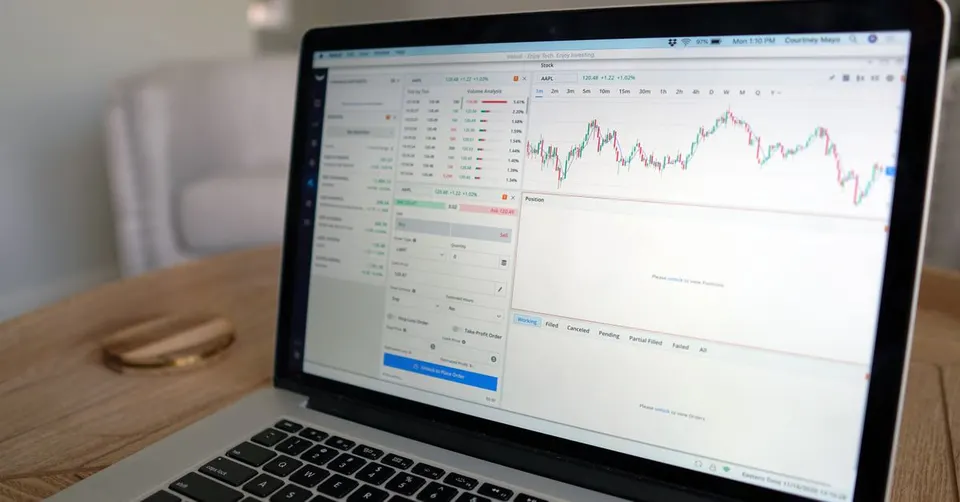
The Great Coin Deflation vs. Digital Dollars
The most striking figure from today's snapshot is the 3.0% plunge in the Emami gold coin, which fell to 176,000,000 Toman. Compare this to the 1.1% drop in the US dollar and the mere 0.5% dip in 18k gold per gram. Why the disparity? The Emami coin has long carried a massive "bubble"—a psychological premium paid for its extreme liquidity and ease of transport. When fear peaks, the bubble expands; when the state claims a "retreat" of enemies, that bubble is the first thing to pop. Investors who bought at the peak of the 40-day war rhetoric are now finding that the exit door for physical coins is narrower than they anticipated.
Meanwhile, Tether (USDT) tells a different story. Currently trading at 176,745 Toman, USDT is actually more expensive than physical cash USD (176,300). This "Tether Premium" is a classic indicator of capital flight anxiety. Even as the government touts military success, those with significant capital are willing to pay a premium for digital dollars that can be moved across borders instantly. It suggests that while the street price of the dollar is cooling, the demand for portable, censorship-resistant wealth remains higher than the demand for physical paper or gold.
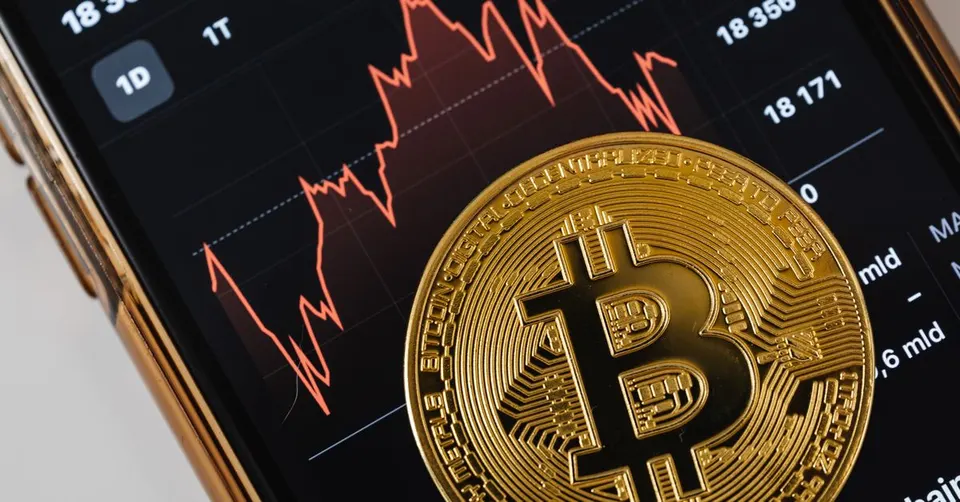
Global Anchors: Gold Ounces and Nuclear Shifts
While Tehran deals with its local dramas, the global backdrop provides a high floor for prices. Gold is hovering at a staggering $4,121.40 per ounce. This international strength prevents the local price of 18k gold from falling as sharply as the currency might suggest. For an Iranian saver, 18k gold remains a more stable, albeit less liquid, anchor than the Emami coin. It tracks the global market more faithfully and is less prone to the speculative frenzies that cause 3% swings in a single day.
Looking further afield, global markets are shifting toward long-term energy and tech plays, such as the debate over Small Modular Reactors (SMRs) in the nuclear sector, which some analysts view as a bargain buy under $10. This stands in stark contrast to the Iranian domestic investment landscape, which remains trapped between the volatility of defense-linked rhetoric and the safety of the dollar. As we move into the latter half of July 2026, the choice for the Iranian saver isn't just between gold and dollars, but between local physical assets that are subject to narrative-driven bubbles and digital assets that reflect a global demand for mobility.
Concept Diagram
Frequently Asked Questions
Why did the Emami coin drop more than the US dollar today?
Why is USDT more expensive than physical cash USD in Iran?
Is 18k gold a better investment than gold coins right now?
How does the claim of 'tripled drone production' affect the market?
Stablecoins: A Digital Anchor in Volatile Markets
In the dynamic world of cryptocurrencies, stablecoins stand out as a unique class of digital assets designed to minimize price volatility. Unlike speculative cryptocurrencies such as Bitcoin or the 'Emami coins' mentioned in the headline, stablecoins aim to maintain a stable value, often pegged 1:1 to a fiat currency like the US dollar, or backed by commodities such as gold. This peg is typically achieved by holding equivalent reserves of the underlying asset, providing a crucial bridge between the traditional financial system and the burgeoning crypto economy.
Stablecoins like Tether (USDT), which the headline notes is 'holding the line' in Iran, become particularly significant in economies facing high inflation, currency devaluation, or strict capital controls. For individuals and businesses in such regions, stablecoins offer a digital alternative to preserve purchasing power when the national currency, like the Iranian Rial, experiences significant volatility. They can facilitate cross-border transactions, bypass traditional banking restrictions, and provide a relatively stable store of value in an otherwise turbulent financial landscape.
While offering stability and accessibility, stablecoins are not without their complexities and risks. Their stability relies heavily on the transparency and solvency of the entities holding the reserves. Regulatory scrutiny is increasing globally, as concerns about reserve auditing, potential for illicit use, and systemic risks grow. However, for many, especially in markets where financial stability is elusive, stablecoins represent a vital tool for economic resilience, contrasting sharply with the speculative bubbles seen in other, less stable digital assets.