
UAE's Oil Boom: Impact on USD, Gold, and BTC Prices
رکورد تولید نفت امارات: تأثیر بر قیمت دلار، طلا و بیتکوین
The UAE's record oil production has sparked significant market reactions. From the USD's dip to gold's slight decline, with BTC holding steady, these shifts reflect broader economic tensions.
At time of publishing
USD
179,650
Toman
Gold 18K
17.63M
Toman / gram
Bitcoin
$63,886
US Dollar
Tether
178,704
Toman
Key figures
US Dollar
179,650
Iranian Toman
↓ 0.80% todayBitcoin
$63,886
US Dollar
What Actually Happened
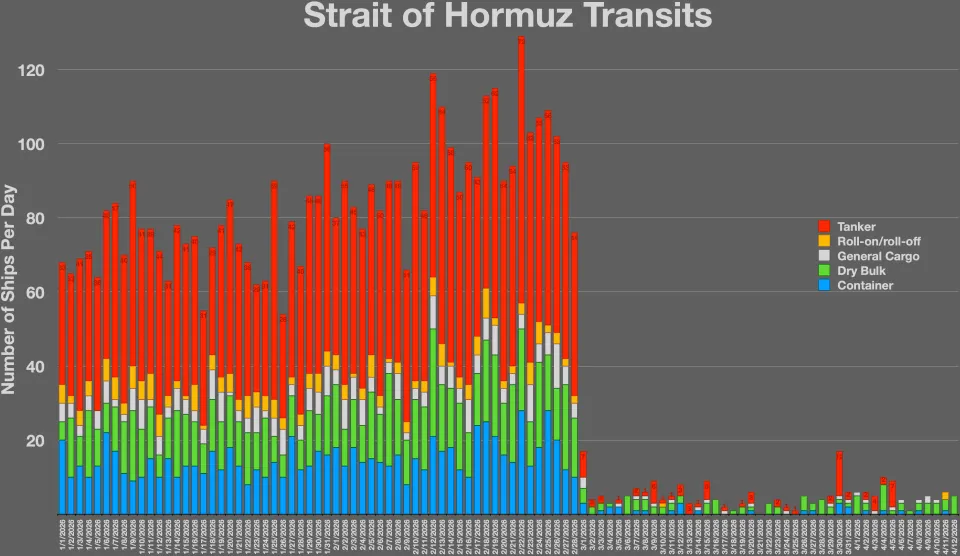
In a remarkable move, the United Arab Emirates (UAE) reached an all-time high in oil production by pumping 4.1 million barrels per day in June. This surge followed the UAE's exit from OPEC in May and was facilitated by geopolitical shifts in the region, including blockades in the Strait of Hormuz. With oil prices typically influencing global markets, this development has had a ripple effect on currencies and commodities worldwide. The USD/IRR saw a slight dip of 0.8% over the past 24 hours, landing at 179,650, while gold prices in Iran also decreased by 1.4%, reflecting broader global economic dynamics.

Why This Matters
The impact of the UAE's oil production boom is multi-faceted. On the bullish side, increased oil supply could dampen global oil prices, potentially easing inflationary pressures worldwide. Lower oil prices can benefit economies heavily reliant on oil imports, potentially strengthening their currencies relative to the USD. Furthermore, this shift could stabilize markets by reducing the cost of energy, which often feeds into broader economic confidence.
However, there is a bearish perspective to consider. The decrease in oil prices might lead to reduced revenues for oil-exporting countries, potentially weakening their currencies and impacting global trade balances. Additionally, the drop in USD/IRR, although minor, could signal market apprehensions about geopolitical stability in the region, particularly with ongoing tensions between the U.S. and Iran.
The Bigger Picture
From a broader perspective, the interplay between oil production, USD, gold, and Bitcoin reflects a complex web of economic and geopolitical factors. The stability of Bitcoin at around $63,886 suggests a cautious market sentiment amidst uncertainty. While gold saw a decline, which is often a safe-haven asset, this could indicate shifting investor priorities or a temporary focus on other commodities or currencies.
Looking forward, macroeconomic factors such as U.S. inflation rates, Federal Reserve policies, and regional geopolitical developments will likely continue to influence these markets. The intricate balance of supply, demand, and geopolitical maneuvering underscores the importance of staying informed and adaptable to market changes.
Ultimately, while the UAE's oil output sets a new benchmark, its broader implications will unfold as other global factors come into play. As such, maintaining a nuanced perspective on these markets is crucial as they navigate through this period of dynamic change.
Frequently Asked Questions
How has the UAE's oil production affected the USD/IRR rate?
Why did gold prices decrease despite geopolitical tensions?
Is Bitcoin's stability related to the UAE's oil production?
What are the potential long-term effects of increased oil supply?
How might geopolitical developments influence these markets?
Understanding the Petrodollar System: Oil, Currencies, and Global Stability
The headline about the UAE's oil boom and its impact on various assets like the USD, gold, and Bitcoin, especially amidst geopolitical tensions, points to a crucial concept in international finance: the Petrodollar System. This system describes the global financial arrangement where oil-exporting nations, particularly those in the Middle East, price their oil sales exclusively in U.S. dollars and then reinvest a significant portion of their surplus oil revenues into dollar-denominated assets, such as U.S. Treasury bonds.
This mechanism creates a constant, global demand for U.S. dollars. Countries needing to buy oil must first acquire dollars, thereby strengthening the dollar's position as the world's primary reserve currency. The reinvestment of petrodollars into U.S. financial markets provides a substantial source of liquidity, helping to keep interest rates lower in the U.S. than they might otherwise be and facilitating the financing of U.S. government debt. For oil-producing nations, this system offers a stable and liquid market for their vast wealth, often backed by the perceived security and depth of the U.S. financial system.
The implications of the petrodollar system extend to the prices of other assets. A strong U.S. dollar, bolstered by petrodollar demand, typically makes gold (which is priced in USD) more expensive for holders of other currencies, potentially diminishing its appeal as a safe haven. However, geopolitical tensions, which can both drive oil prices up and create uncertainty about global financial stability, might prompt investors to seek alternatives. In such scenarios, traditional safe havens like gold can see increased demand, and more recently, digital assets like Bitcoin are sometimes considered by some as a hedge against currency debasement or systemic risk, though its volatility remains a significant factor.
Therefore, a UAE oil boom translates into more petrodollars flowing into the global financial system, reinforcing the dollar's role. However, the interplay with geopolitical tensions can introduce complexities, affecting the relative attractiveness of the dollar versus alternative stores of value like gold and Bitcoin, as market participants weigh currency strength against broader economic and political uncertainties.