
Gold, USD, or USDT? Navigating Iran's Volatile Markets Amid Escalating Tensions
طلا، دلار یا تتر؟ ناوبری در بازارهای پرنوسان ایران در بحبوحه تشدید تنشها
As US-Iran tensions rekindle, Iranian investors face a complex dilemma: traditional safe havens like gold and the dollar are showing surprising dips, while digital alternatives like USDT hold a slight premium. This narrative explores the current market dynamics, offering insights into these assets as the region grapples with renewed conflict and global political shifts.
At time of publishing
USD
187,700
Toman
Gold 18K
18.24M
Toman / gram
Bitcoin
$64,486
US Dollar
Tether
187,879
Toman
In the face of rekindled US-Iran hostilities and a complex global geopolitical landscape, Iranian investors are grappling with critical decisions about where to safeguard their wealth. The market snapshot reveals a counterintuitive picture: while one might expect traditional safe havens like gold and the US dollar to surge amid conflict, both have shown declines. This divergence forces a deeper look into the perceived stability of various assets, from physical gold to the digital realm of USDT, as the region navigates renewed strike exchanges and diplomatic overtures.
The ongoing conflict, with the United States and Iran resuming strike exchanges over the vital Strait of Hormuz for a sixth day, as reported by France 24 [5], casts a long shadow over market sentiment. Despite calls for diplomacy, the escalation keeps investors on edge, yet the immediate market reaction for some assets has been unexpected. This intricate environment is further complicated by global political shifts, such as the UK's upcoming leadership, where Andy Burnham's potential premiership brings tough climate decisions [2] and questions about his financial policies, as claims emerge that appointing Mahmood as chancellor shows subservience to the City [13]. Such distant political developments, alongside protests in Ukrainian cities against the removal of their defense minister [12], contribute to a broader sense of global uncertainty that subtly influences risk appetite even in regional markets like Iran.
Amidst this backdrop, the US dollar, often considered a go-to asset during times of crisis, registered a slight dip, falling from 188,300 Toman to 187,700 Toman, a -0.3% change over 24 hours. This modest decline, despite the escalating US-Iran conflict, suggests that other factors might be at play or that a wait-and-see approach dominates, preventing a significant flight to the dollar. Investors might be weighing the immediate risks of holding physical currency against the backdrop of potential sanctions or difficulties in transactions, a persistent concern in Iran's economy. The interplay of regional conflict and broader global economic signals creates a nuanced demand profile for the greenback, defying simple assumptions.

Gold, the millennia-old store of value, also presented a mixed picture. While the 18k gold per gram saw a noticeable drop from 18,514,243 Toman to 18,237,222 Toman, a -1.5% decrease, the Emami coin remained flat at 185,000,000 Toman. This divergence between raw gold and coined gold highlights the specific market dynamics within Iran, where coins often carry a premium reflecting local demand, fabrication costs, and perceived scarcity. The stability of the Emami coin, contrasting with the dip in raw gold, suggests that domestic demand for established, tangible assets remains robust, perhaps reflecting a deeper trust in physical commodities during times of high uncertainty and geopolitical friction.
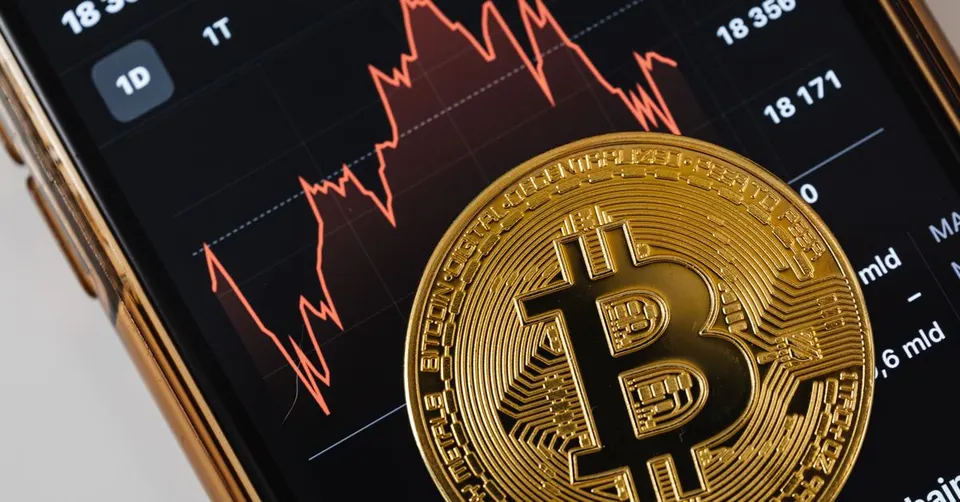
The digital frontier offers another alternative: USDT. Trading at 187,879 Toman, it holds a slight premium over the physical USD sell price of 187,700 Toman. This marginal difference underscores USDT's appeal as a readily accessible, digitally transferable asset, bypassing some of the logistical challenges and risks associated with holding large amounts of physical cash. The crypto market, while often volatile, continues to attract significant investment, as evidenced by crypto brokerage firm Alpaca raising $135 million for tokenized stock infrastructure [0]. However, even digital assets are not immune to global tensions; Bitcoin, for instance, has slipped to $64.2k as markets parse cooling rate jitters and Iran tensions [15], illustrating the interconnectedness of geopolitical events and crypto valuations. For Iranian investors, the decision to opt for USDT involves weighing its convenience and digital liquidity against the inherent risks of cryptocurrency volatility and the evolving regulatory landscape.
Ultimately, the choice between gold, USD, and USDT as a savings vehicle in Iran today is far from straightforward. Each asset presents its own set of advantages and vulnerabilities in an economy shaped by both domestic pressures and international headlines. The surprising market movements — a slight dip in USD and a more significant fall in 18k gold despite escalating tensions — challenge conventional wisdom. Meanwhile, the relative stability of the Emami coin and the slight premium on USDT reflect a complex interplay of local demand, digital convenience, and global risk perception. Investors must weigh these factors carefully, considering liquidity, accessibility, and the evolving geopolitical landscape that continues to define the value and security of their chosen assets.
Frequently Asked Questions
Why is the USD falling slightly despite escalating US-Iran tensions?
Is Emami coin a more reliable safe haven than 18k gold per gram during periods of conflict?
What are the specific risks and advantages of holding USDT compared to physical US dollars in Iran?
How do global political developments, such as UK leadership changes, indirectly affect Iranian financial markets?
Understanding Safe Haven Assets in Volatile Markets
In times of economic uncertainty, political instability, or market turmoil, investors often seek out what are known as safe haven assets. These are investments that are expected to retain or even increase in value during periods when other assets, such as stocks or real estate, are declining. The primary appeal of a safe haven asset is its perceived reliability and ability to protect wealth from erosion, making it a crucial concept for anyone navigating volatile financial landscapes, like those described in Iran's economy.
Traditionally, gold has been the quintessential safe haven. Its value is not directly tied to any single government or corporation, and it has been recognized as a store of value for millennia. Major reserve currencies, most notably the U.S. Dollar, also serve as safe havens due to their deep liquidity, global acceptance, and the stability of the issuing economy (or at least its perceived stability relative to others). When geopolitical tensions rise, or a country faces hyperinflation and currency depreciation, individuals frequently convert their local currency into these more stable alternatives to preserve their purchasing power.
More recently, certain cryptocurrencies, particularly stablecoins like USDT (Tether), have emerged as alternative safe havens in specific contexts. In economies facing severe sanctions, capital controls, or extreme currency devaluation, stablecoins pegged to the U.S. Dollar can offer a digital avenue for individuals to store value outside the traditional banking system. Their accessibility, ease of transfer across borders, and relative stability compared to highly inflationary local currencies make them attractive, despite the inherent risks associated with cryptocurrency markets and regulatory scrutiny.
However, it's important to understand that no asset is entirely risk-free, and the 'safe haven' status can be dynamic. Factors like global supply and demand, interest rate changes, and evolving geopolitical situations can all influence the performance of these assets. While they offer a degree of protection, investors must still exercise caution and consider the specific risks associated with each type of safe haven, whether it's the volatility of gold prices, the strength of the dollar against other currencies, or the regulatory uncertainties surrounding stablecoins.