
Infrastructure Warfare and the Liquidity Trap: Why USDT Commands a Premium Over Cash Today
جنگ زیرساختها و تله نقدینگی: چرا تتر امروز گرانتر از دلار نقدی معامله میشود؟
As the Toman records a modest 1.1% gain, a deeper divergence is emerging between physical cash and digital assets. We analyze why USDT is trading at a significant premium while gold and Bitcoin face global cooling trends.
At time of publishing
USD
265,800
Toman
Gold 18K
24.55M
Toman / gram
Bitcoin
$64,780
US Dollar
Tether
268,108
Toman
The Iranian market on Sunday, November 15, 2026, presents a fascinating paradox. While the USD sell rate dropped 1.1% to 265,800 Toman, the digital counterpart, USDT, is holding firm at 268,108 Toman. This gap of over 2,300 Toman per dollar isn't just a technical glitch; it is a 'liquidity premium' that reflects the current geopolitical climate. As Tehran pursues legal action over attacks on 410 points of its water infrastructure, the risk profile for physical assets is shifting. Investors are increasingly valuing the ability to move capital instantly across borders over the security of holding physical banknotes that might be difficult to exchange during localized disruptions.
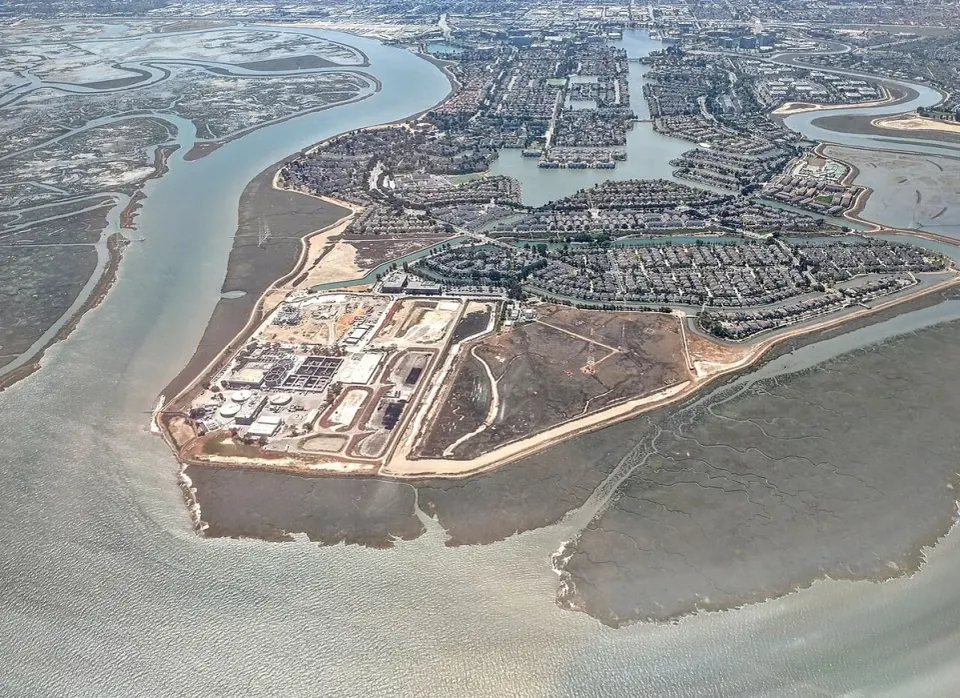
This infrastructure tension, reported by the National Water and Wastewater Engineering Company, highlights a new era of hybrid risks. When critical utilities like water or power are targeted, the psychological impact on the market is immediate. In such scenarios, physical gold—which fell 1.0% today to 24,550,994 Toman per gram—remains the ultimate 'offline' hedge. Gold requires no internet, no electricity, and no third-party permission to exist. However, its lack of portability compared to USDT makes it a secondary choice for those who fear they might need to liquidate and relocate quickly. The Emami coin, now at 251,000,000 Toman, reflects this cooling demand as buyers wait for a clearer signal on regional stability.
The Global Risk-Off Sentiment
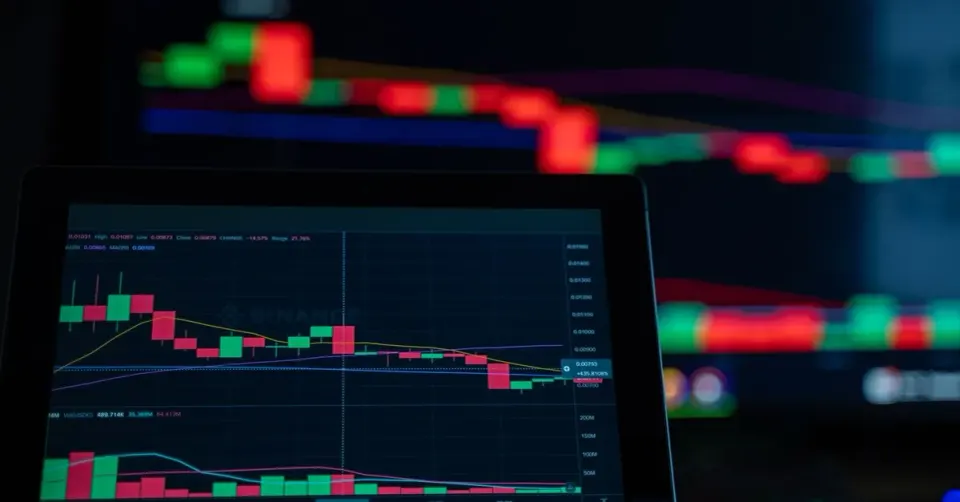
The local market isn't operating in a vacuum. Bitcoin has seen a massive $2.1 billion outflow from ETFs this November, with a seven-day losing streak bringing prices down toward $64,000. This global retreat from 'risk-on' assets suggests that institutional investors are bracing for a period of high volatility. For an Iranian saver, this creates a dilemma: Bitcoin offers the highest potential upside but currently faces the strongest global headwinds. If you are looking at a 2025-2026 horizon, the question isn't just about price, but about institutional support. The current outflows indicate that the 'smart money' is moving back to cash or short-term bonds, leaving retail holders to carry the volatility.
Interestingly, we can see parallels in other sectors of global geopolitics. The recent revelation that gender-diverse Australian sailors are being barred from US nuclear submarines due to US directives highlights how 'sovereignty' is often an illusion in integrated systems. Just as the Australian navy must comply with US social and military policies to access technology, Iranian crypto users must navigate the reality that their digital assets are often tied to global platforms that can be influenced by external sanctions or policy shifts. This makes the choice between a global asset like BTC and a local physical asset like 18k gold a choice between two different types of vulnerability.
Making the Choice: Liquidity vs. Sovereignty
For those managing family wealth, the narrative of 'Poundland' in the UK serves as a cautionary tale. The discount chain is currently relying on emergency funds from US owners to restock basic goods like tea and noodles. This 'Operation Gloria' shows that even large entities can face sudden liquidity crises when their parent companies or supply chains are disrupted. For an Iranian household, the 'parent company' is the national economy, and the 'restock' is your ability to maintain purchasing power. If you hold only physical Toman or even physical USD, you are betting on the stability of local exchange networks. If you hold USDT, you are paying a premium for a bridge to the global economy.
Ultimately, the data from Sunday, November 15, 2026, suggests a split strategy. Gold's 1% dip offers a slightly better entry point for long-term preservation, while the USDT premium suggests that the market is currently overpaying for the 'exit button.' If your concern is the survival of the domestic infrastructure, gold is your anchor. If your concern is the ability to react to a sudden geopolitical shift, USDT—even at a premium—is the engine. Balancing these two is no longer just a financial strategy; it is a survival necessity in an age of infrastructure warfare.
Concept Diagram
Frequently Asked Questions
Why is USDT more expensive than cash USD in Iran today?
Is 18k gold a better investment than Bitcoin right now?
How do infrastructure attacks affect the currency market?
Should I sell my Emami coins to buy USDT?
The Premium of Digital Stablecoins in Sanctioned Economies
Digital stablecoins like Tether (USDT) are designed to maintain a stable value, typically pegged 1:1 to a fiat currency like the US Dollar. However, in certain economies, particularly those facing severe sanctions and high inflation, these digital assets often trade at a significant premium over their intended peg. This means a single USDT might be valued considerably higher than one US Dollar, whether compared to the local currency's official exchange rate or even physical US cash. This phenomenon is not a market anomaly but a clear signal of underlying economic distress and the unique dynamics of these markets.
The primary drivers behind this premium are a combination of stringent capital controls, international sanctions, and rampant domestic inflation. Capital controls and sanctions severely restrict the legal and official channels through which individuals and businesses can access foreign currency, especially the US Dollar. This creates an artificial scarcity of USD within the country. Simultaneously, high inflation rapidly erodes the purchasing power of the local currency, such as the Iranian Toman, compelling people to seek more stable alternatives to preserve their wealth.
In this environment, digital stablecoins emerge as a crucial workaround. They offer a relatively accessible and often anonymous means to hold and transfer value, bypassing traditional financial institutions that are either heavily regulated, sanctioned, or mistrusted. For individuals, stablecoins provide a hedge against currency depreciation and a way to conduct cross-border transactions without relying on the official banking system. For businesses, they can facilitate trade where traditional payment rails are blocked, albeit with increased risk.
Ultimately, the persistent premium on digital stablecoins in economies like Iran serves as a stark indicator of financial repression and a profound lack of trust in the local financial system. While these digital assets offer a lifeline for many seeking financial stability, their use in parallel markets also carries inherent risks, including price volatility, regulatory uncertainty, and potential exposure to illicit activities. This premium underscores the ingenuity of markets in adapting to severe constraints, but also highlights the desperate search for reliable value storage in challenging economic landscapes.