Tehran’s Response to US Peace Plan Triggers 0.4% USD Dip as Geopolitical Chess Intensifies
پاسخ تهران به طرح صلح آمریکا و افت ۰.۴ درصدی دلار: شطرنج ژئوپلیتیک در بازار شبانه
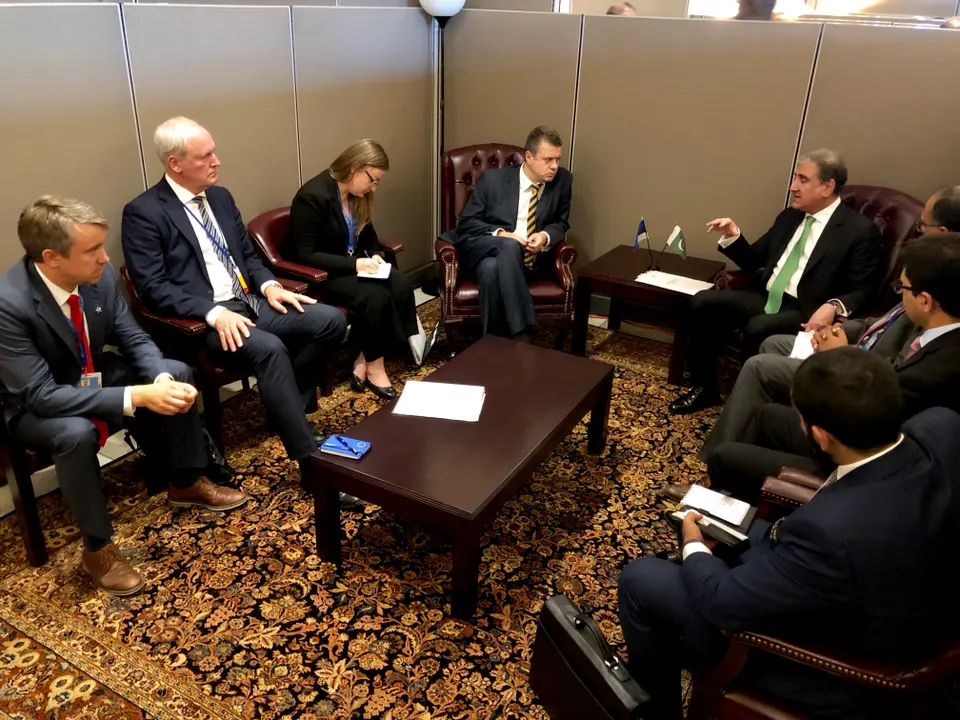
Iran has officially submitted its response to a US peace proposal via Pakistani mediators, causing a slight relief rally in the Toman. While the USD slipped to 176,200, the regional climate remains volatile with drone strikes in the Gulf and stern warnings regarding the Strait of Hormuz.
At time of publishing
USD
176,200
Toman
Gold 18K
20.11M
Toman / gram
Bitcoin
$81,383
US Dollar
Tether
17,628
Toman
The Peace Proposal and the Market's Breath
In a day defined by high-stakes diplomacy, the Iranian market saw a rare moment of consolidation. Following reports that Tehran has officially delivered its response to a United States peace proposal through Pakistani intermediaries, the domestic currency experienced a slight cooling effect. The US Dollar moved from 176,900 to 176,200 Toman, marking a 0.4% decrease. This move suggests that traders are cautiously pricing in a potential de-escalation, even as Israeli Prime Minister Benjamin Netanyahu warned that the conflict is far from over as long as Iran maintains its uranium stockpiles. The delivery of the response via Islamabad adds a layer of formal diplomatic weight to the proceedings, providing a temporary ceiling for the currency's recent rally.
However, this dip should not be mistaken for a trend reversal. The market remains incredibly sensitive to the 'fine print' of this response. For the everyday Iranian, this 0.4% fluctuation represents a pause in the inflationary pressure that has dominated the month. Gold prices followed a similar trajectory, with 18k gold moving from 20,192,067 to 20,112,424 Toman (-0.4%), and the Emami coin dropping from 195,500,000 to 194,500,000 Toman (-0.5%). These synchronized movements reflect a market that is holding its breath, waiting to see if Washington views Tehran’s terms as a basis for a genuine truce or merely another tactical delay.
The Strait of Hormuz and the Energy Jugular
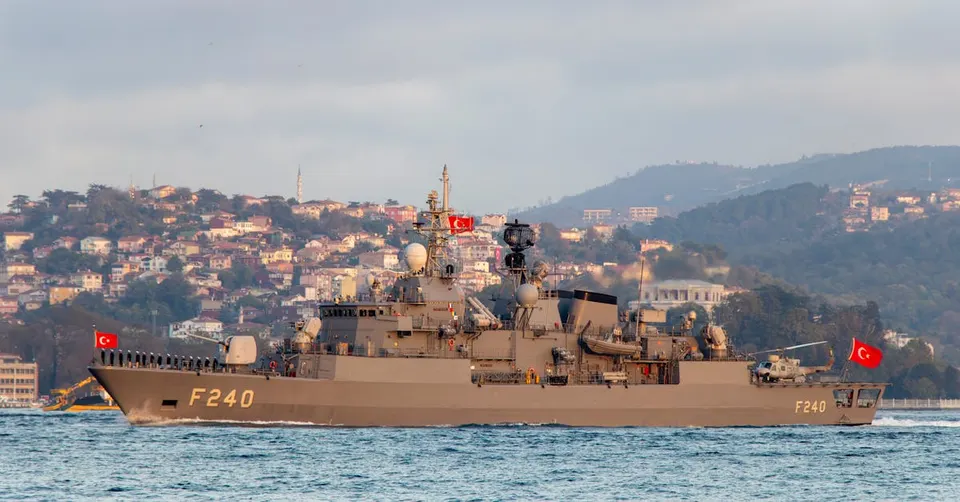
While diplomacy takes center stage in Islamabad, the rhetoric in the Persian Gulf remains sharp and uncompromising. Deputy Foreign Minister Kazem Gharibabadi issued a stern warning to France and Britain against deploying warships to the Strait of Hormuz. This geopolitical friction is more than just talk; it is a direct influence on the 'risk premium' embedded in the Toman's exchange rate. Iran’s insistence that regional security must be maintained without extra-regional interference serves as a reminder that the world’s most critical energy chokepoint remains a volatile variable. For investors, any sign of naval friction usually translates into an immediate spike in the price of the 'Tehran Dollar' (USDT) and gold.
This regional tension is mirrored in the global energy landscape. Reports of Ukrainian drones reaching deep into Russia’s oil heartland—specifically the Leningrad Oblast—have kept global oil markets on edge. When Russian refineries and export terminals on the Gulf of Finland are targeted, the global supply chain tightens, which indirectly supports the Iranian government's oil revenue expectations but also fuels global inflation. The interconnectedness of these drone wars—from the Gulf of Finland to the Persian Gulf—creates a complex web for the Iranian consumer, where regional stability is often at odds with global commodity cycles.
Tech Catalysts and the Crypto Safe Haven
Beyond the immediate geopolitical horizon, the global financial world is bracing for Nvidia’s upcoming earnings report. Goldman Sachs has identified this as a major market catalyst, and its ripple effects are felt even in Tehran’s tech-savvy trading circles. As traditional markets grapple with interest rate uncertainty, Bitcoin has shown remarkable resilience, holding steady at $81,383. For many Iranians, crypto remains the ultimate hedge against both domestic currency devaluation and regional instability. The fact that Bitcoin avoided a significant weekend drop despite the 'war is not over' rhetoric from Israel suggests a growing maturity in the asset class as a digital gold.
As we look toward tomorrow's opening session, the focus will remain on the international reaction to Iran's diplomatic response. Foreign Minister Abbas Araghchi’s recent push for broader ties with Vietnam also signals a strategic pivot toward diversifying trade partners in the East, potentially easing the long-term impact of Western sanctions. For the practical observer, the takeaway is clear: the market is currently in a 'wait-and-see' mode. The slight dip in the USD and Gold prices today offers a window of liquidity, but with drone strikes reported across the region and naval warnings intensifying, the volatility is likely to return before the week is out.

Frequently Asked Questions
Why did the USD price decrease despite regional drone strikes?
What is the significance of the Strait of Hormuz warnings for investors?
How do Nvidia's earnings affect the Iranian crypto market?
Understanding Geopolitical Risk and its Impact on Global Markets
Geopolitical risk refers to the potential for political events, decisions, or instability in a region to significantly impact global economic stability, financial markets, and international trade. These risks can stem from a wide array of sources, including interstate conflicts, civil wars, terrorism, sanctions, trade disputes, and major policy shifts by influential nations. Unlike conventional economic risks that might arise from interest rate changes or inflation, geopolitical risks are often unpredictable, rapid in their onset, and can have far-reaching, systemic consequences across various sectors.
One of the most potent examples of a geopolitical flashpoint is the Strait of Hormuz, a narrow sea lane separating the Persian Gulf from the Gulf of Oman. This strategic chokepoint is critical for global energy markets, as a significant portion of the world's seaborne oil and liquefied natural gas (LNG) transits through it daily. Any threat of disruption or blockade in the Strait of Hormuz, as suggested by the keywords, immediately triggers concerns about global oil supply, leading to potential price spikes and economic instability worldwide. Such events highlight how regional political tensions can have global economic ramifications.
The impact of geopolitical risk extends directly to currency markets. When tensions rise, investors often seek "safe-haven" currencies like the US Dollar, leading to its appreciation. Conversely, a perceived de-escalation of conflict or a shift in geopolitical dynamics, as indicated by "Tehran’s Response to US Peace Plan" causing a "USD Dip," can lead to a depreciation of the dollar if its safe-haven appeal diminishes or if the event is interpreted as negatively impacting the US's economic outlook. Such fluctuations underscore how quickly investor sentiment and currency valuations can react to international political developments, affecting everything from import costs to investment returns.
Beyond currencies, geopolitical risks profoundly influence stock markets, commodity prices, and global supply chains. Businesses face increased uncertainty, potentially delaying investment decisions and impacting profitability. Understanding geopolitical risk is therefore crucial for investors, policymakers, and anyone seeking to comprehend the complex interplay between international politics and the global economy. It's a constant reminder that the world's financial health is inextricably linked to its political landscape.