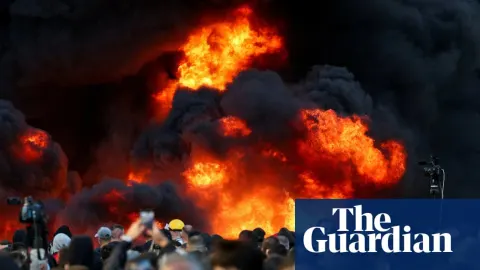
Warsh’s Fed Entry and the $29B War Bill: Why Tehran’s Markets Are Catching a Breather
ورود «وارش» به فدرال رزرو و فاکتور ۲۹ میلیارد دلاری جنگ؛ چرا بازار تهران نفس تازه کرد؟
Despite a staggering $29 billion price tag for the regional conflict and new friction in the Persian Gulf, the Toman and gold saw a slight correction tonight. We analyze how Kevin Warsh’s confirmation to the Fed and the 'uncertainty tax' are shaping your purchasing power.
At time of publishing
USD
180,700
Toman
Gold 18K
20.47M
Toman / gram
Bitcoin
$80,403
US Dollar
Tether
18,098.4
Toman
The Evening Correction: Numbers Behind the Calm
As the sun sets on Tuesday, May 12, 2026, the Iranian markets have shown a rare moment of technical retreat. After days of relentless pressure, the USD/IRR moved from 181,800 to 180,700, marking a 0.6% decline. While a few hundred Tomans might seem negligible in the face of triple-digit exchange rates, this shift signals a 'wait-and-see' approach from major market makers. The gold sector felt this cooling even more acutely; 18k gold dropped from 20,757,883 to 20,467,011 Toman per gram (-1.4%), and the benchmark Emami coin followed suit, sliding from 200,000,000 to 197,000,000 Toman (-1.5%).
This cooling isn't necessarily a sign of peace, but rather a digestion of recent shocks. Investors are currently grappling with the 'uncertainty tax'—a concept where the cost of not knowing the future becomes more expensive than the actual inflation itself. When uncertainty remains high, liquidity tends to freeze, and we see these minor pullbacks as traders move to the sidelines. For the average Iranian household, this means a temporary window of stability, but one that rests on the fragile scaffolding of international headlines and regional security reports.
The 'Warsh' Factor and the Global Liquidity Shift
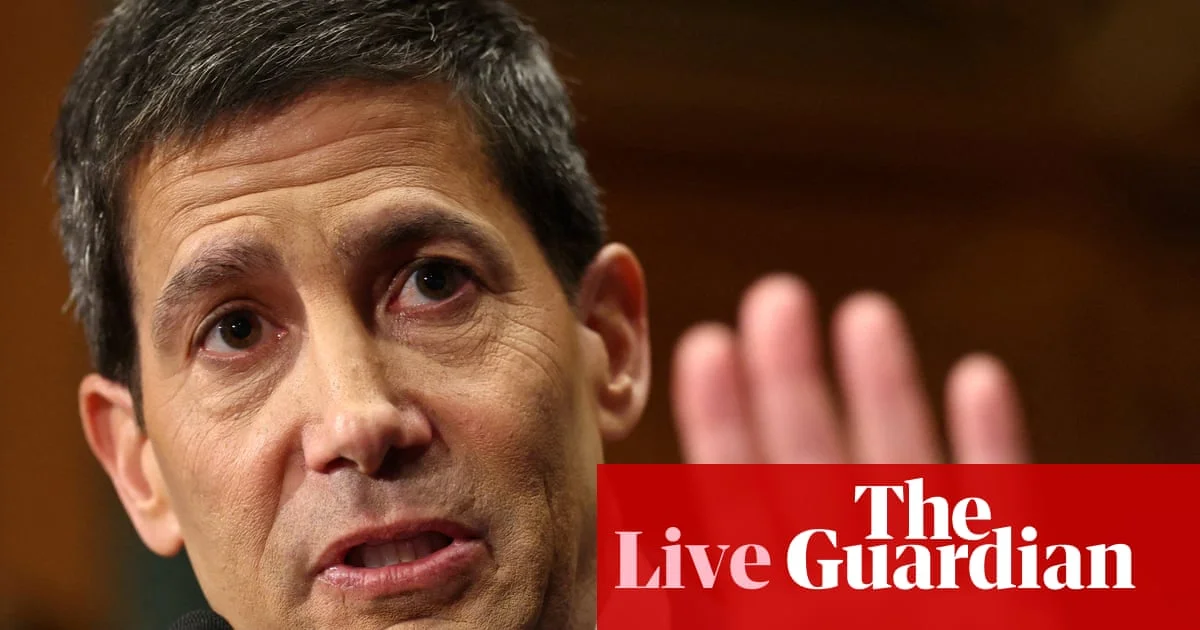
While Tehran was trading, the US Senate confirmed Kevin Warsh to a 14-year term as a Federal Reserve governor, with a likely promotion to Chair on the horizon. Why does a central banker in Washington matter to a gold buyer in Tabriz? Warsh is widely viewed as a crypto-linked investor and a hawk on traditional inflation. His entry suggests a potential shift toward tighter monetary policy but a more structured approach to digital assets like Bitcoin, which currently sits at $80,403. His confirmation comes at a critical time as the Pentagon reveals the staggering cost of regional operations: the war bill has surged from $25 billion to $29 billion in just two months.
This massive expenditure by the US military acts as a double-edged sword. On one hand, it confirms the intensity of the conflict near Iran's borders; on the other, it puts immense pressure on the US dollar's global standing as fiscal deficits widen. If Warsh pursues a policy that strengthens the USD globally, we could see further pressure on the Toman. However, his perceived openness to digital assets provides a glimmer of hope for Iranian tech-investors looking for alternatives to the traditional banking system which remains under the shadow of sanctions and conflict-driven volatility.

Geopolitical Friction vs. Industrial Resilience
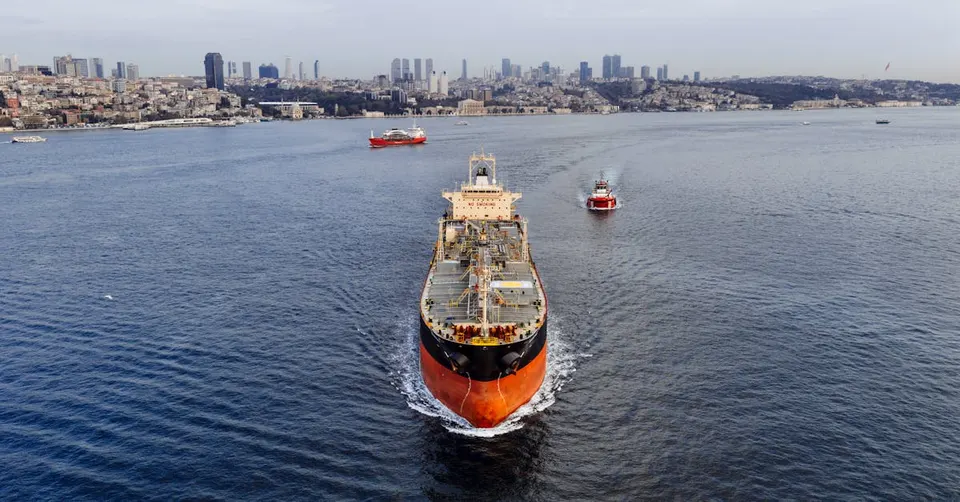
On the regional front, the situation remains precarious. Reports of a 'secret attack' by the UAE on Iranian interests and the capture of IRGC members near Kuwait's Bubiyan Island have added layers of complexity to the 'precarious ceasefire' mentioned by global observers. These events usually trigger a flight to safety, yet we are seeing a divergence in markets. For instance, while oil prices remain high with Brent crude near $110, industrial metals like copper are nearing record highs at $13,643 a ton. Traders are beginning to 'tune out' the noise of political rejections, focusing instead on a brutal supply crunch that transcends the war narrative.
Even as tensions flare, the global energy map is shifting. Suriname is finally preparing for its offshore oil boom, which could eventually provide an alternative to Gulf supplies, though not in the immediate term. For Iranians, the takeaway is clear: the market is currently driven by a mix of local exhaustion and global structural changes. While the 24-hour delta shows a slight decrease in prices, the underlying 'uncertainty tax' remains. The practical move for tonight? Don't confuse a technical correction with a trend reversal. The fundamental drivers—geopolitical risk and US fiscal policy—remain as volatile as ever.
Frequently Asked Questions
Why did the USD and Gold prices drop despite regional tensions?
Who is Kevin Warsh and why does his Fed confirmation matter for Iran?
What is the significance of the $29 billion war bill mentioned by the Pentagon?
Understanding Geopolitical Risk and Its Impact on Financial Markets
Geopolitical risk refers to the potential for political instability, conflicts, or international tensions to disrupt global affairs and, consequently, financial markets. This concept is crucial for understanding why events like the mention of a '$29B war bill' or 'Strait of Hormuz tension' can send ripples through economies, from major global players to local markets like Tehran. Such risks aren't merely theoretical; they translate directly into tangible economic consequences, influencing everything from commodity prices to currency exchange rates and investor confidence.
The mechanisms through which geopolitical risk impacts markets are multifaceted. For instance, tensions in critical shipping lanes like the Strait of Hormuz can threaten oil supply, leading to price spikes that affect global inflation and economic growth. Similarly, the prospect of increased government spending on defense, as implied by a 'war bill,' can strain national budgets, potentially leading to higher taxes, increased borrowing, or inflation, which in turn impacts local asset prices like the 'Emami coin' or the 'USD/IRR price'. Investors, seeking safety amidst uncertainty, often flock to traditional safe-haven assets such as gold, explaining why 'gold price Iran' is a closely watched indicator during times of regional unrest.
Beyond direct conflict, geopolitical risks also encompass shifts in international relations, trade policies, and the actions of major central banks. For example, the potential entry of figures like Kevin Warsh to the Federal Reserve implies changes in global monetary policy, which can influence capital flows and investor sentiment even in distant markets. A 'Suriname oil boom' might seem geographically remote, but its impact on global oil supply can indirectly affect the strategic importance and pricing dynamics of oil from other regions, including those impacted by geopolitical tensions. These interconnections highlight how local market 'breathers' are often temporary and contingent on a complex web of global and regional developments.
Ultimately, geopolitical risk introduces significant uncertainty into economic forecasting and investment decisions. It underscores the reality that financial markets are not isolated from political realities. Understanding this intricate relationship allows individuals and institutions to better anticipate market movements, assess potential threats, and recognize opportunities that arise from the ever-changing global geopolitical landscape.