Toman Recovers as Trump Meets Xi in Beijing: Navigating Volatility Between Earthquakes and Hormuz Blockades
عقبنشینی معنادار دلار در شب زلزله تهران؛ ترامپ در پکن و نبض تند بازار در تنگه هرمز
The Iranian Toman gained 0.9% against the USD today, defying the psychological stress of a midnight earthquake in Tehran and soaring global energy costs. As President Trump lands in Beijing to discuss trade and the 'unauthorized' war in Iran, the market is pricing in a complex mix of regional risk and global diplomacy.
At time of publishing
USD
179,600
Toman
Gold 18K
20.41M
Toman / gram
Bitcoin
$79,298
US Dollar
Tether
17,990
Toman
A Night of Tremors and Toman Resilience
Tehran residents experienced a literal and metaphorical shaking last night as a moderate earthquake rattled the capital around midnight. This seismic event occurred against a backdrop of extreme geopolitical tension, with the ongoing conflict and blockades in the Strait of Hormuz already pushing nerves to the breaking point. Despite the physical and psychological strain, the Iranian Toman showed unexpected strength in the 21:00 session. The US Dollar moved from 181,200 to 179,600 Toman, marking a 0.9% decline in the greenback's value over the last 24 hours. For everyday Iranians, this minor appreciation provides a brief moment of relief, though the underlying causes—ranging from central bank intervention to a temporary exhaustion of buyers—remain subjects of intense debate in the Ferdowsi markets.
Historically, physical disasters like earthquakes in the capital lead to immediate panic-buying of hard currency. However, today’s data suggests that the market may be more focused on the macro-diplomatic front than local environmental shocks. Gold prices followed the currency's lead, with 18k gold dropping from 20,475,091 to 20,413,915 Toman per gram. The Emami coin also retreated slightly by 0.5%, closing at 196,000,000 Toman. This suggests that while the ground beneath Tehran is shaky, the speculative floor for the Toman is holding firm for now, perhaps anticipating the outcome of high-stakes international meetings currently taking place in Asia.

---
The Beijing Summit: Trump, Xi, and the Shadow of War
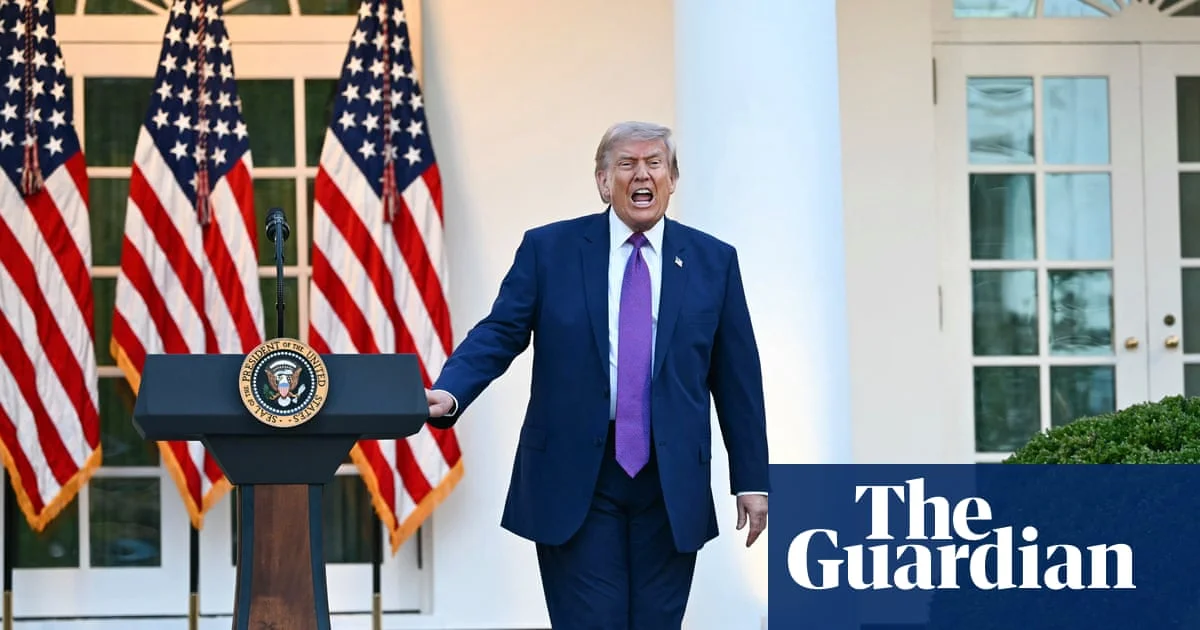
While Tehran dealt with its tremors, the eyes of the financial world shifted to Beijing. President Donald Trump has arrived in China for talks with Xi Jinping, where the 'unauthorized war' in Iran and the subsequent blockages in the Strait of Hormuz are at the top of the agenda. Reports indicate that global gas prices are soaring as a direct result of these maritime disruptions. Trump’s characteristic late-night social media activity has highlighted the volatility of the situation, blending domestic American politics with global security concerns. For Iran, this summit is existential; any deal between Washington and Beijing regarding energy corridors or sanctions enforcement will immediately ripple through the local exchange rate.
Senior Iranian military commanders have remained defiant, stating that any potential defeat of US interests in the region will be 'recorded in history.' This rhetoric, while expected, adds a layer of risk premium to the market. Investors are currently weighing the possibility of a diplomatic breakthrough in Beijing against the reality of a prolonged energy crisis. The fact that overseas flights are now costing upwards of $1,000 is a practical indicator of how the war is inflating costs for the Iranian middle class. The dilemma of whether to buy tickets now or wait for a post-conflict de-escalation is a conversation happening in every household, reflecting the deep uncertainty about the summer months ahead.

---
Crypto Scandals and the Global Inflation Outlook
In the digital asset space, Bitcoin remains relatively stable near the $79,298 mark, but the industry is facing new scrutiny in the West. Nigel Farage, the Reform UK leader, is currently facing a parliamentary probe over a £5 million gift from a crypto billionaire. This story matters to Iranian crypto traders because it signals a tightening regulatory environment in the UK and Europe, which often precedes global shifts in liquidity. If major political figures are being investigated for crypto-linked donations, we can expect more 'know your customer' (KYC) pressures on global exchanges, potentially making it harder for Iranians to access international liquidity pools.
Closer to home, the 'dark recesses' of the global economy are showing signs of a secondary inflation wave. While some analysts hope for a cooling period, price pressures are bubbling up, suggesting that the 6% inflation mark for major economies might not be out of reach. For the Iranian investor, this is a double-edged sword. While it keeps the price of hard assets like gold and Bitcoin high, it also means that the cost of imported goods will continue to rise regardless of the Toman's local performance. The practical takeaway is clear: the current dip in the USD/IRR rate should be viewed as a window for portfolio rebalancing rather than a permanent trend. With the Strait of Hormuz still a flashpoint, the 'peace dividend' has yet to be earned.
Frequently Asked Questions
Why did the Toman strengthen despite the earthquake in Tehran?
How is the Strait of Hormuz conflict affecting global gas prices?
Is the current dip in gold and currency prices a buying opportunity?
Understanding Exchange Rate Volatility: Beyond Economic Fundamentals
Exchange rates, representing the value of one currency relative to another, are rarely static. For currencies like the Iranian Toman, their value can be particularly susceptible to rapid and significant fluctuations, a phenomenon known as exchange rate volatility. While often seen through the lens of pure economic fundamentals, a currency's trajectory is, in reality, a complex interplay of domestic economic health, geopolitical events, and even unforeseen natural disasters.
Traditionally, economic factors such as inflation rates, interest rate differentials, trade balances, and economic growth are considered primary drivers of exchange rates. A country with lower inflation and higher interest rates, for instance, might see its currency strengthen as it attracts foreign investment seeking better returns. Similarly, a healthy trade surplus indicates strong demand for a country's goods and services, which translates to demand for its currency, thus bolstering its value.
However, in many economies, especially those with significant geopolitical exposure, non-economic factors often play an equally, if not more, dominant role. Geopolitical tensions, such as international sanctions, trade disputes (like a US-China summit), or regional conflicts (e.g., potential blockades in the Strait of Hormuz), can drastically alter investor confidence and trade prospects. Such events introduce uncertainty, leading to capital flight, reduced foreign investment, and a subsequent weakening of the domestic currency, irrespective of underlying economic strengths.
Furthermore, domestic shocks, whether political instability or natural catastrophes like a major earthquake, can also trigger significant exchange rate movements. Earthquakes, for example, can devastate infrastructure, disrupt supply chains, and necessitate massive reconstruction efforts, all of which can strain public finances and deter investment. The perceived risk associated with such events can cause a rapid devaluation as investors price in the increased uncertainty and potential economic fallout.
Ultimately, understanding a currency's behavior requires a holistic approach that goes beyond conventional economic indicators. For currencies navigating complex environments, factors like diplomatic breakthroughs, regional security, and resilience to natural disasters are just as crucial as inflation figures or GDP growth. This intricate web of influences makes predicting exchange rate movements a challenging but essential task for policymakers, businesses, and individuals alike.