Rubio's 'Hormuz First' Demand Rocks Tehran: Toman and Gold Retreat as Diplomatic Stakes Peak
اولتیماتوم رابیو برای بازگشایی هرمز؛ عقبنشینی دلار و سکه در پایان معاملات سهشنبه
US Secretary of State Marco Rubio has set the reopening of the Strait of Hormuz as the non-negotiable first step for talks, sending the Toman into a slight retreat. Meanwhile, the Emami coin saw a sharp 2.1% correction as the market weighs geopolitical threats against a cooling global gold rally.
At time of publishing
USD
173,700
Toman
Gold 18K
18.86M
Toman / gram
Bitcoin
$67,539
US Dollar
Tether
173,397
Toman
The Hormuz Ultimatum: Rubio Sets the Bar
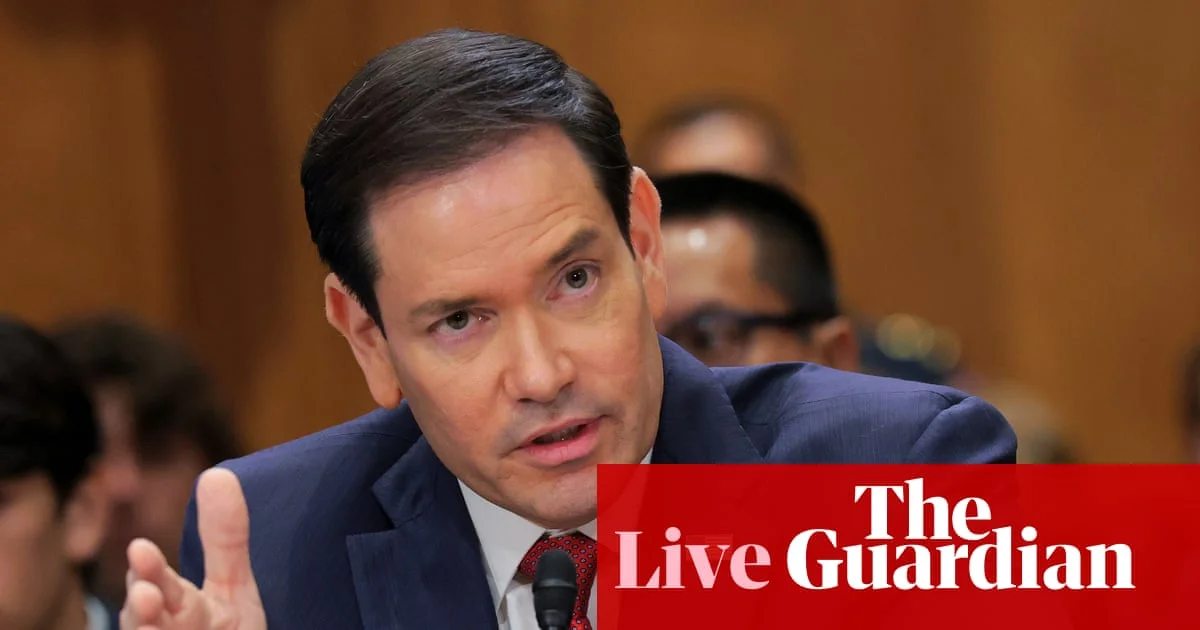
The geopolitical temperature in Tehran reached a boiling point this Tuesday evening as US Secretary of State Marco Rubio delivered a blunt message to the Senate Foreign Relations Committee. Rubio stated unequivocally that the reopening of the Strait of Hormuz is the "first condition" for any meaningful engagement with the Iranian administration. This comes at a critical juncture where Tehran has simultaneously signaled a halt to peace talks, declaring its intent to maintain a maritime siege. For the everyday Iranian, this isn't just a headline—it is a direct threat to the supply chains that keep the economy breathing. The market responded with a cautious pause; the USD sell rate moved from 174,300 to 173,700 Toman, a slight decrease of 0.3%.
This minor dip in the dollar reflects a market that is currently "priced for perfection" or perhaps paralyzed by the sheer scale of the risk. While Rubio claims a deal is within reach, the rhetoric from Tehran suggests a deepening of the "Super-Squeeze" strategy. If the Strait remains a theater of military posturing, the cost of importing essential goods will continue to climb, regardless of where the nominal exchange rate sits. Investors are currently caught between the fear of a full-scale conflict and the hope that this high-stakes brinkmanship will eventually lead to a diplomatic breakthrough. For now, the Toman remains remarkably resilient, but the underlying volatility is palpable.
---
Gold and Coin: The Emami Correction
While the currency market showed minor movements, the gold and coin sector witnessed a more pronounced shift. The Emami coin, often a barometer for local sentiment and speculative heat, dropped from 187,000,000 to 183,000,000 Toman, marking a significant 2.1% decline in just 24 hours. This correction suggests that the recent "war premium" added to gold coins might be deflating as traders take profits. Global gold prices also showed signs of exhaustion, trading at $4,484.30 per ounce. Despite the ongoing Middle East crisis, headlines regarding potential ceasefires in Lebanon have introduced a "seesaw" effect, where any hint of peace leads to immediate selling pressure on safe-haven assets.
It is essential to understand that the drop in Emami coins is nearly four times the magnitude of the drop in 18k gold (which fell 0.6% to 18,855,902 Toman per gram). This discrepancy highlights the "bubble" nature of the coin market in Tehran. When geopolitical tension is high, the premium on coins expands; when the news cycle turns even slightly less aggressive, that premium is the first to evaporate. Iranian households using gold as a hedge should note that while the intrinsic value of gold remains high, the speculative markup on minted coins is currently a high-risk game. Diversifying into USDT or physical 18k gold may offer a more stable path during these fluctuations.

---
The Global Macro Shadow: S&P 500 and Fertilizer Crises
Beyond our borders, the global economy is sending mixed signals that will eventually wash up on Iran's shores. The S&P 500 has risen at a pace seen only four times since WWII, a historic rally that some analysts fear precedes a major crash. If Wall Street faces a correction, the ripple effects will hit the crypto market and gold, potentially dragging Bitcoin (currently at $67,539) down with it. Furthermore, the ongoing conflict is jacking up global fertilizer prices, a development that will inevitably increase food inflation in Iran. Farmers worldwide are being forced to make "tough calls" that could lead to lower crop yields and higher prices at the grocery store by late 2026.
Amidst the talk of war and markets, a rare piece of positive news emerged from the medical world. Doctors are hailing a new drug, Durvalumab, which shows promise in sparing bladder cancer patients from life-altering surgery. This serves as a reminder that while political and economic headlines dominate our screens, human ingenuity continues to advance. In the diplomatic sphere, France's struggle to reconcile with its historical role in the 1994 Tutsi genocide shows that historical wounds take decades to heal—a lesson that both Tehran and Washington would do well to remember as they navigate their own complex history. For the Iranian investor, the takeaway is clear: stay liquid, watch the headlines, but don't let the noise distract from long-term value.
---
Practical Takeaway
With the Emami coin correcting by 2.1% and Rubio setting high bars for diplomacy, the market is entering a 'wait-and-see' phase. If you are holding coins, be prepared for further volatility as the speculative premium shrinks. For those looking to preserve capital, the stability of the USD at 173,700 suggests that the currency market is currently a safer harbor than the volatile coin market.
Frequently Asked Questions
Why did the Emami coin fall more than the dollar today?
What does Marco Rubio's demand regarding the Strait of Hormuz mean for the Toman?
Is the S&P 500 rally relevant to Iranian investors?
How is the global fertilizer crisis affecting the local economy?
Why the Strait of Hormuz Matters: Geopolitics, Oil, and Global Markets
The Strait of Hormuz is a narrow waterway between the Persian Gulf and the Gulf of Oman, measuring only about 21 nautical miles at its narrowest point. Despite its size, it serves as the world’s most critical oil chokepoint: roughly 20% of global petroleum—about 21 million barrels per day—passes through it. This concentration means that any disruption—whether from military tension, a mined vessel, or a temporary closure—can instantly reverberate through oil prices, exchange rates, and even the price of safe‑haven assets like gold.
Historically, the Hormuz corridor has been a flashpoint for geopolitical rivalry. The 1980s Iran–Iraq War saw both sides laying naval mines, and in 2019 a series of attacks on tankers raised fears of a broader shutdown. More recently, U.S. and Iranian naval posturing has kept the strait under constant watch, with politicians such as U.S. Senator Marco Rubio warning of “Hormuz First” policies that could trigger swift diplomatic and economic retaliation. These episodes illustrate how a regional dispute can quickly become a global market shock.
When oil supply is threatened, the immediate market reaction is a spike in crude prices, which then feeds into the cost of gasoline, diesel, and even fertilizer—products whose production depends heavily on energy inputs. Higher energy costs erode consumer purchasing power, prompting investors to flee riskier assets like equities (e.g., the S&P 500) and seek refuge in gold or stable currencies. For countries like Iran, whose currency (the toman) is already vulnerable to sanctions, a Hormuz crisis can accelerate devaluation, as seen in the June 2026 tumble of the toman and the parallel drop in locally‑issued Emami coins.
Understanding the strategic importance of the Strait of Hormuz helps explain why seemingly distant diplomatic statements can cause ripples in Tehran’s gold market, affect fertilizer prices worldwide, and even influence the valuation of biotech drugs such as durvalumab, whose development budgets are tied to broader economic stability. In short, the strait is a linchpin that links regional security to the health of global financial systems.