
Toman Hits 174,500 as Kuwait Airport Strike and Hormuz Shutdown Choke Global Energy Supply
صعود دلار به ۱۷۴,۵۰۰ تومان در پی حمله به فرودگاه کویت و تداوم انسداد تنگه هرمز
The Iranian Toman climbed to 174,500 per USD as a deadly drone strike on Kuwait International Airport shattered ceasefire hopes. With the Strait of Hormuz still closed and U.S. oil reserves dwindling, the market is pricing in a prolonged regional crisis.
At time of publishing
USD
174,500
Toman
Gold 18K
18.75M
Toman / gram
Bitcoin
$65,833
US Dollar
Tether
172,387
Toman
The Risk Premium Returns to the Bazaar
The Iranian currency market reacted sharply to the deteriorating security situation in the Persian Gulf today. The US Dollar moved from 173,900 to 174,500 Toman, marking a 0.3% increase in a single session. This move was largely dictated by the smoke rising from Kuwait International Airport, where a drone strike killed at least one person and injured dozens. While Donald Trump continues to signal that ceasefire talks are ongoing, the market is looking at the reality of kinetic warfare. For the average Iranian, this means the 'peace dividend' many hoped for in April is evaporating, replaced by a renewed rush into hard currency as a hedge against a wider regional conflagration.
This currency spike isn't just about fear; it's about the physical disruption of trade. The attack on Kuwait's terminal further upends Middle East travel and logistics, making the movement of physical cash and goods more expensive. Traders in Tehran's Ferdowsi Square noted that the 'informal' rate for Tether (USDT) actually led the market, settling at 172,387 Toman, as digital assets remain the primary exit ramp for capital fleeing local instability. The geopolitical tension has effectively built a floor under the dollar, making any significant correction unlikely as long as the skies over the Gulf remain contested.

Empty Tanks and the Hormuz Standoff
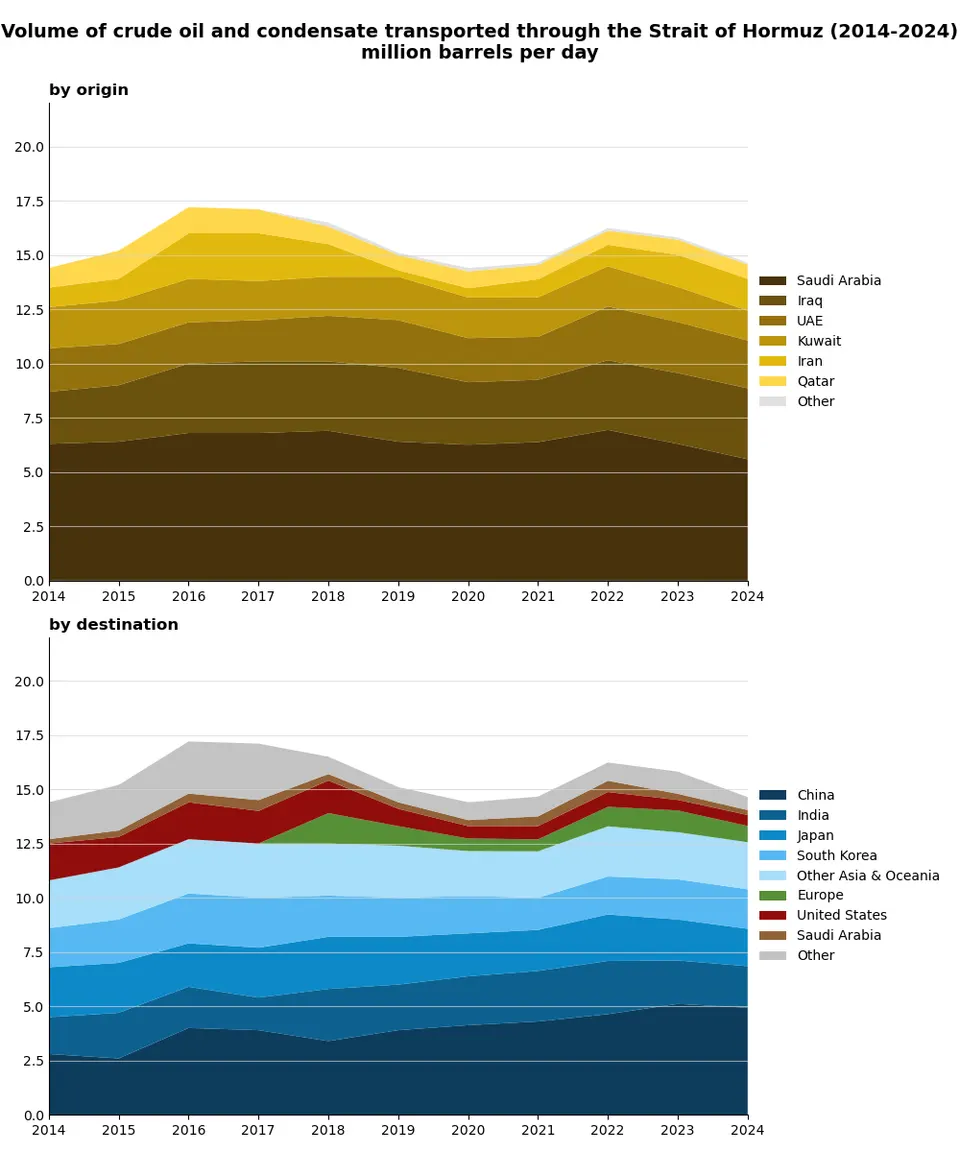
On the energy front, the situation is becoming critical for global markets, which is directly feeding back into Iranian inflation. The U.S. Energy Information Administration (EIA) reported a sixth straight weekly drop in commercial crude supplies today. Market analysts are sounding the alarm, stating that 'oil tanks are getting emptier each week Hormuz stays closed.' This scarcity pushed oil prices toward their highest levels in over a week, creating a global inflationary wave that hits the Toman through the cost of imported intermediate goods. Even as Iraq attempts to bypass the blockade by targeting 770,000 barrels per day through the Ceyhan pipeline in Turkey, it remains a drop in the bucket compared to the 20 million barrels that usually flow through the Strait of Hormuz.
For Iran, this is a double-edged sword. While higher oil prices theoretically benefit the state budget, the inability to ship traditional volumes and the increased cost of 'shadow fleet' insurance premiums eat into those gains. Furthermore, the Office for Budget Responsibility has warned that government borrowing in allied nations is set to spike due to this energy shock. In Iran, the domestic equivalent is a deepening deficit that the central bank may eventually have to monetize, further weakening the Toman’s purchasing power. The market is currently betting that the energy crisis will last longer than diplomatic optimistic rhetoric suggests.
Global Jitters and the Domestic Outlook
The ripple effects of the U.S.-Iran unease were felt heavily on Wall Street, where the Dow Jones Industrial Average dropped 400 points as small-cap stocks cratered. This global 'risk-off' sentiment usually spells trouble for emerging and frontier market currencies like the Toman. Adding to the complexity, Marco Rubio confirmed that Donald Trump will attend a NATO meeting to 'fix' alliance tensions, a move that suggests the U.S. is bracing for a multi-front geopolitical struggle. This lack of a clear, unified Western response to the Gulf crisis has left traders guessing, leading to increased volatility in both the gold and currency sectors.
Domestically, President Masoud Pezeshkian used his Eid al-Ghadir message to emphasize 'just leadership' and governance based on dignity. While the rhetoric is aimed at social cohesion, the economic reality is stark. Gold 18k/gram actually moved from 18,870,446 to 18,748,788 Toman (-0.6%), showing that some investors are liquidating gold to cover Toman-denominated debts or switching to the Emami coin, which rose 0.3% to 183,500,000 Toman. This divergence suggests a 'bubble' in minted coins as people prioritize highly liquid, portable wealth over raw bullion. As we look toward tomorrow, the focus remains on whether the Ceyhan pipeline can truly alleviate the supply crunch or if the Toman will continue its climb toward the 175,000 resistance level.