100 Days of Conflict: Toman Edges Toward 175k as Emami Coin Sheds 2.5 Million in Night Session
۱۰۰ روز نبرد و مقاومت؛ دلار در مرز ۱۷۵ هزار تومان و سقوط ۲.۵ میلیونی سکه امامی
As the regional conflict hits its 100-day milestone, the Iranian Toman shows surprising resilience despite a slight climb, while the gold coin market faces a sharp correction. We explore why shifting sentiment in Washington and a potential 'June swoon' on Wall Street are redefining the risk premium for Tehran's traders.
At time of publishing
USD
174,800
Toman
Gold 18K
18.32M
Toman / gram
Bitcoin
$60,656
US Dollar
Tether
174,729
Toman
The 100-Day Milestone and the Toman's Quiet Climb
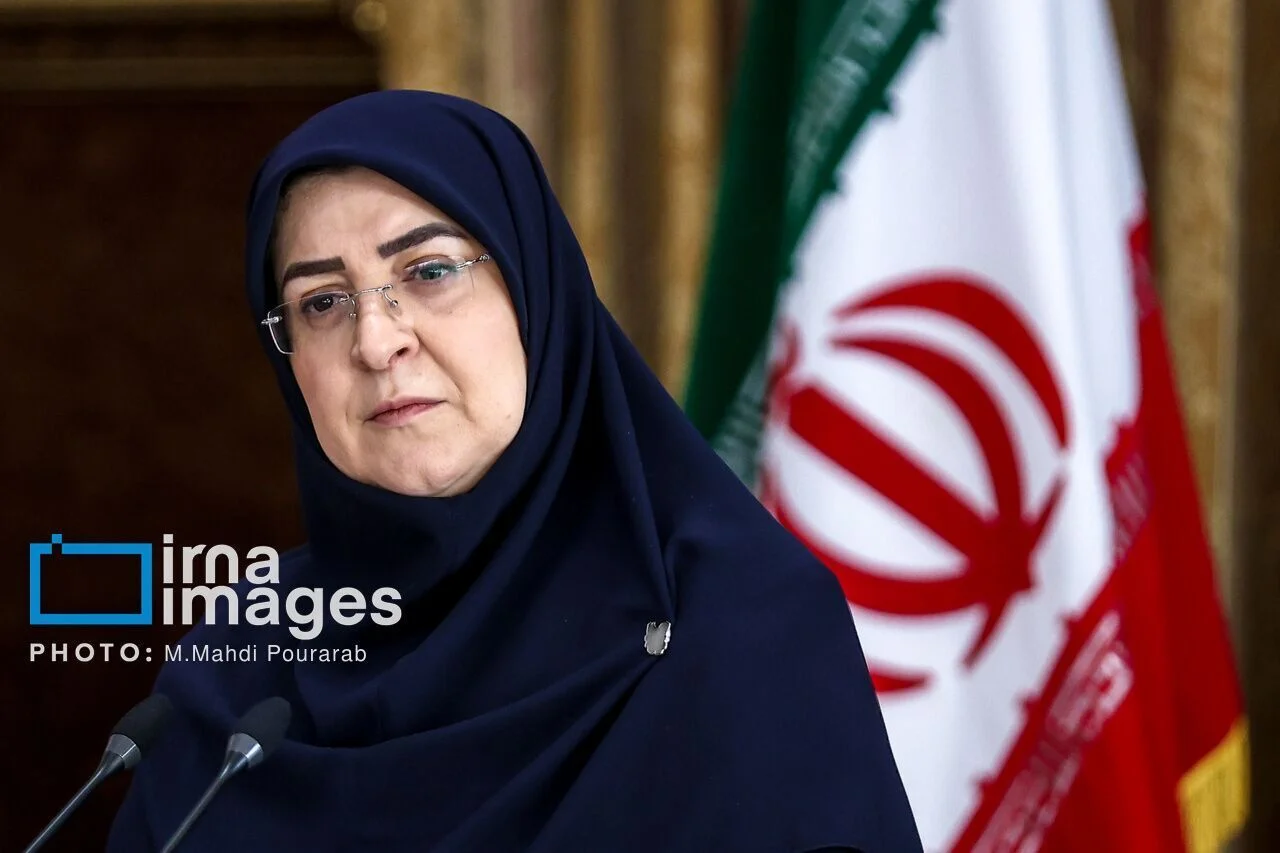
As of Saturday night, June 6, 2026, the Iranian market is grappling with a heavy psychological milestone: 100 days since the start of the current conflict. In this high-stakes environment, the currency market has remained remarkably contained. USD moved from 174,300 to 174,800 (+0.3%), a modest increase that suggests the initial shock of escalation has been replaced by a weary, calculated wait-and-see approach. Government spokesperson Fatemeh Mohajerani underscored this mood today, urging the documentation of Iran’s 'wartime resistance.' Her call to preserve the history of this 'difficult period' signals that the administration is preparing the public for a long-term economic marathon rather than a quick sprint to de-escalation.
What is particularly striking in tonight's data is the decoupling of gold coins from the dollar's movement. While the greenback rose slightly, the Emami coin moved from 183,500,000 to 181,000,000 (-1.4%), shedding a massive 2.5 million Toman in value. This sharp correction indicates that the speculative 'war premium' that had been baked into gold prices is beginning to evaporate. Investors who rushed into gold as a panic-hedge are now facing the reality of a stagnant front line, leading some to liquidate their positions in favor of liquid cash or Tether, which currently sits at 174,729 Toman.
Global Markets: The 'June Swoon' and the Crypto Stagnation
While Tehran watches the borders, global investors are looking at the calendar with dread. Analysts are warning of a 'June swoon' for the S&P 500, suggesting that the US stock market is pushing its upper limits. Despite some unexpected earnings beats from companies that Wall Street had previously written off, the general sentiment is one of exhaustion. This global 'risk-off' mood has direct consequences for Iranian crypto holders. Bitcoin remains stuck at $60,656, failing to capitalize on its 'oversold' status that some analysts hoped would trigger a rally to $70,000. For the Iranian trader, this means that crypto is currently failing to provide the explosive growth needed to outpace domestic inflation.
The broader macro picture is further complicated by the Federal Reserve's inability to shield consumers from supply shocks. While the Fed manages interest rates, it cannot control the geopolitical disruptions that drive up the cost of imports—a reality Iranians know all too well. As global grocery and gasoline prices remain volatile, the 'imported inflation' is keeping the Toman under pressure. The current stability at the 174,800 level should be viewed as a fragile equilibrium, held together by central bank intervention and a temporary lull in major military movements.

The Bigger Picture: Political Shifts and Energy Pivots
Perhaps the most significant long-term driver for the Rial tonight is the shifting political landscape in the United States. Reports indicate that 100 days into the war on Iran, Donald Trump has failed to rally broad domestic support for the conflict. This lack of enthusiasm is a critical metric for Tehran; if the US administration lacks the political capital for further escalation, the 'maximum pressure' may reach a ceiling. Instead of a purely military focus, we are seeing the US administration pivot toward domestic energy security, such as the controversial move to channel defense funds into dying coal plants to support the AI boom's massive power needs.
This shift suggests that the US may be looking for an exit or a freeze in the conflict to focus on internal economic issues and the looming elections. For the Iranian reader, this translates to a potential 'sideways' market for the remainder of June. The practical takeaway is clear: the era of 10% daily jumps in the dollar may be on pause as the 'war fatigue' sets in globally. However, with Gold 18k/gram moving from 18,331,409 to 18,318,712 (-0.1%), the message is one of preservation over speculation. Diversifying into stablecoins like USDT or maintaining high-liquidity Toman accounts may be more prudent than chasing the falling knife of overpriced gold coins.
Frequently Asked Questions
Why did the Emami coin drop while the USD rose?
What is the 'June swoon' mentioned in global markets?
How does Trump's lack of support for the war affect the Toman?
Is Bitcoin still a good hedge against Rial inflation at $60,000?
Understanding Iran's Dual Exchange Rate System
Iran operates a dual exchange rate regime that separates the official rate set by the Central Bank from a market‑driven rate used for most foreign‑currency transactions. The official rate (often called the official or government rate) is used for essential imports, debt service, and certain state‑controlled sectors. Meanwhile, the free market rate—sometimes referred to as the open market or black‑market rate—reflects real supply‑and‑demand dynamics and is the price most businesses and individuals actually pay when converting rials (IRR) to dollars (USD) or vice‑versa.
The split arose as a tool to mitigate the impact of international sanctions and to preserve foreign‑exchange reserves for critical imports. However, it creates significant arbitrage opportunities: traders can obtain dollars at the cheaper official rate, then sell them on the free market for a profit. This arbitrage fuels corruption, distorts price signals, and often leads to rapid devaluation of the rial in the free market, as seen in the recent slide to around 175,000 IRR per USD.
For investors and ordinary Iranians alike, the dual system means that quoted exchange rates can be misleading. A headline saying “USD/IRR = 175k” may refer to the black‑market rate, while official publications might still list a much lower figure. This discrepancy also affects cryptocurrency prices (e.g., the Emami coin) and gold pricing in Tehran, because many of these assets are priced in the free‑market rial to reflect true purchasing power.
Understanding this mechanism helps explain why traditional monetary policy tools—like interest‑rate hikes—often have limited effect in Iran. The Central Bank can influence the official rate, but the free market reacts more to sanctions pressure, capital flight, and informal dollar‑demand. Consequently, macro‑economic forecasts must account for both rates to be realistic.
For deeper insight, explore the references below, which cover the history, mechanics, and recent developments of Iran’s exchange‑rate regime.