Toman Slides 1.9% as Trump Signals Military Readiness; Gold Hits 18.6M Amid Middle East Escalation
سقوط ۱.۹ درصدی تومان همزمان با سیگنالهای نظامی ترامپ؛ طلا به مرز ۱۸.۷ میلیون تومان رسید
The Iranian Toman fell to 178,200 against the USD today as geopolitical tensions reached a fever pitch following Israeli strikes on Beirut and Donald Trump’s defensive stance on military buildup. Gold followed suit, rising 2.0% as investors seek safety in a rapidly destabilizing regional landscape.
At time of publishing
USD
178,200
Toman
Gold 18K
18.68M
Toman / gram
Bitcoin
$62,247
US Dollar
Tether
177,806
Toman
The Trump Shift and the Toman’s Retreat
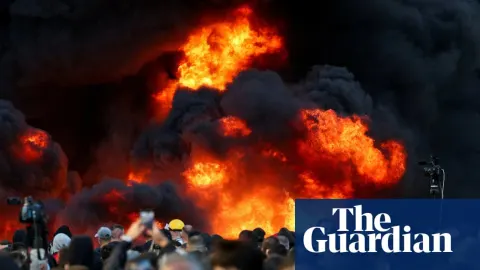
Today’s market session in Tehran was dominated by a sharp reaction to shifting rhetoric from Washington and the intensifying conflict on Iran’s doorstep. The USD moved from 174,800 to 178,200 (+1.9%), a significant jump that reflects a sudden loss of confidence in diplomatic de-escalation. The primary catalyst appears to be Donald Trump’s latest interview on 'Meet the Press,' where he aggressively defended his military buildup. By stating he "didn’t guarantee no war" and questioning why he would build the world's strongest military if not to use it, Trump has effectively dismantled the hope for a quick isolationist pivot. For Iranian traders, this translates to a higher risk premium on the dollar, as the specter of direct confrontation looms larger than it has in months.
Adding to the pressure, Trump’s refusal to unfreeze Iranian assets before a comprehensive ceasefire deal is reached has shut the door on immediate liquidity relief. While Iranian officials have suggested that releasing these funds would build the 'trust' necessary for a lasting deal, the Trump administration’s hardline stance suggests a 'maximum pressure' 2.0 strategy is already in play. This has left the Central Bank of Iran with fewer tools to defend the Toman, leading to the nearly 2% slide we witnessed in a single 24-hour window. The market is no longer pricing in a diplomatic miracle; it is pricing in a protracted and potentially kinetic standoff.
Regional Flames and the Gold Surge
As the geopolitical temperature rose, gold and coins became the primary refuge for local capital. Gold 18k per gram moved from 18,318,712 to 18,683,918 (+2.0%), outperforming even the dollar’s gains. This surge is directly linked to the strikes on Beirut’s suburbs and Tehran’s subsequent threats of a "painful" response against Israel and the US. When the regional conflict moves from proxy skirmishes to direct threats against major capitals, the Iranian public traditionally dumps Toman-denominated assets in favor of physical gold. The Emami coin also saw a substantial rise, moving from 181,000,000 to 184,000,000 (+1.7%), signaling that even at these historic highs, the appetite for "hard" security remains insatiable.
The context of Zelensky’s arrival in the UK for talks with European leaders further complicates the picture. As European allies double down on their support for Ukraine, the US focus is visibly shifting toward the Middle East. This realignment suggests that the regional conflict is no longer a side-show but the main event in global geopolitics. For the average Iranian, this means that the volatility in the price of gold is not just a market fluctuation; it is a barometer of national security. The fact that gold is rising faster than the dollar suggests a deep-seated fear that even the greenback might not be enough if the conflict expands further.
Global Macro Context and Practical Takeaways
While the Middle East burns, the rest of the world’s financial machinery continues to grind, often in ways that further penalize the Toman. The European Central Bank (ECB) has stepped up as the G7’s lead hawk, with an interest rate hike now primed. This move has pushed the Euro to 205,350 Toman, making European imports and travel even more prohibitive for Iranians. As the ECB tightens, global liquidity dries up, making it harder for emerging or sanctioned markets to find stable footing. This hawkish turn in Europe ensures that the Toman’s weakness is compounded by the relative strength of Western currencies, creating a double-edged sword for the Iranian economy.
On a more niche but telling note, Fidelity’s decision to slash the SpaceX investment minimum to $2,000 for retail investors highlights the widening gap between the global "opportunity" economy and Iran’s "survival" economy. While global retail investors are being invited to participate in the colonization of Mars, Iranian investors are struggling to protect their life savings from 2% daily devaluations. The practical takeaway for tonight is clear: the 178,000 level for USD is now a critical resistance point. If geopolitical rhetoric does not cool by tomorrow’s open, we may see a test of the 180,000 mark. Diversification into gold remains the most logical defensive play, but keep a close eye on any 'back-channel' diplomatic news regarding the frozen assets, as that remains the only 'black swan' that could trigger a Toman recovery.

Frequently Asked Questions
Why did the USD/IRR price jump 1.9% in a single day?
Is gold currently a better investment than the Dollar in Iran?
What does the ECB's hawkish stance mean for Iranian travelers?
Will the release of frozen assets happen soon?
Geopolitical Risk and its Impact on Currency and Asset Markets
Geopolitical risk refers to the potential for political instability, international tensions, and conflicts to disrupt global markets and economic activity. These risks can stem from various sources, including military confrontations, trade wars, political coups, or even significant policy shifts by major powers. When such risks emerge or escalate, they create an environment of uncertainty that profoundly influences investor behavior and market dynamics. The recent news of Toman's slide following signals of military readiness from a major global power perfectly illustrates this phenomenon.
One of the most immediate impacts of heightened geopolitical risk is often seen in currency markets. Investors, fearing the economic consequences of potential conflict—such as sanctions, disruption to trade, or capital controls—tend to move their assets out of the affected region or country. This "flight to safety" reduces demand for the local currency and increases its supply on international markets, leading to its depreciation or devaluation. Conversely, currencies perceived as stable and belonging to countries far removed from the conflict, like the US Dollar, Japanese Yen, or Swiss Franc, often strengthen as they become safe havens for capital.
Simultaneously, geopolitical tensions drive a surge in demand for safe-haven assets. These are investments that are expected to retain or even increase in value during periods of market turbulence and uncertainty. Gold, with its long history as a store of value and its universal acceptance, is the quintessential safe-haven asset. When the specter of conflict looms, investors flock to gold, driving up its price, as seen with the Emami coin's surge. This behavior reflects a deep-seated human instinct to protect wealth against the unpredictable nature of political events and their economic fallout.