Trump’s Peace Claims and China’s Crude Discounts: Why Toman and Gold Dipped Tonight
ادعای صلح ترامپ و تخفیف نفتی چین؛ چرا دلار و طلا امشب عقبنشینی کردند؟
Markets breathed a sigh of relief as Iran and Israel announced a halt to direct strikes, while Donald Trump claimed 'final peace negotiations' are underway. Meanwhile, Iranian crude faces price cuts in China, adding a layer of economic complexity to the geopolitical de-escalation.
At time of publishing
USD
177,000
Toman
Gold 18K
18.59M
Toman / gram
Bitcoin
$63,548
US Dollar
Tether
176,384
Toman
The War Premium Evaporates
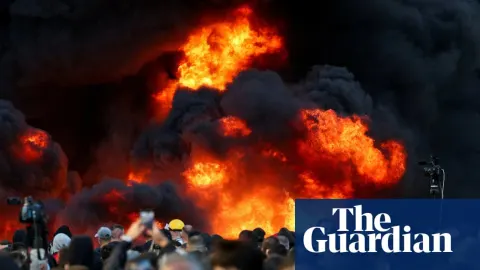
After a weekend of high-octane anxiety, the Monday night session in Tehran closed with a visible cooling of the 'war premium.' The US Dollar moved from 178,400 to 177,000, marking a -0.8% decrease. This shift reflects a market that is quickly pricing out the immediate threat of a full-scale regional war. Following a brief but intense exchange of fire—where Iranian media reported strikes on the Karun petrochemical plant and subsequent retaliatory moves near Haifa—both Tehran and Tel Aviv have signaled a halt to hostilities. For the average Iranian saver, this means the frantic rush to buy 'safe-haven' dollars at any price has paused, as the immediate fear of infrastructure destruction subsides.
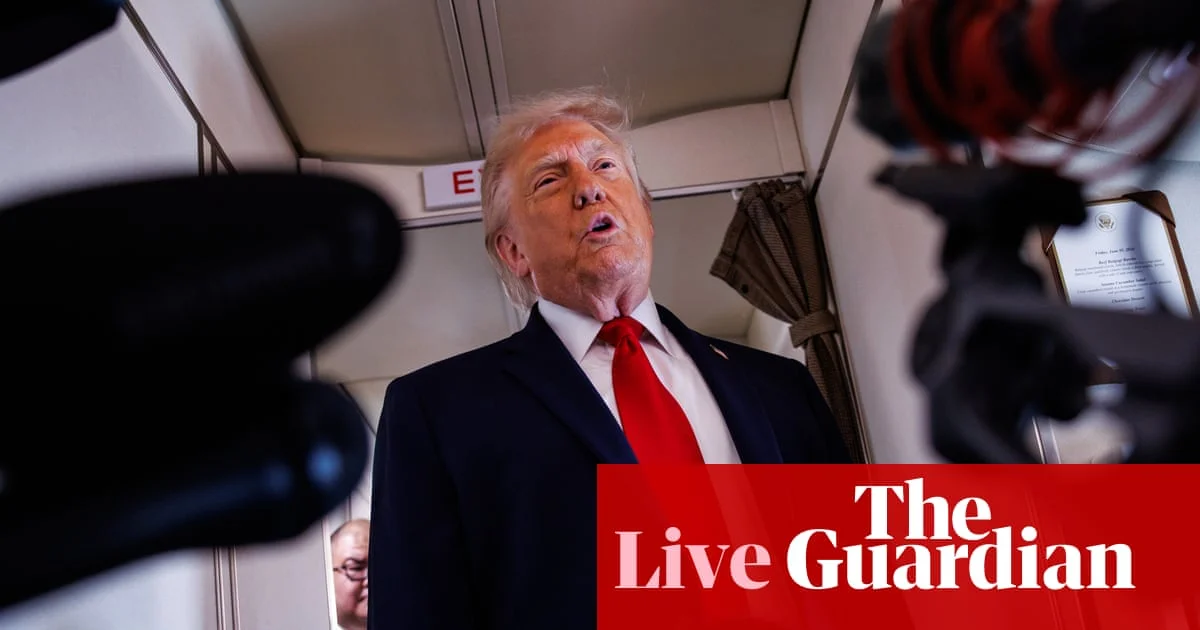
Donald Trump added fuel to this cooling trend by claiming on Truth Social that 'final peace negotiations' are already underway. While these claims are often met with skepticism by diplomats, the currency markets in Tehran react to the sentiment of a deal rather than the technical reality. The mere mention of a ceasefire by a major US political figure acts as a psychological ceiling for the USD/IRR rate. When the prospect of diplomacy enters the room, speculators who bought at the 180,000 peak begin to offload their positions, leading to the slight correction we saw tonight in both the greenback and gold coins.

Energy Economics: Discounts and Tolls
Beyond the headlines of missiles and peace deals, a more structural shift is occurring in Iran's primary revenue stream: oil. Reports indicate that Chinese independent refiners, the largest buyers of Iranian crude, are now demanding—and receiving—discounts. Iranian Light for July delivery has been cut to a discount of $1 per barrel relative to the Brent benchmark, a sharp reversal from the $2 premium seen just two months ago. This is driven by weak internal demand in China and soaring input costs for their refiners. For the Iranian economy, this means that even if the volume of exports remains steady, the net 'petrodollars' entering the system are shrinking, which could limit the Central Bank's ability to defend the Toman in the long run.
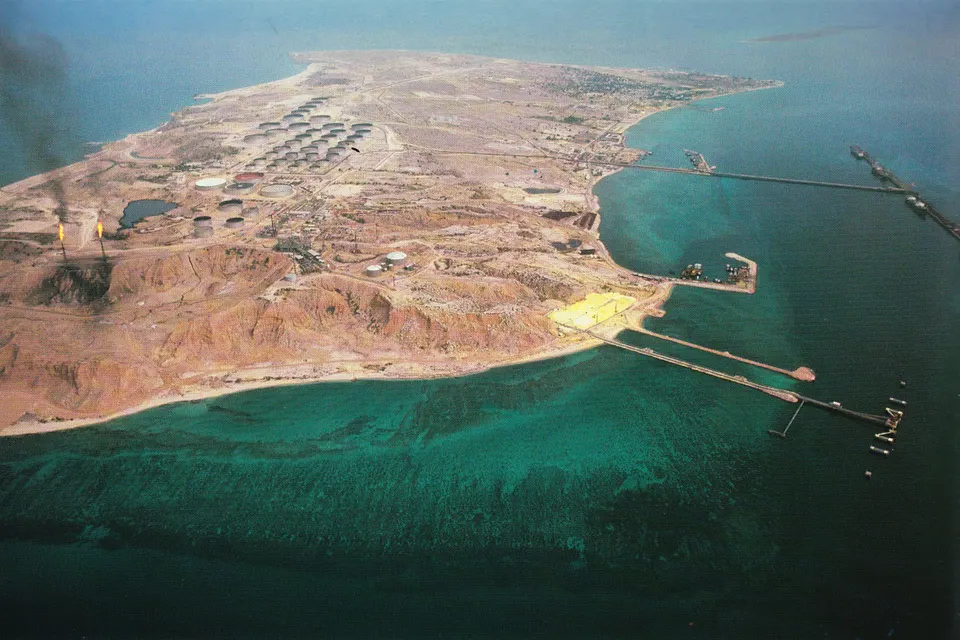
Adding to this complexity is the announcement by Kazem Jalali, Iran’s Ambassador to Russia, regarding a new 'toll regime' for the Strait of Hormuz. The proposal suggests that Iran and Oman will begin charging transit fees for vessels passing through this critical maritime artery. While this is framed as a fee for 'services provided,' it represents a strategic move to monetize Iran's geographical leverage at a time when traditional oil revenues are under pressure. If implemented, this could create a new recurring revenue stream for the treasury, but it also risks increasing global shipping costs and inviting further international scrutiny of Persian Gulf trade.
The Bigger Picture and Practical Takeaways
In the global context, the pause in Middle Eastern strikes has allowed international markets to recover. The Nasdaq led a rally as chip stocks staged a comeback, and Bitcoin stabilized around the $63,548 mark. For Iranians, the stabilization of Bitcoin is particularly relevant as it serves as a secondary hedge against local currency volatility. However, the 24-hour delta shows that local assets like 18k gold followed the currency down, moving from 18,683,918 to 18,588,115 Toman per gram (-0.5%). This synchronized dip across USD, gold, and coins suggests that the market is currently driven by a singular factor: the reduction of geopolitical risk.
What should the pragmatic investor do tomorrow? The current trend suggests a 'wait and see' approach. The sharp -0.8% drop in USD indicates that the market was overextended due to panic. If the ceasefire holds and the 'final peace negotiations' mentioned by Trump show even a shred of credibility, we could see the Toman strengthen further toward the 170,000 support level. However, keep a close eye on the 'Hormuz Toll' news; any friction in the Strait will immediately reverse tonight's gains and send gold prices back to their record highs. For now, the takeaway is clear: the peak of the panic has passed, but the underlying economic pressures—especially the discounted oil sales—remain a long-term concern for the Toman's stability.
Frequently Asked Questions
Why did the US Dollar drop despite recent military strikes?
What does the 'Hormuz Toll' mean for the Iranian economy?
Why is Iranian oil being sold at a discount to China now?
Is this a good time to buy gold or crypto in Iran?
Geopolitical Risk and its Immediate Impact on Currency and Commodity Markets
Geopolitical risk refers to the potential for political events, conflicts, or international tensions to disrupt global stability and, consequently, financial markets. For economies under significant international pressure, such as those facing sanctions, these risks are acutely felt in their domestic currency and commodity prices. News of potential de-escalation, like "peace claims" or negotiations, can trigger immediate and often dramatic shifts as market participants recalibrate their expectations for the future.
When the perceived geopolitical risk diminishes, especially for a sanctioned economy, the local currency often strengthens, and demand for safe-haven assets like gold tends to fall. This is because reduced tensions could signal a pathway to sanctions relief, improved international trade relations, and increased foreign investment. An improved economic outlook reduces the incentive for capital flight and boosts confidence in the domestic currency, leading to its appreciation against major foreign currencies like the USD. Conversely, gold, often sought as a hedge against uncertainty and inflation, becomes less attractive when stability appears to be returning.
In the context of Iran, years of international sanctions have heavily impacted its economy, leading to a weakened Toman and a robust local demand for gold as a store of value. The necessity to sell crude oil at discounted rates to buyers like China is a direct consequence of these sanctions, limiting the country's revenue and foreign exchange reserves. Therefore, any credible indication of "peace negotiations" or a significant reduction in regional tensions can cause a swift market reaction, with the Toman strengthening and gold prices dipping, as investors and citizens anticipate a potential easing of economic pressures.
It's crucial to understand that these market movements are often speculative, driven by anticipation of future policy changes rather than immediate economic shifts. Traders and investors react to information that alters their perception of risk and reward, pricing in potential future scenarios. While "peace claims" might not immediately lift sanctions or alter trade agreements, the expectation of such changes is enough to move markets, demonstrating the profound sensitivity of financial assets to geopolitical developments.