Toman Recovers Slightly as Gold Dips; US Inflation Surges on Energy Costs
سقوط طلا و افزایش تورم آمریکا؛ تومان اندکی جان گرفت
The Iranian Toman saw a marginal recovery today, while gold prices experienced a notable decline. Meanwhile, US inflation surged to a three-year high, driven primarily by escalating energy costs linked to ongoing geopolitical tensions.
At time of publishing
USD
178,650
Toman
Gold 18K
17.78M
Toman / gram
Bitcoin
$61,965
US Dollar
Tether
178,699
Toman
What Actually Happened
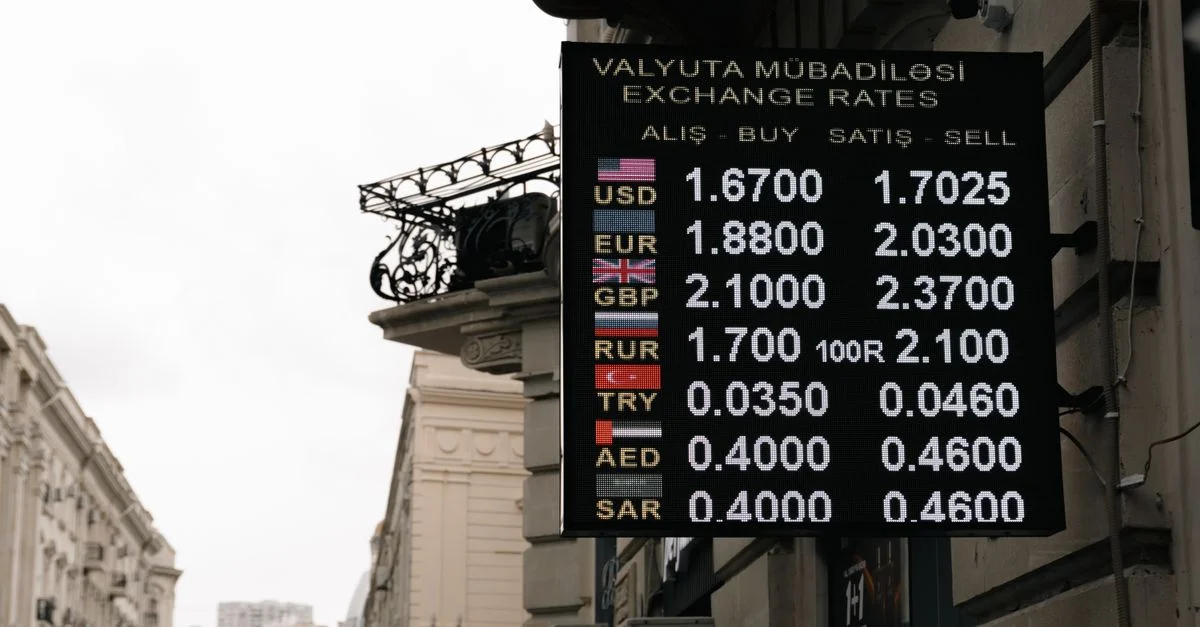
Today's market session closed with the Iranian Toman showing a modest rebound against the US dollar. The sell rate for USD settled at 178,650 Toman, a slight improvement from earlier in the day, though the buy rate remained at 177,593 Toman. This movement comes amidst a backdrop of significant global economic shifts, including a sharp rise in US inflation. The Bureau of Labor Statistics reported that US inflation climbed above 4% for the first time in three years in May, with energy costs being the primary driver. This surge is directly attributed to the ongoing conflict in Iran, which has disrupted energy markets and pushed consumer prices higher. The Consumer Price Index (CPI) rose 0.5% from April and 4.2% year-on-year, marking the highest inflation reading since April 2023.
In stark contrast to the Toman's slight recovery, the price of gold took a significant tumble. The 18-carat gold gram, a key indicator for the precious metal's value, fell by 2.2% to 17,782,907 Toman. This decline occurred despite the rising inflation figures in the US, which often correlate with an increased demand for gold as a safe-haven asset. The Emami coin, another benchmark for gold value in Iran, remained stable, showing no change at 181,000,000 Toman. This divergence in gold prices suggests a complex interplay of factors, possibly including shifts in international gold markets and local demand dynamics, influencing different gold denominations differently.
---
Why This Matters to Iranians
The fluctuations in the Toman directly impact the purchasing power of every Iranian. When the Toman weakens, imported goods become more expensive, contributing to higher prices for everyday necessities like food, electronics, and even raw materials used in local production. The slight recovery seen today, while marginal, offers a sliver of relief, potentially slowing down the rate of price increases for imported items. However, the underlying inflationary pressures, both domestic and international, remain a significant concern. The surge in US inflation, driven by energy costs tied to the Iran conflict, has global repercussions. For Iranians, this means that even if the Toman stabilizes, the cost of goods could continue to rise due to these external factors, further squeezing household budgets.
The significant drop in gold prices, particularly for the 18-carat gram, might seem counterintuitive given the global inflationary environment. Gold has traditionally been seen as a hedge against inflation and currency devaluation. For many Iranians, gold and coins are not just investments but essential stores of wealth, particularly during times of economic uncertainty. A falling gold price can erode savings and reduce the perceived value of assets held by families. While the Emami coin held its ground, the decline in other gold benchmarks indicates a potential shift in market sentiment or a correction after previous price rallies. This volatility creates uncertainty for those relying on gold to preserve their wealth.
---
The Bigger Picture
The global economic landscape is increasingly shaped by geopolitical tensions, particularly the ongoing conflict involving Iran. The surge in US inflation, as reported by the Bureau of Labor Statistics, is a clear testament to this. Rising energy prices, directly linked to the Iran war, are not only affecting American consumers but are also sending ripples across the world economy. This situation puts central banks, including the US Federal Reserve, in a difficult position. They face the challenge of controlling inflation without stifling economic growth, a delicate balancing act that could lead to further market volatility.
The rhetoric from political figures, such as Donald Trump's repeated threats to strike Iran again, as reported by NYT World, adds another layer of uncertainty. While such statements might be aimed at domestic political audiences, they have tangible effects on international markets. They contribute to the risk premium in oil prices and can dampen investor confidence, impacting currency valuations and stock markets globally. The Iranian Armed Forces' spokesperson reiterating a commitment to a "crushing response to any threats" underscores the persistent high-risk environment. This cycle of threats and counter-threats maintains a state of elevated geopolitical risk, which is a key factor influencing global economic stability and, by extension, the value of currencies like the Iranian Toman and assets like gold.

Looking Ahead
As the markets close for the day, the focus shifts to tomorrow's trading session. Key indicators to watch will be the continued performance of the US dollar against the Toman, any further shifts in gold prices, and the broader impact of US inflation data on global financial sentiment. Geopolitical developments and official statements from involved parties will undoubtedly play a crucial role in shaping market expectations. Investors and everyday Iranians alike will be closely monitoring any news that could de-escalate or intensify the current geopolitical situation, as this will be the primary determinant of market direction in the coming days.
Frequently Asked Questions
What caused the US inflation to surge?
Why did the price of gold decrease despite rising inflation?
How does the fluctuation of the Iranian Toman affect everyday Iranians?
What is the outlook for the Iranian Toman and gold prices in the near future?
Inflation, Currency Value, and the Allure of Safe-Haven Assets
Inflation, fundamentally defined as the rate at which the general level of prices for goods and services is rising, and consequently, the purchasing power of currency is falling, is a critical economic phenomenon. When we see headlines about "US Inflation Surges on Energy Costs," it signals that the purchasing power of the US dollar is eroding, meaning consumers need more dollars to buy the same amount of goods and services. This rise in inflation, often fueled by factors like increased energy prices or supply chain disruptions, has ripple effects far beyond a single country's borders, influencing global markets and investor sentiment.
One of the most immediate impacts of surging inflation is on the value of a nation's currency. As inflation reduces purchasing power, investors and citizens often seek ways to protect their wealth. This is where "safe-haven assets" come into play. Assets like gold have historically been considered a reliable store of value during times of economic uncertainty, currency depreciation, or high inflation. In countries like Iran, where the local currency (the Toman) has experienced significant volatility, assets such as the Emami Coin (a specific gold coin) become particularly popular as a hedge against local currency devaluation.
The interplay between a local currency's performance and the demand for safe havens is complex. When the Toman "recovers slightly," as mentioned in the headline, it suggests a temporary improvement in its perceived stability or purchasing power relative to other currencies like the USD. This recovery might lead to a slight decrease in the immediate domestic demand for gold as a hedge, causing its local price to dip. However, the global price of gold is also influenced by broader factors, including US inflation, interest rate expectations, and geopolitical tensions, which can either bolster or diminish its appeal as a global safe haven.
Ultimately, understanding the relationship between inflation, currency values, and safe-haven assets is crucial for any curious reader. High inflation erodes wealth held in cash, pushing investors towards tangible assets like gold. While local currency movements can create short-term fluctuations in the demand for these assets within a country, the overarching global economic environment, particularly the health of major economies like the US, continues to play a significant role in shaping the global value of safe havens and the stability of currencies worldwide.