Toman Breaches 180k Milestone as SpaceX IPO Dethrones Aramco Amid Global Energy Shift
عبور دلار از مرز ۱۸۰ هزار تومان؛ اسپیساکس تخت پادشاهی آرامکو را در میانه تحولات انرژی ربود
The Iranian Toman crossed the critical 180,000 threshold today as regional ceasefire hopes remain fragile. Simultaneously, a historic shift occurred in global markets as SpaceX's IPO surpassed Saudi Aramco's long-held record, signaling a new era of capital flow.
At time of publishing
USD
180,750
Toman
Gold 18K
18.15M
Toman / gram
Bitcoin
$63,177
US Dollar
Tether
181,058
Toman
The 180,000 Barrier: Toman’s Psychological Shift
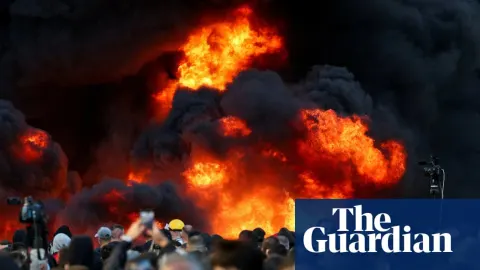
The Iranian currency market reached a significant psychological and economic milestone during Thursday's night session. The US Dollar (USD) moved from 178,800 to 180,750 Toman, marking a 1.1% increase in just 24 hours. This breach of the 180,000 level is more than just a numerical change; it represents a deepening anxiety among traders regarding the sustainability of the current regional status quo. While the market had hovered near this line for days, the lack of a definitive diplomatic breakthrough has pushed buyers to seek the safety of hard currency once again. For the everyday Iranian, this move signals a potential new wave of inflationary pressure on imported goods and essential services.
Gold followed suit with even more aggression. The price of 18k gold per gram surged from 17,782,907 to 18,146,267 Toman, a sharp 2.0% jump. This outsized movement in gold compared to the dollar suggests that Iranians are not just hedging against currency devaluation, but are actively seeking a 'safe haven' against broader geopolitical risks. The Emami coin also saw a modest rise from 181,000,000 to 182,000,000 Toman (+0.6%). The divergence between the coin's growth and raw gold suggests that the 'bubble' or premium on minted coins is being tested as investors prioritize the liquidity of bullion and grams over the traditional prestige of the Emami coin.
A New King in Global Markets: SpaceX vs. Aramco
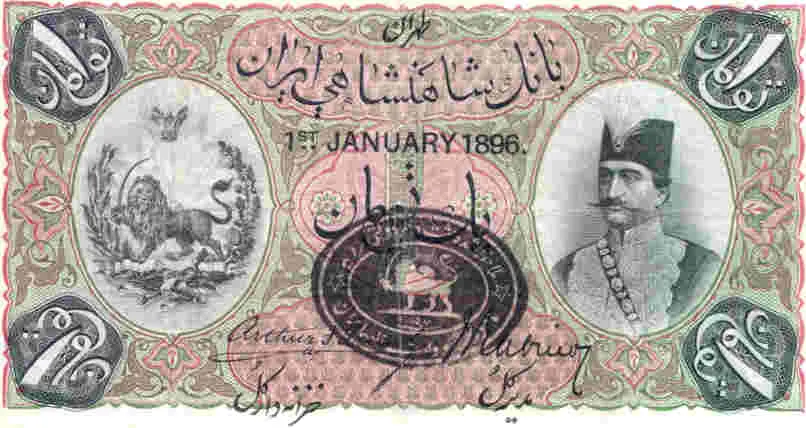
While the local market grappled with currency volatility, the global financial landscape witnessed a tectonic shift. For seven years, Saudi Aramco held the title for the largest Initial Public Offering (IPO) in history, a symbol of the undisputed reign of fossil fuels. Tonight, that crown was lost. SpaceX has reportedly priced its IPO to raise approximately $75 billion, dwarfing Aramco’s $29.4 billion debut. This event is a massive signal to energy-dependent economies like Iran. It suggests that global capital is aggressively pivoting away from traditional extraction industries toward space-tech and future-facing infrastructure.
This shift comes at a sensitive time for regional energy projects. The Trans-Caspian Pipeline, a project discussed for over 27 years to bypass traditional routes, remains stalled despite the renewed interest in the 'Middle Corridor.' The inability of regional players to finalize these alternative energy routes, combined with the 'blistering' resignation of UK Defense Secretary John Healey over military spending concerns, highlights a world in transition. Healey’s exit, rooted in a critique that the UK is not investing enough in defense to remain safe, adds to the perception of a West that is internally divided and potentially less capable of enforcing the complex sanctions and maritime security regimes that currently dictate Iran's export realities.
The Bigger Picture: Refugees and Regional Turmoil
Beyond the tickers and trading screens, the human element of the current crisis is becoming clearer. Recent UN reports indicate that while the absolute number of forcibly displaced people dropped slightly to 118 million in 2025, those returning home are often heading back into 'turmoil.' This instability is the invisible hand behind the market’s volatility. When regional security is perceived as a revolving door of crisis, capital does not stay still. The World Bank’s recent downgrade of global growth to 2.5% specifically cites the US-Iran friction as a primary driver for surging energy costs and borrowing rates.
Even seemingly unrelated events, such as the trial of former DUP leader Jeffrey Donaldson in the UK, contribute to a sense of political erosion in the very nations that manage the global financial architecture. For the Iranian reader, the takeaway is clear: we are in a period of high-frequency volatility where traditional anchors—like the 'oil is king' mantra—are being replaced by technology and space-based assets. As the Toman settles above 180,000, the strategy for the coming days should be defensive. Watch the gold ounce price, currently at a staggering $4,149.90, as it will likely dictate the opening sentiment of the Tehran bazaar tomorrow morning.

---
Practical Takeaway
With the USD breaching 180,000, the psychological floor has shifted. Investors should avoid panic-buying at these peaks but should consider diversifying into 18k gold grams rather than coins to avoid the high premiums currently seen in the Emami market. Keep an eye on the $63,000 level for Bitcoin; if it holds, it may offer a secondary hedge for those looking to move capital outside the traditional Toman-based banking system.
Frequently Asked Questions
Why is 180,000 Toman considered a critical level for the USD?
How does the SpaceX IPO affect the Iranian economy?
Is it better to buy Emami coins or 18k gold right now?
Understanding Currency Depreciation: When Money Loses Value
Currency depreciation occurs when a nation's currency loses value relative to one or more foreign currencies. This means that it takes more units of the domestic currency to buy a single unit of a foreign currency, such as the US dollar. For instance, if the Toman-USD exchange rate moves from 100,000 Tomans per dollar to 180,000 Tomans per dollar, the Toman has depreciated significantly. This phenomenon is distinct from devaluation, which is a deliberate government policy to lower a fixed exchange rate, whereas depreciation happens due to market forces in a floating exchange rate system.
Several factors can lead to currency depreciation. High inflation within a country, where prices for goods and services rise rapidly, erodes the purchasing power of the domestic currency, making it less attractive compared to more stable foreign currencies. Economic instability, political uncertainty, and large current account deficits (when a country imports more than it exports) can also weaken a currency. Additionally, external pressures like international sanctions or a lack of foreign investment can severely limit a country's access to foreign currency, driving up its price on the domestic market.
The consequences of currency depreciation are far-reaching for a nation and its citizens. Imports become more expensive, leading to higher costs for consumers and businesses that rely on foreign goods or raw materials. This can fuel further inflation, creating a vicious cycle. For individuals, the value of their savings diminishes, and their purchasing power for international travel or foreign products is severely curtailed. To protect their wealth, people often seek refuge in more stable assets like gold or foreign currencies, further exacerbating the domestic currency's decline.
While a depreciated currency can theoretically make a country's exports cheaper and more competitive, boosting export-led growth, this benefit is often overshadowed by the negative impacts in economies facing significant structural issues or international isolation. The long-term stability of a currency is crucial for economic planning, investor confidence, and maintaining the living standards of its populace. Understanding the dynamics of currency depreciation is key to comprehending broader economic challenges in a globalized world.