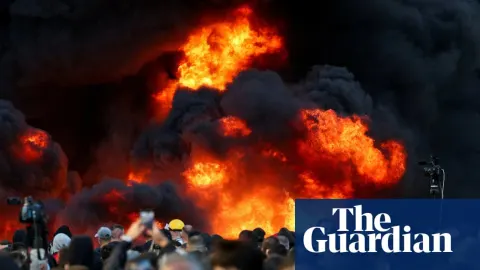
Peace Deal Pricing: Toman Rallies as Trump Claims Sunday Signing While Tehran Tempers Timelines
قیمتگذاری در سایه صلح: جهش ریال در پی ادعای ترامپ برای توافق یکشنبه و احتیاط تهران
The Toman strengthened significantly today as rumors of a finalized peace deal reached a fever pitch, with USD falling 2.4% to 170,400. While Donald Trump claims a deal could be signed this Sunday, Iranian officials are urging caution, suggesting a longer timeline for the historic accord.
At time of publishing
USD
170,400
Toman
Gold 18K
17.41M
Toman / gram
Bitcoin
$63,998
US Dollar
Tether
170,637
Toman
The Diplomacy Discount Hits the Market
Saturday’s trading session in Tehran was defined by a sharp correction in the foreign exchange and gold markets, driven almost entirely by the rapid-fire headlines regarding a potential US-Iran peace deal. The US Dollar moved from 174,600 to 170,400, a 2.4% decline that reflects a market starting to 'price in' the end of the 12-Day War. This volatility was sparked by former President Donald Trump’s claim that a peace agreement would be signed as early as Sunday. However, the optimism was slightly tempered by Iranian Foreign Ministry officials who disputed the immediate timeline, suggesting that while a deal is close, it may take several more days to finalize the technical annexes.
For the average Iranian household, this shift is more than just numbers on a screen; it represents a momentary sigh of relief for the purchasing power of the Toman. When the market moves this quickly on rumors, it often indicates that speculative 'fear money' is exiting the dollar and moving back into local assets or simply waiting on the sidelines. The discrepancy between Trump’s Sunday deadline and Tehran’s more measured approach created a 'wait-and-see' atmosphere toward the end of the night session, preventing the dollar from sliding below the psychological 170,000 mark.

Gold’s Premium Evaporates
The gold market saw even more dramatic movements than the currency desks. The Emami coin fell from 182,000,000 to 175,000,000, a staggering 3.8% drop in a single day. This outsized reaction compared to the dollar’s 2.4% slide highlights the 'bubble' nature of gold coins in times of crisis. In Iran, gold coins often carry a high 'hubab' or premium over their actual gold content due to their ease of liquidity and use as a hedge against war. As the threat of further escalation recedes with the news of a preliminary peace deal, that premium is the first thing to vanish.
Gold 18k followed suit, moving from 17,935,038 to 17,410,314 per gram (-2.9%). This decline occurred despite the global gold price remaining relatively firm at $4,220.30 per ounce. This decoupling shows that domestic sentiment is currently the primary driver of Iranian gold prices, overriding international trends. Investors who bought at the peak of the recent tensions are now facing significant paper losses, a reminder that in the Tehran market, political headlines can destroy value just as quickly as they create it.
The Global Chessboard: Oil and Alliances
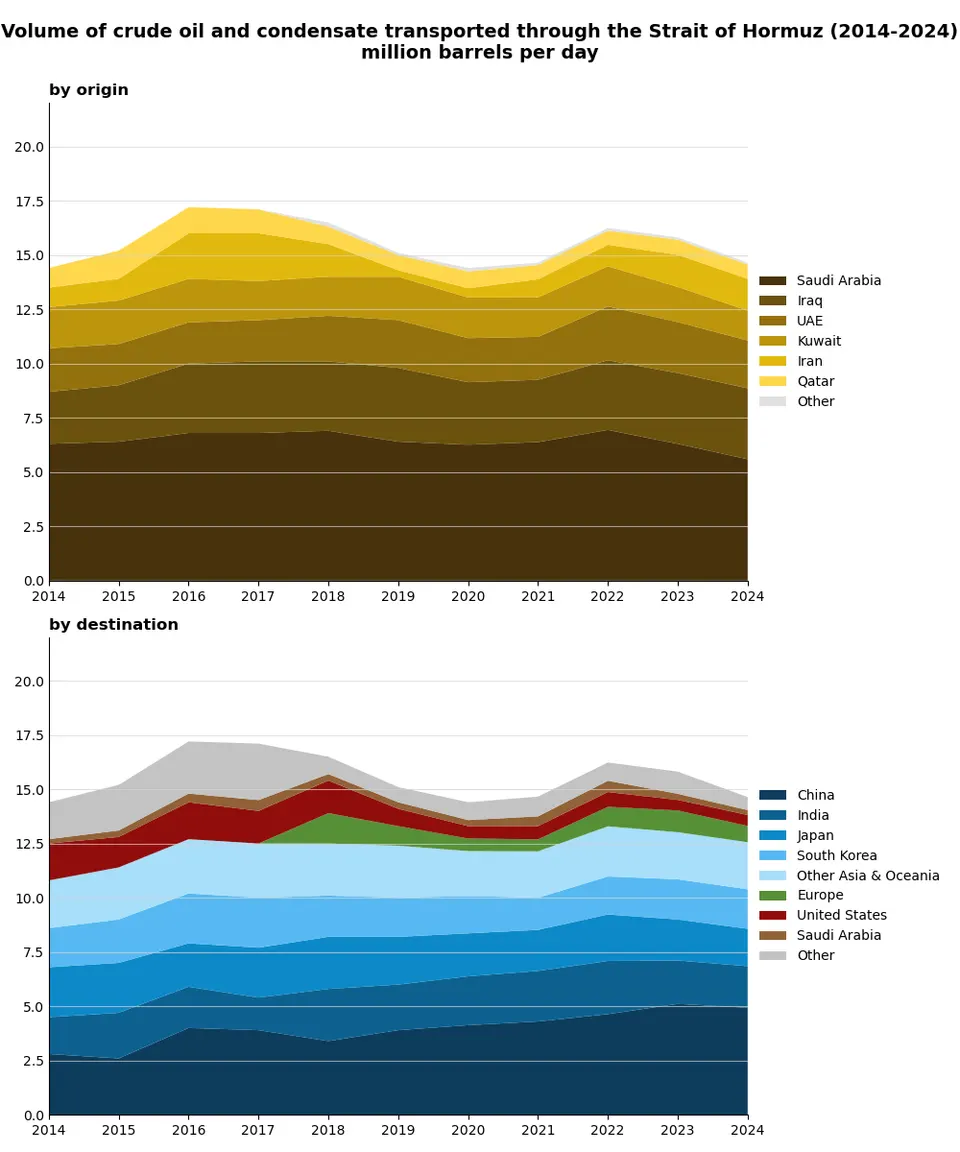
While the local market focused on diplomacy, the global energy landscape continues to shift in ways that will impact Iran’s long-term economic recovery. The United Kingdom has officially set a January 1, 2027, deadline to ban all fuels made from Russian crude, even those refined in third countries. This move closes a major loophole in the sanctions regime and signals a permanent shift in European energy sourcing. For Iran, this is a double-edged sword: while it may increase global demand for non-Russian oil, it also reinforces a world divided into rigid trade blocs.
Furthermore, recent reports highlight a strengthening 'alliance of convenience' between Russia, China, and Iran. This strategic alignment is designed to counter Western economic pressure and has already yielded dividends in terms of trade resilience. Even if a peace deal is signed with the US, these deep-seated structural shifts in how Iran trades with the East are unlikely to reverse. The market must now weigh the short-term 'peace dividend' against the long-term reality of a world where energy exports are increasingly weaponized and geopolitical loyalty defines market access.
Practical Takeaway for the Week Ahead
The current market is entirely headline-driven. With the potential for an 'electronic signing' of a peace deal within the next 24 to 48 hours, the Toman could see further gains, but the risk of a 'sell the news' event is high. If the Sunday deadline passes without a signature, expect a sharp 'rebound' in the dollar as skeptical traders move back in. For those looking to hedge, the narrowing premium on gold coins makes them a more attractive long-term hold than they were 48 hours ago, but caution is advised until the ink on any diplomatic agreement is actually dry.
Frequently Asked Questions
Why did the price of Emami coin fall more than the US Dollar today?
Is the peace deal signing actually happening this Sunday?
How does the UK's ban on Russian oil affect the Iranian economy?
What should investors watch for in the next 24 hours?
The Impact of Geopolitical Events on Currency and Financial Markets
Geopolitical events, ranging from international disputes to peace deals, exert a profound influence on global financial markets, particularly on currency exchange rates and investor sentiment. The immediate rally of the Toman following news of a potential peace deal, even if unconfirmed, perfectly illustrates how markets are highly sensitive to political developments. This sensitivity stems from the fact that geopolitical stability or instability directly impacts a country's economic outlook, perceived risk, and attractiveness for investment.
When a nation moves towards greater political stability or a significant diplomatic breakthrough, such as a peace agreement, it often instills confidence in both domestic and international investors. This increased confidence can lead to an influx of foreign capital, as investors anticipate improved economic conditions, reduced risk, and potentially higher returns. The increased demand for the local currency to facilitate these investments drives up its value, causing it to appreciate against other major currencies. Conversely, political turmoil, sanctions, or prolonged uncertainty tend to deter investment, leading to capital flight and currency depreciation.
This dynamic isn't limited to currency markets; it extends to other asset classes as well. Gold, for instance, is traditionally considered a 'safe haven' asset. During times of heightened geopolitical tension or economic uncertainty, investors often flock to gold as a store of value, driving its price up. However, when the perception of risk diminishes due to positive political developments—like the prospect of a peace deal—the demand for gold as a hedge against instability can decrease. This shift in sentiment can lead to a drop in gold prices, as observed with the Emami coin in the given scenario.
Crucially, financial markets often react not just to concrete events, but also to expectations, rumors, and even mere statements from influential figures. The discrepancy between a leader's claim of an imminent signing and another party's tempering of timelines highlights the speculative nature of market reactions. Traders and investors constantly price in anticipated future events, making decisions based on the latest headlines and political rhetoric. This forward-looking behavior can lead to significant volatility, as market participants adjust their positions in real-time based on evolving geopolitical narratives.
In essence, geopolitical factors are fundamental drivers of financial market dynamics. Understanding how political risk, international relations, and diplomatic developments translate into market movements is critical for anyone seeking to comprehend currency fluctuations, asset pricing, and broader economic trends. It underscores the interconnectedness of politics and economics on a global scale.