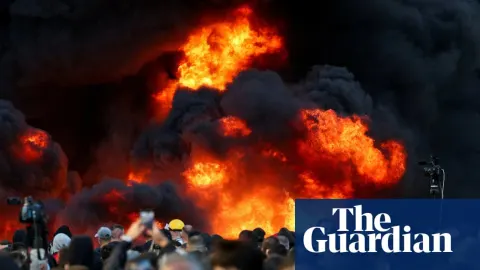
Iran's Currency and Gold Spike Amid Political Tensions
افزایش قیمت ارز و طلا در ایران همزمان با تنشهای سیاسی
The Iranian toman weakened against the US dollar, while gold prices surged. Political developments and global market trends are influencing these shifts, impacting everyday life in Iran.
At time of publishing
USD
172,550
Toman
Gold 18K
16.82M
Toman / gram
Bitcoin
$58,304
US Dollar
Tether
173,300
Toman
What Actually Happened
Today, the Iranian toman experienced a notable depreciation against the US dollar, with the exchange rate moving from 170,450 to 172,550 tomans per dollar, marking a 1.2% increase. This shift reflects a broader trend of currency volatility amid ongoing geopolitical tensions and economic uncertainties. Additionally, the price of gold in Iran has surged, with 18k gold per gram increasing by 1.3%, reflecting a climb from 16,594,025 to 16,816,335 tomans.
The depreciation of the toman is partially attributed to recent political tensions, including discussions between the US and UK governments regarding military conduct and diplomatic relations. Such geopolitical dynamics often lead to increased demand for stable foreign currencies and precious metals as safe-haven assets, driving up their prices domestically.
Why This Matters
For everyday Iranians, the weakening of the toman against major currencies like the US dollar can lead to increased costs for imported goods, influencing inflation rates and purchasing power. The rise in gold prices is a double-edged sword: while it increases the value of existing gold holdings, it also raises the cost of acquiring new gold, which is a popular investment and savings option in Iran.
The market's reaction is also influenced by broader global trends, such as the recent actions by the US Federal Reserve and geopolitical developments involving Iran. These factors contribute to uncertainty in the financial markets, encouraging investors to seek safe-haven assets, thereby impacting local currency and commodity prices.
The Bigger Picture
Looking beyond immediate market movements, these financial shifts highlight the interconnectedness of global and local economies. For instance, the recent purchases of Ethereum by Sharplink, despite the cryptocurrency's downturn, signify confidence in long-term digital asset investments, which indirectly impacts Iranian market sentiment.
Furthermore, ongoing talks in Doha involving Iran and other nations underscore the importance of diplomatic relations in shaping economic stability. These discussions, while not directly affecting currency rates, contribute to the overall atmosphere of economic expectations and investor confidence.

In summary, while today's market trends pose challenges, they also present opportunities for strategic investments and financial planning. Iranians should stay informed about both local and international developments to navigate these economic landscapes effectively.
Frequently Asked Questions
Why did the toman weaken against the USD?
How does a rise in gold prices affect Iranians?
What global factors are influencing Iran's market trends?
How International Sanctions Trigger Currency Depreciation and Boost Gold Prices
When a country faces broad economic sanctions, especially those that restrict access to foreign exchange, its currency often loses value rapidly. Sanctions limit the ability of banks and businesses to obtain hard currencies like the US dollar, creating a shortage of foreign exchange in the domestic market. With fewer dollars available, the price of the local currency (in Iran’s case, the toman or the official IRR) must rise to clear the market, leading to a sharp depreciation of the exchange rate. This process is amplified when the sanctioned nation relies heavily on imports priced in dollars, such as essential goods and technology, because importers must spend more of their local currency to purchase the same amount of foreign goods.
A depreciating currency erodes purchasing power, prompting households and investors to look for assets that can preserve value. Gold has historically served as a “safe‑haven” commodity because it is priced globally in dollars and is not tied to any single nation’s monetary policy. As the local currency falls, the price of gold in toman or IRR terms spikes, even if the international gold price remains stable. In Iran, repeated rounds of U.S. and EU sanctions over the past two decades have produced recurring cycles of rial devaluation and parallel gold price surges, making gold a popular store of wealth for ordinary Iranians.
The mechanism is reinforced by market psychology: expectations of further devaluation encourage more people to convert cash into gold or foreign currency, which in turn fuels the very depreciation they fear. This feedback loop can be observed in the daily “USD/IRR” market, where the official rate and the black‑market rate diverge sharply. The black‑market rate often leads the official adjustments, reflecting real supply‑and‑demand pressures that sanctions create.
Understanding this link helps explain why geopolitical tensions can cause simultaneous spikes in a nation’s exchange rate and gold price. It also illustrates why policymakers sometimes intervene—through capital controls, foreign‑exchange auctions, or temporary price caps—to try to stabilize the currency, though such measures can have limited success when sanctions remain in place.
For further reading, explore the economics of sanctions, currency crises, and gold as a hedge against inflation and political risk.