USD Climbs, Gold Shines: What Iranians Should Watch Next
افزایش دلار و درخشش طلا: چه چیزی را باید دنبال کنیم؟
The US dollar and gold prices surged today, impacting the savings and investments of Iranians. As global trends influence local markets, understanding these shifts is crucial.
At time of publishing
USD
173,850
Toman
Gold 18K
17.20M
Toman / gram
Bitcoin
$60,087
US Dollar
Tether
175,650
Toman
What Actually Happened
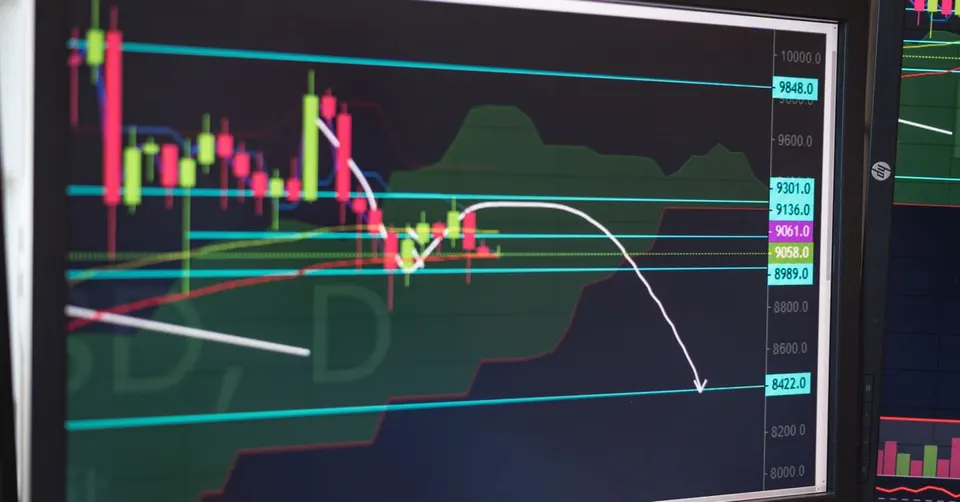
Today's market session in Iran witnessed a notable increase in both the US dollar and gold prices. The USD/IRR exchange rate rose from 172,550 to 173,850, marking a 0.8% increase. Similarly, the price of 18k gold per gram jumped from 16,841,959 Toman to 17,203,010 Toman, a 2.1% rise. Not to be left behind, the Emami coin also saw a 1.7% increase from 171,500,000 Toman to 174,500,000 Toman.
These movements are significant in the context of global economic trends. The surge in gold prices aligns with the traditional view of gold as a safe-haven asset, particularly when uncertainties loom over global markets. Meanwhile, the dollar’s strength can be attributed to various factors, including recent economic policies and geopolitical tensions that have driven demand for the US currency.
Why This Matters
For everyday Iranians, these price changes have direct implications. The rising value of the dollar against the Toman means that imported goods could become more expensive, affecting everything from electronics to everyday groceries. For those holding savings in Toman, the allure of converting to USD might grow stronger as a hedge against further devaluation.
Gold's price increase, while beneficial for those already invested in it, poses a challenge for new buyers looking to enter the market. With gold being a traditional investment and savings vehicle in Iran, these rising prices could impact decisions on where to allocate savings.
The Bigger Picture
Globally, the markets are reacting to a variety of factors. The Federal Reserve’s recent monetary policy decisions have been a major influence. With interest rates in focus, investors are closely watching for cues that might indicate future rate hikes, which traditionally impact gold and currency markets.
Furthermore, geopolitical developments, particularly in the Middle East, continue to influence market dynamics. As Iran navigates its international relations, particularly with the US, these factors will play a crucial role in shaping market confidence and investor sentiment.

For Iranian investors and savers, the key takeaway is to remain informed and cautious. Diversifying investments and staying abreast of both local and global economic indicators will be essential in navigating the potential volatility ahead.
Frequently Asked Questions
Why did the USD/IRR exchange rate increase?
How does the rise in gold prices affect Iranians?
What are the implications of these market changes?
How do global trends influence local Iranian markets?
What should Iranian investors focus on amid these changes?
Understanding Safe-Haven Assets
In times of economic uncertainty, political instability, or market turmoil, investors often seek refuge in what are known as safe-haven assets. These are investments that are expected to retain or even increase in value during periods of market stress, offering a degree of protection against losses in riskier assets. The headline "USD Climbs, Gold Shines" perfectly illustrates this phenomenon, as both the U.S. dollar and gold are quintessential examples of safe havens, frequently sought after when global or regional tensions rise or economic forecasts dim.
Gold has historically been the most recognized safe haven, valued for millennia as a store of wealth and a hedge against inflation and currency devaluation. Its tangible nature and limited supply contribute to its enduring appeal. Similarly, the U.S. dollar often acts as a safe haven due to the sheer size and liquidity of U.S. financial markets, the stability of the U.S. government (despite political disagreements), and its role as the world's primary reserve currency. When geopolitical tensions escalate or central banks like the Federal Reserve signal tighter monetary policy, global capital often flows into dollar-denominated assets, strengthening the USD.
For individuals in countries experiencing high inflation or currency volatility, such as Iran, the concept of safe havens takes on particular significance. With the Iranian Rial often subject to significant depreciation, many Iranians turn to assets like physical gold or foreign currencies, predominantly the U.S. dollar, to preserve their purchasing power. This local demand, combined with international factors like Federal Reserve interest rate hikes (making the USD more attractive) and broader geopolitical concerns, directly influences the USD/IRR exchange rate and domestic gold prices.
It's important to remember that while safe-haven assets offer relative security, they are not entirely risk-free. Their prices can still fluctuate based on supply and demand, interest rate changes, and shifts in market sentiment. However, understanding their role provides crucial insight into why certain assets behave as they do during turbulent times, offering a valuable lens through which to interpret market trends and economic headlines.