USD and Gold Prices Surge as OPEC+ Plans Output Hike
افزایش قیمت دلار و طلا همزمان با برنامه افزایش تولید اوپک+
USD and gold prices have surged amid OPEC+ plans to increase oil production, drawing attention to inflation concerns. This impacts Iranian savings and the broader economic outlook.
At time of publishing
USD
175,050
Toman
Gold 18K
17.66M
Toman / gram
Bitcoin
$61,618
US Dollar
Tether
176,449
Toman
What Actually Happened
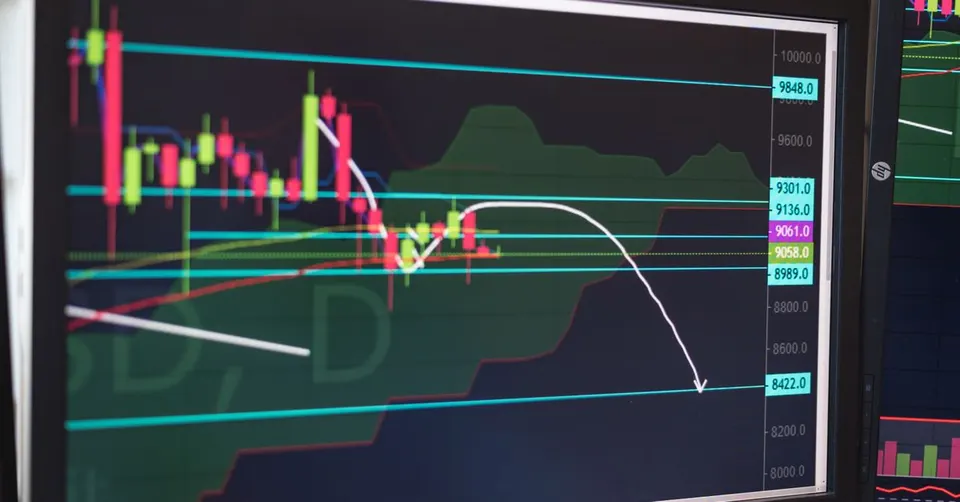
In a noteworthy development, the USD/IRR exchange rate rose from 173,850 to 175,050, marking a 0.7% increase. Simultaneously, gold prices also experienced a significant uptick, with Gold 18k per gram moving from 17,203,010 to 17,660,095, a notable 2.7% rise. This surge in precious metal prices coincided with the Emami coin climbing from 174,500,000 to 177,000,000, a 1.4% increase. These price movements are set against the backdrop of OPEC+ announcing plans to hike oil production quotas, which has traditionally influenced global economic conditions.
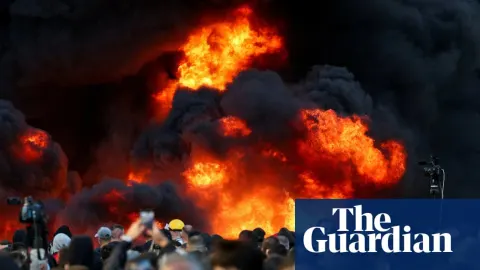
The decision by OPEC+ comes amid a complex geopolitical landscape. Despite the UAE's departure from the organization, the remaining members, including Saudi Arabia and Russia, are moving forward with increasing production. This decision aims to stabilize oil prices that have been volatile due to recent geopolitical tensions, including the aftermath of strikes in the Strait of Hormuz.
Why This Matters
For Iranians, these developments have immediate implications. A rising dollar affects import costs, which can lead to higher prices for everyday goods. This is particularly concerning in a country where inflation is already a major issue. Similarly, the climb in gold prices might offer some relief for those who use it as a hedge against currency devaluation, even as it makes new purchases more expensive.
The broader picture is shaped by regional dynamics, such as OPEC+'s production decisions and geopolitical tensions in the Middle East. As Iran is a key player in the region, any shifts in oil production quotas can have ripple effects on the domestic economy, influencing everything from government revenue to the cost of basic commodities.
The Bigger Picture
Globally, the OPEC+ output hike is being watched closely. Analysts note that while production increases might initially seem poised to lower oil prices, the geopolitical situation remains volatile. The Syrian conflict, as highlighted by the recent bombing in Damascus, continues to pose risks that could disrupt oil supply routes, impacting global markets.
Moreover, the ongoing trial of Yorgen Fenech in Malta, accused of financing a journalist's murder, serves as a stark reminder of the intersection between politics and markets. For Iranian readers, understanding these connections can provide insights into how external legal and political developments might impact local economic conditions, particularly in the context of currency stability and investment security.
As we move forward, keeping an eye on these global trends will be crucial for predicting future market movements and making informed financial decisions.
Frequently Asked Questions
Why did USD and gold prices increase?
How does a rising USD impact Iranians?
What is the significance of OPEC+'s decision?
How do gold price changes affect Iranian savers?
What geopolitical events are influencing these market changes?
The Petrodollar System: How Oil Production Decisions Ripple Through Currencies, Gold, and Inflation
The petrodollar system is a financial arrangement that emerged in the 1970s when major oil‑producing countries agreed to price and sell their crude exclusively in U.S. dollars. In exchange, the United States offered military protection and access to its financial markets. This created a steady global demand for dollars, as oil‑importing nations needed to hold large reserves of the currency to pay for energy, reinforcing the dollar’s status as the world’s primary reserve currency.
When OPEC+ decides to adjust oil output, it directly influences the price of crude. A production cut typically pushes oil prices higher, increasing the amount of dollars required by importers and often strengthening the USD against other currencies. Conversely, an output hike, like the one currently being discussed, can depress oil prices, reduce dollar demand, and sometimes lead to a weaker dollar. Because gold is priced in dollars, a falling dollar often makes gold cheaper for holders of other currencies, spurring demand and driving up gold prices globally.
For countries like Iran, which face U.S. sanctions and a volatile USD/IRR exchange rate, these dynamics are especially critical. A weaker dollar can ease some pressure on the rial, but lower oil revenues—stemming from reduced global oil prices—can exacerbate fiscal deficits, fueling inflation. Iranians frequently turn to gold and, increasingly, to cryptocurrencies as hedges against inflation and currency devaluation, linking global commodity trends to domestic financial behavior.
Understanding the petrodollar mechanism helps explain why a seemingly technical decision by OPEC+ can trigger a cascade: from USD strength, to gold price spikes, to inflationary pressures in economies heavily dependent on oil imports or subject to sanctions. It also illustrates how geopolitics, energy policy, and financial markets are tightly interwoven in today’s global economy.