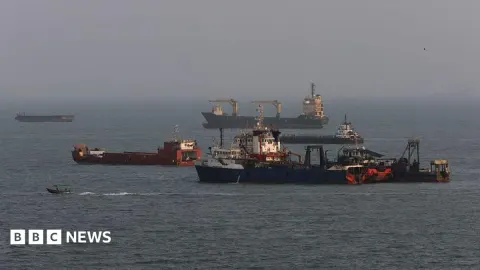
Toman Slumps 2.3% as Iran Claims Hormuz Ship Attacks and IAEA Tension Escalates
جهش ۲.۳ درصدی دلار در پی ادعای حملات دریایی و تشدید تنشها در آژانس انرژی اتمی
The Iranian Toman faced a sharp sell-off today, with USD climbing to 234,400 as geopolitical tensions reached a boiling point. Between naval clashes in the Persian Gulf and a diplomatic standoff at the IAEA, markets are pricing in a high-risk environment.
At time of publishing
USD
234,400
Toman
Gold 18K
24.44M
Toman / gram
Bitcoin
$78,835
US Dollar
Tether
234,209
Toman
The Toman Under Pressure: USD Breaches 234,000
The Iranian currency market experienced a volatile session on Wednesday, September 9, 2026, as the US Dollar moved from 229,100 to 234,400 Toman, marking a significant 2.3% increase in a single day. This surge reflects a growing sense of panic among local traders who are reacting to a rapid escalation in regional military activity. Gold prices followed suit even more aggressively, with 18k gold jumping from 23,662,218 to 24,442,495 Toman per gram, a 3.3% rise that signals a flight to safety as the domestic economic outlook darkens. The Emami coin also saw a substantial 3.0% increase, moving from 235,000,000 to 242,000,000 Toman.
For the average Iranian family, these numbers are not just statistics; they represent a direct hit to purchasing power and a warning of further inflation. When the dollar jumps over 5,000 Toman in 24 hours, the cost of imported goods, from electronics to essential medicines, inevitably follows. The market's behavior suggests that the 'wait-and-see' approach of previous weeks has been replaced by a rush to convert liquid Toman into hard assets. This is exacerbated by reports of oil prices breaching the $100 mark, which, while theoretically good for state revenue, often correlates with heightened sanctions enforcement and logistical blockades that starve the local market of foreign exchange.

Geopolitical Deadlock: IAEA and the Strait of Hormuz
The primary driver of today's market anxiety is the dual-threat of diplomatic isolation and maritime conflict. Iranian state media reported today that Tehran has claimed to have attacked 10 ships near the Strait of Hormuz in retaliation for the US sinking five Iranian tankers. This claim, which remains a focal point of international concern, has effectively turned the Persian Gulf into a high-risk zone, pushing global Brent crude above $100 per barrel. Investors view these naval clashes as a sign that the six-month-long shadow war is entering a more direct and destructive phase, threatening the very shipping lanes that facilitate Iran's limited trade.
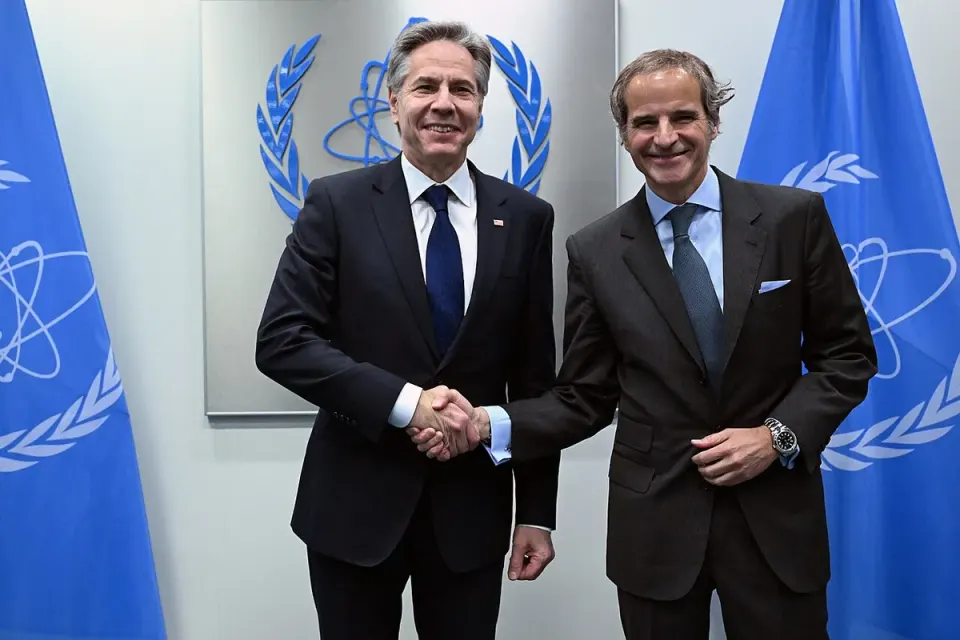
Simultaneously, the diplomatic front offers little relief. Iran, along with Russia and China, has rejected a draft resolution at the IAEA Board of Governors presented by the US and the E3 (Britain, France, and Germany). While the Iranian government labeled the resolution 'baseless,' the market interprets this defiance as a precursor to more stringent international sanctions. The rejection of the IAEA resolution suggests that a return to nuclear diplomacy is further away than ever, leaving the Toman without its traditional 'relief valve' of expected sanctions removal. This diplomatic friction, combined with the UK's recent sanctions on West Bank settlements which have further inflamed regional tempers, creates a perfect storm of geopolitical risk.
Global Ripples: Bonds, Oil, and the 4% Inflation Warning
Beyond the immediate borders, global financial shifts are adding weight to the Toman's collapse. US Treasury Secretary Scott Bessent announced a $6 billion debt buyback to stabilize the US bond market after yields hit their highest levels since 2008. The fact that US bonds—historically the safest assets—are being 'spooked' by the war in Iran illustrates how deeply this regional conflict is integrated into global macroeconomics. For Iranians, a stronger US dollar and higher global yields mean that even if domestic issues were resolved, the external environment remains hostile to currency stability.
Furthermore, the Bank of England has issued a stern warning that the ongoing war in Iran could push UK inflation above 4% due to rising energy costs. This highlights a critical feedback loop: as the conflict drives up oil prices, global inflation rises, leading central banks to keep interest rates high, which in turn strengthens the USD against emerging and frontier currencies like the Toman. Even banking giants like JP Morgan are feeling the heat, with CEO Jamie Dimon warning against tax hikes that could stifle investment amidst this global uncertainty. For the Iranian reader, the takeaway is clear: the current market volatility is not a localized glitch but a symptom of a global realignment where the Toman is the most vulnerable link.
Frequently Asked Questions
چرا قیمت طلا بیشتر از دلار رشد کرده است؟
رد قطعنامه در شورای حکام چه تأثیری بر قیمتهای هفته آینده دارد؟
آیا قیمت ۱۰۰ دلاری نفت به نفع ریال خواهد بود؟
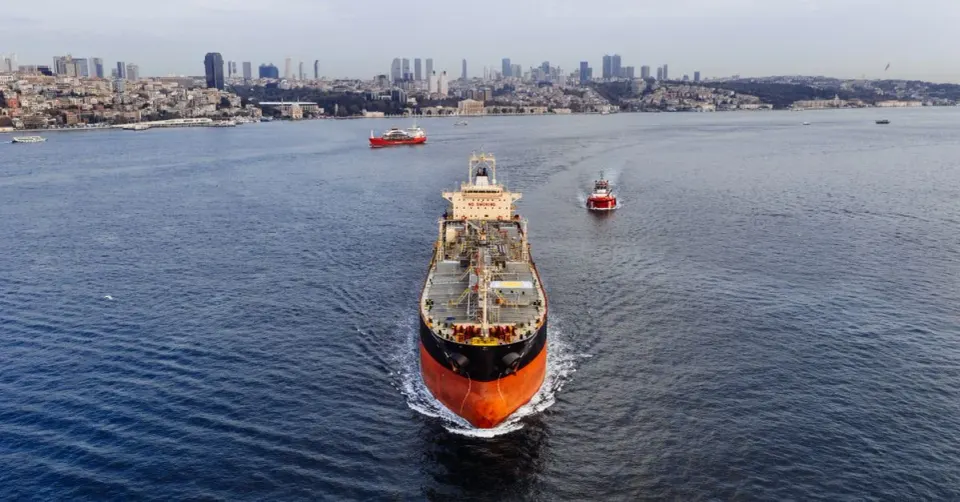
Geopolitical Risk: The Strait of Hormuz and its Global Economic Ripple Effect
Geopolitical risk, a term often heard in financial news, refers to the potential for political events and conflicts to disrupt global markets and economies. When tensions escalate in strategically vital regions, the economic ramifications can be profound and far-reaching. A prime example of such a critical area is the Strait of Hormuz, a narrow waterway connecting the Persian Gulf to the open ocean, which serves as the world's most important oil transit chokepoint.
Roughly one-fifth of the world's total petroleum consumption, and a significant portion of its liquefied natural gas, passes through the Strait of Hormuz daily. Any disruption, perceived or real, due to military confrontations, political disputes, or attacks on shipping in this strait, immediately sends jitters through global energy markets. The immediate consequence is often a sharp increase in crude oil prices, as traders anticipate supply shortages and higher insurance costs for tankers.
These oil price spikes then ripple through the global economy. For oil-importing nations, higher energy costs translate into increased production expenses for businesses, higher transportation costs for goods, and ultimately, higher prices for consumers – a phenomenon known as inflation. Currencies of countries heavily reliant on oil imports or those facing internal economic instability, like the Iranian Toman mentioned in the headline, can depreciate rapidly as capital flees to safer assets or as the cost of imports rises.
Conversely, even oil-exporting nations can face challenges. While initially benefiting from higher oil revenues, they are not immune to the inflationary pressures of global markets or the instability that geopolitical conflicts can create. The interconnectedness of modern economies means that a crisis in one region, especially one involving critical resources like oil, quickly becomes a global concern, impacting everything from central bank policies to consumer purchasing power worldwide.
Topics
Related Articles