Diplomatic Firestorm & Border Tensions: Toman Slides to 229,000 as Middle East Risks Resurface
طوفان دیپلماتیک و زنگ خطر در مرزها: دلار به مرز ۲۲۹ هزار تومان رسید
A sharp escalation in regional tensions, from the UK-Israel diplomatic break to renewed Saudi-Houthi hostilities, has pushed the Toman down 2.1% today. With gold surging nearly 3%, Iranian investors are rapidly shifting toward safe-haven assets as geopolitical uncertainty peaks.
At time of publishing
USD
229,000
Toman
Gold 18K
23.65M
Toman / gram
Bitcoin
$78,544
US Dollar
Tether
227,698
Toman
The Geopolitical Powder Keg
Today's market session was dominated by a sharp escalation in regional and international tensions that directly impacted the Iranian Rial's stability. The most striking development came from Jerusalem, where Israel ordered the closure of the British consulate in response to sweeping UK sanctions against illegal settlements. This diplomatic firestorm, coupled with Foreign Minister Gideon Sa'ar's ban on several British MPs, has signaled a deepening rift between Western powers and Israel, creating an atmosphere of unpredictability that often translates into currency volatility in the Middle East. For Iranian traders, any disruption in the status quo of regional alliances acts as a catalyst for hedging against the Rial.
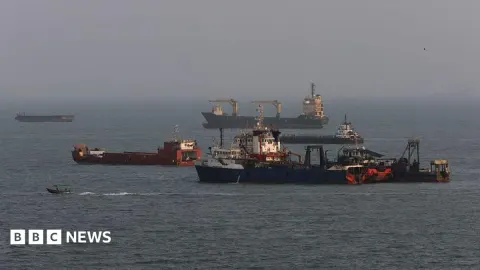
Simultaneously, the situation on the Arabian Peninsula has taken a turn for the worse. Saudi Arabia and Yemen’s Houthis are reportedly edging back to the brink of full-scale war after dozens were injured in recent attacks. The Saudi government's vow to retaliate has reignited fears of a broader conflict that could once again threaten energy infrastructure and shipping lanes in the Persian Gulf. These dual crises—diplomatic in the Levant and military in the Gulf—have converged to create a 'risk-off' sentiment, driving the demand for hard currency and gold to new heights during the Tuesday night session.

Toman and Gold: The Flight to Safety
The domestic market responded to these external shocks with immediate and visible volatility. The US Dollar moved from 224,200 to 229,000 Toman, marking a significant 2.1% depreciation of the national currency in just 24 hours. This move reflects more than just economic fundamentals; it is a psychological reaction to the threat of regional instability. When geopolitical lines are redrawn or military threats are issued, the Iranian market traditionally seeks refuge in the 'Greenback,' and today was no exception. The buy-sell spread remains tight, indicating high liquidity and a sense of urgency among retail buyers.
Gold markets mirrored this anxiety with even greater intensity. Gold 18k per gram rose from 23,011,219 to 23,650,676 Toman, a substantial 2.8% jump. The Emami coin followed suit, climbing from 230,000,000 to 235,000,000 Toman (+2.2%). This surge is particularly notable because it occurred despite a relatively stable global gold price, which currently sits at $4,395 per ounce. The 'Tehran premium' on gold is expanding as investors prioritize physical assets that can withstand potential banking disruptions or sudden currency devaluations. For the average Iranian household, this price movement represents a rapid erosion of purchasing power, making the cost of hedging increasingly expensive.
Crypto and the Global Macro Context
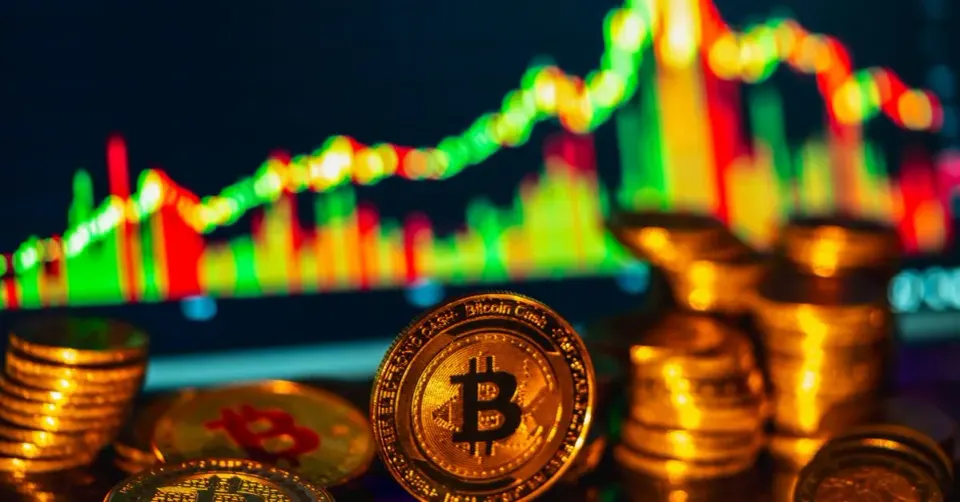
While Tehran focused on regional borders, the global stage saw Bitcoin testing a critical support level. BTC is currently trading at $78,544, having faced a key test at the $78,300 mark as Wall Street opened. The correlation between traditional risk assets and crypto remains strong; as US stocks faced pressure from trade war rhetoric—specifically Trump’s threats against Canadian firms like Bombardier—Bitcoin also saw a brief dip. However, for Iranian crypto enthusiasts, the price of Tether (USDT) at 227,698 Toman remains the more relevant metric, acting as a bridge between the local currency's fall and the global digital asset rally.
Furthermore, the energy sector is bracing for the fallout of a potential U.S.-Saudi nuclear deal, which recently cleared a hurdle in Vienna. While the deal aims for civilian cooperation, the geopolitical implications of a nuclear-capable Riyadh, even under IAEA supervision, add another layer of complexity to the regional balance of power. As oil prices hover near three-month highs due to the Houthi-Saudi escalation, the global inflationary pressure is likely to persist. For the Iranian reader, the takeaway is clear: the current market volatility is not a localized glitch but a reflection of a world adjusting to aggressive trade policies, shifting diplomatic alliances, and the ever-present threat of regional conflict.
The Takeaway for Iranians
The convergence of a 2.1% jump in the Dollar and a 2.8% surge in Gold suggests that the market has entered a high-alert phase. Tomorrow's opening session will be critical; if the $78,300 support for Bitcoin holds and regional headlines do not worsen, we may see a brief consolidation. However, with the Saudi-Houthi conflict on a knife-edge and the UK-Israel diplomatic rift widening, the bias remains toward further Rial weakness. Investors should exercise caution and avoid FOMO (fear of missing out) at these local peaks, while keeping a close eye on the Tether-to-Toman rate as a leading indicator of overnight sentiment.
Frequently Asked Questions
چرا تنش بین بریتانیا و اسرائیل بر قیمت دلار در ایران تأثیر میگذارد؟
آیا ریزش بیتکوین به زیر ۷۸,۳۰۰ دلار بر بازار ایران تأثیر دارد؟
دلیل جهش بیشتر طلا نسبت به دلار در بازار امروز چه بود؟
The Economic Shadow of Geopolitical Risk
Geopolitical risk refers to the potential for political events, conflicts, or instability between nations or within regions to significantly impact global economic stability. This encompasses a wide range of scenarios, from border tensions and diplomatic disputes to full-scale military conflicts, sanctions, and changes in international alliances. The keywords "Middle East geopolitical risk," "Saudi Houthi war news," and "UK Israel sanctions" all point to specific manifestations of such risks, highlighting the volatile nature of the region and its potential to send ripples through financial markets.
When geopolitical tensions escalate, investor confidence typically erodes. International investors become hesitant to commit capital to affected regions, fearing asset confiscation, supply chain disruptions, or reduced market access. Domestic investors, too, may seek to move their wealth to perceived safer havens abroad, leading to capital flight. This outflow of funds directly weakens the national currency, as demand for the local currency diminishes while demand for foreign currencies (to facilitate capital flight) increases. The headline's mention of the "Toman Slides to 229,000" is a direct illustration of this phenomenon, where heightened regional instability is translating into a significant depreciation of Iran's national currency.
The depreciation of a currency due to geopolitical risk has several profound economic consequences. It makes imports more expensive, potentially fueling inflation, especially for countries reliant on imported goods like food, medicine, or raw materials. Conversely, it can make exports cheaper, though this benefit is often overshadowed by the broader economic disruption. Domestically, citizens experience a reduction in their purchasing power, and their savings held in the local currency lose value. This often drives a rush towards "safe-haven" assets such as gold, stable foreign currencies (like the USD), or even cryptocurrencies, as people seek to protect their wealth from further erosion – a trend reflected in keywords like "Gold price Tehran today" and "Bitcoin price support."
This cycle of geopolitical instability, currency depreciation, and the flight to safe assets underscores the intricate link between global politics and everyday economic realities. Understanding this dynamic is crucial for interpreting market movements and anticipating the broader impact of international events on national economies and personal finances.