
Red Sea Siege: Houthis Seize Mokha Port as Toman Finds Fragile Stability at 234k
سقوط بندر استراتژیک المخا؛ پیشروی حوثیها در دریای سرخ و آرامش شکننده دلار در مرز ۲۳۴ هزار تومان
The seizure of Mokha port by Houthi forces has sent shockwaves through global shipping lanes, yet the Toman held steady with a slight 0.3% recovery. As oil inventories drop and US political rhetoric heats up, Iranian investors are navigating a complex mix of regional war risks and global energy shifts.
At time of publishing
USD
234,900
Toman
Gold 18K
24.16M
Toman / gram
Bitcoin
$77,260
US Dollar
Tether
234,811.678
Toman
The Siege of Mokha: A Strategic Shift in the Red Sea
The seizure of the historic port of Mokha by Houthi forces—longtime allies of the Iranian government—marks a significant escalation in the regional conflict. By routing Yemeni government forces, the militia now sits at a critical vantage point overlooking the Bab al-Mandab Strait. This isn't just a local victory; it is a direct threat to the primary artery of global trade through which millions of barrels of oil and thousands of containers pass daily. For everyday Iranians, this development is a double-edged sword. While state media may frame it as a strategic win for the 'Axis of Resistance,' the market views it through the lens of risk. Increased tension in the Red Sea typically leads to higher shipping insurance premiums and supply chain delays, which eventually manifest as higher prices for imported goods in Tehran's Grand Bazaar.
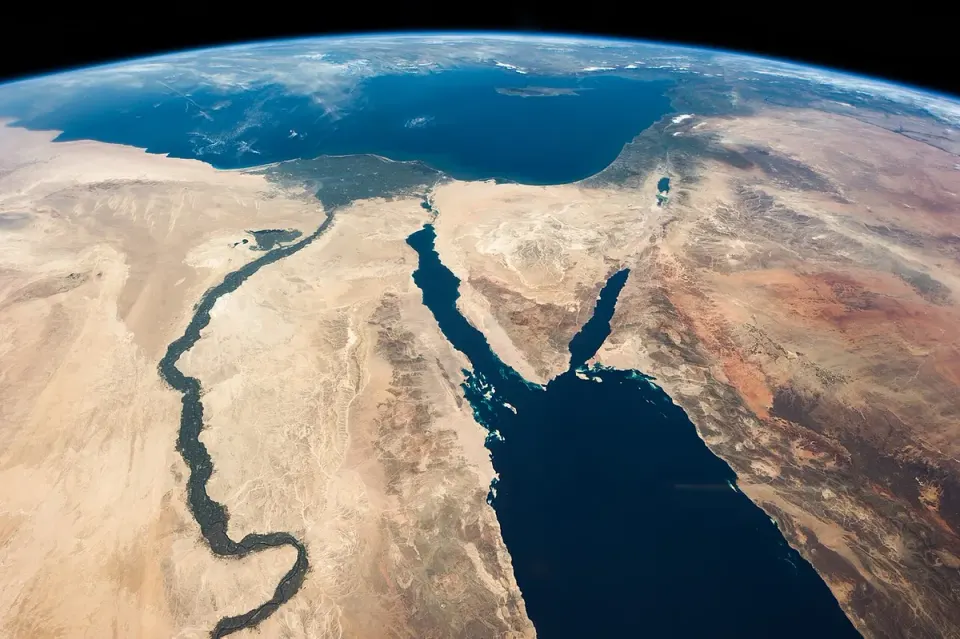
Beyond the immediate tactical gains, the fall of Mokha signals that the conflict is entering a more aggressive phase. This geographic expansion by the Houthis puts them in a stronger position to harass commercial shipping, a move that historically triggers a flight to safety in the Iranian markets. When the Bab al-Mandab is threatened, the 'fear index' in the local currency market tends to spike. However, the market's reaction today was unexpectedly muted, suggesting that much of this geopolitical friction has already been priced in by savvy traders who have spent years navigating similar escalations.
Market Reaction: A Slight Breath After the Storm
Despite the heat in the Red Sea, the Toman saw a minor correction during today's session. The USD moved from 235,500 to 234,900, representing a modest -0.3% dip. This slight strengthening of the Toman suggests a temporary exhaustion of the recent buying spree. Gold, however, took a significantly harder hit. The price of 18k gold fell from 24,442,495 to 24,158,548 Toman per gram, a drop of -1.2%. This divergence between the currency and gold is notable; it often indicates that local investors are liquidating gold positions to cover margin calls or moving into more liquid digital assets like Tether (USDT), which traded at 234,812 Toman today.
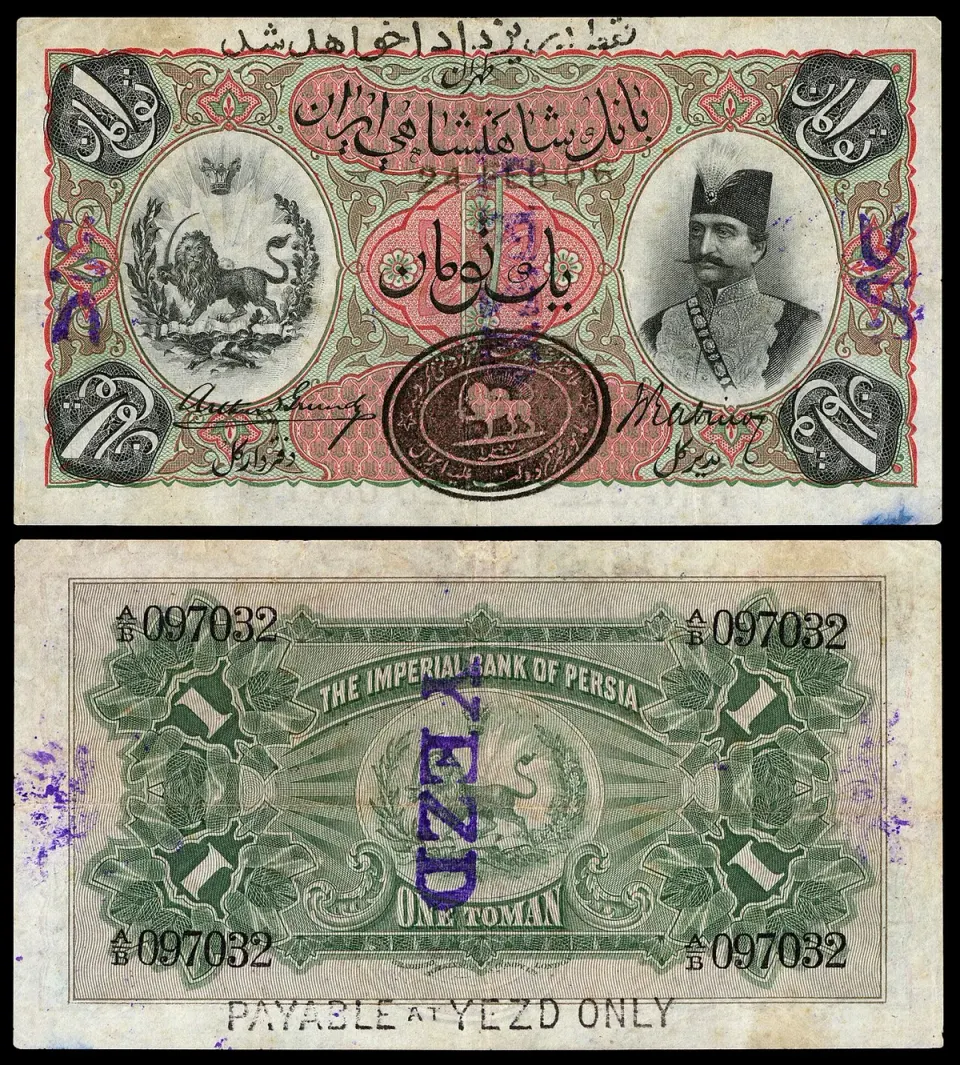
The Emami coin followed the downward trend, moving from 242,000,000 to 241,000,000 Toman (-0.4%). While these percentages might seem small, in a market as leveraged as Iran's, they represent billions in shifting capital. The cooling of gold prices despite rising regional tensions might be attributed to the global gold market, where the ounce stands at a staggering $4,363.70. High global prices often lead to 'price fatigue' among local buyers, who may find the current levels unsustainable for new entries. For the average Iranian family looking to preserve their savings, this dip offers a minor window of relief, though the underlying inflationary pressures remain firmly in place.
The American Shadow: Elections, Oil, and Policy Shifts
As the U.S. midterms approach, the 'Iran Factor' has become a central pillar of American political discourse. Donald Trump and his allies are increasingly tying the ongoing regional conflicts to the domestic economy, with some candidates even proposing radical domestic reforms like the abolition of the California DMV to signal a broader war on 'bloated bureaucracy.' While the DMV might seem irrelevant to a trader in Tehran, the underlying sentiment—a return to aggressive, populist 'America First' policies—suggests that the window for any diplomatic easing of sanctions is firmly shut. This political climate ensures that the 'Sanctions Risk' remains a permanent fixture in the Toman's valuation for the foreseeable future.
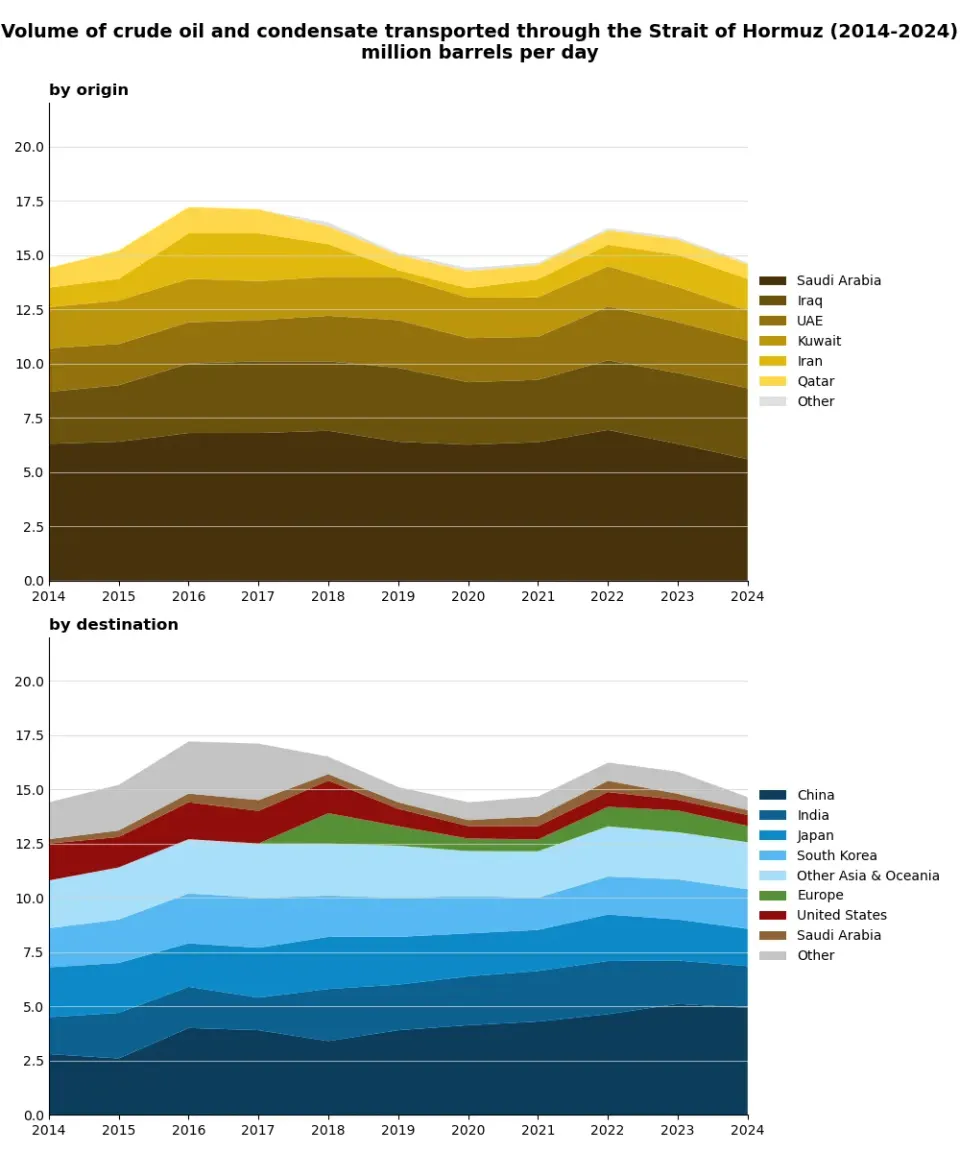
Adding fuel to the fire is the global energy market. U.S. crude inventories fell by 400,000 barrels this week, according to the EIA, sending Brent prices higher. For Iran, higher oil prices are a double-edged sword: they theoretically increase the government's shadow revenue, but they also stiffen the resolve of international regulators to enforce price caps and sanctions to prevent that revenue from funding regional proxies. As we look toward tomorrow, the key level to watch for USD/IRR is the 235,000 resistance. If the Red Sea conflict widens further, expect the Toman to test new lows as the 'security premium' outweighs any minor technical corrections we saw today.
Frequently Asked Questions
چرا با وجود درگیری در دریای سرخ، قیمت دلار امروز کاهش یافت؟
تصرف بندر المخا چه تأثیری بر معیشت مردم در ایران دارد؟
آیا ریزش ۱.۲ درصدی طلا فرصت خرید است؟
Maritime Chokepoints and Global Supply Chain Vulnerability
Maritime chokepoints are narrow channels or straits along widely used global sea routes that are critical for international trade, especially for the transportation of oil and other goods. These geographical bottlenecks, such as the Strait of Hormuz, the Suez Canal, and crucially, the Bab al-Mandab Strait, concentrate a vast volume of global commerce through relatively small areas. The Bab al-Mandab, connecting the Red Sea to the Gulf of Aden, is particularly vital as it serves as the gateway to the Suez Canal for ships traveling between Asia and Europe, making it one of the world's most strategic waterways.
Disruptions at these chokepoints, whether due to geopolitical conflicts, piracy, or blockades like the recent Houthi actions in the Red Sea and port seizures, create significant risks to global trade. When these routes become unsafe or impassable, shipping companies are forced to reroute vessels, often around the longer and more costly Cape of Good Hope. This leads to increased transit times, higher fuel consumption, and substantial hikes in shipping insurance premiums, all of which translate into higher operational costs for businesses worldwide.
The economic ripple effects of such disruptions are far-reaching. Increased shipping costs and delays contribute to inflationary pressures on consumer goods as supply chains become less efficient and more expensive. For energy markets, the rerouting of oil and gas tankers can lead to supply shortages and volatility in global energy prices. Even national currencies, like the Iranian Toman mentioned in the headline, can be indirectly affected, as a country's ability to conduct international trade efficiently impacts its balance of payments, foreign exchange reserves, and overall economic stability.
Given their indispensable role in global commerce and energy security, maritime chokepoints are often flashpoints for geopolitical tensions and conflicts. Their security is a major concern for global powers and international organizations, who recognize that maintaining open and safe passage through these vital arteries is paramount for global economic stability. Understanding the vulnerability of these chokepoints is key to appreciating the interconnectedness of global trade and the profound impact regional conflicts can have on the world economy.
Topics
Related Articles