Toman Gains Ground Despite Regional Heat: The Paradox of Iran’s 'Escalation Strategy'
عقبنشینی دلار در اوج تنش؛ پارادوکس «راهبرد تنشزای» تهران در بازار ارز
While headlines scream about pipeline attacks and strategic leverage, the Toman actually strengthened today with the USD dropping 1.3%. We break down why markets are cooling despite the heat of regional escalation and what the internal resistance in Parliament says about Iran's economic future.
At time of publishing
USD
234,500
Toman
Gold 18K
23.86M
Toman / gram
Bitcoin
$77,273
US Dollar
Tether
232,665
Toman
The Toman’s Surprising Breather
In a market that has been defined by relentless upward pressure, Saturday’s session offered a rare moment of cooling. The US Dollar moved from 237,500 to 234,500 Toman, marking a 1.3% decline that caught many speculative traders off guard. This correction was even more pronounced in the gold market, where 18k gold dropped from 24,412,484 to 23,858,442 Toman per gram, a significant 2.3% slide. Despite the global gold ounce hovering at a staggering $4,349.70, the local market seems to be undergoing a technical correction, perhaps exhausted by the recent volatility or reacting to a temporary saturation of demand.
For everyday Iranians, this dip is a double-edged sword. While it provides a momentary relief for those looking to preserve their purchasing power, the underlying causes remain volatile. The Emami coin also followed the downward trend, moving from 241,000,000 to 239,500,000 Toman (-0.6%). This suggests that while the 'panic buying' phase has slowed, the floor for these assets remains substantially higher than it was just a month ago. The market is effectively holding its breath, waiting to see if the current geopolitical 'leverage' claimed by Tehran will translate into actual economic stability or further isolation.

Geopolitics as a Market Lever
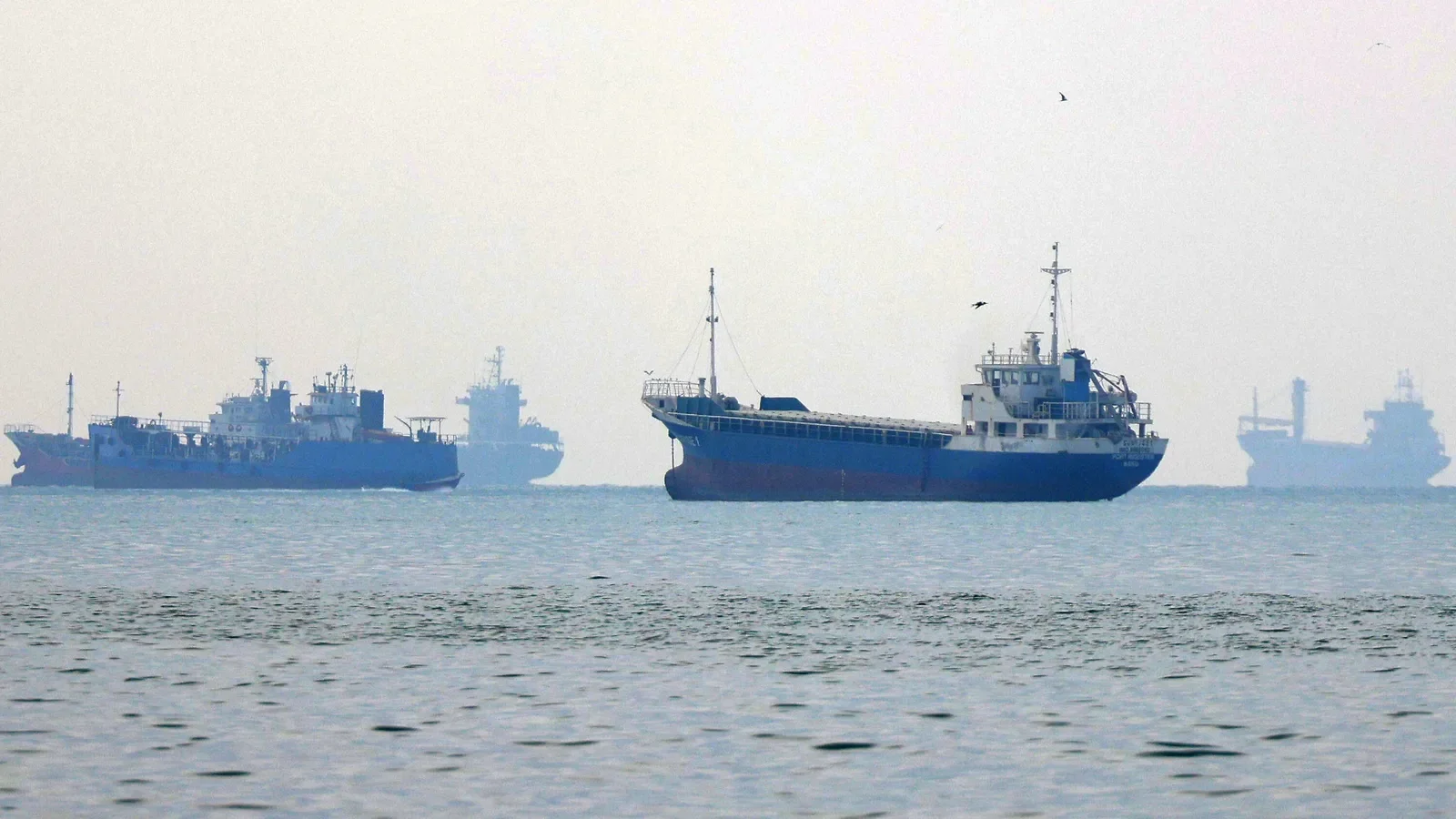
The driving force behind the news cycle today is a report suggesting that Tehran has found 'escalation' to be a fruitful path to leverage in its ongoing friction with the U.S. and its allies. By holding sway over key oil shipping routes—including the Persian Gulf and the Red Sea—Tehran is reportedly setting the stage for a diplomatic win. This narrative is bolstered by the drone attack from Iraq that forced Saudi Arabia to close its East-West pipeline, a critical workaround to the Strait of Hormuz. When Saudi Arabia’s oil 'lifeline' is threatened, global energy markets shudder, but the local Iranian market often reacts with a complex mix of fear and a hope for 'sanctions relief' through strength.
However, this 'fruitful escalation' comes with a high price tag for the domestic economy. While the government may gain leverage at the negotiating table, the risk premium on the Toman remains high. Investors are watching the 'leverage' strategy closely: if it leads to a breakthrough in sanctions, the Toman could see a sustained recovery. If it leads to further military friction, today's 1.3% drop in USD will be remembered as a mere blip before a much larger surge. The market is currently pricing in the possibility of a diplomatic pivot, but the lack of concrete progress keeps the sentiment cautious.

The Internal Battle for the 'Outside World'
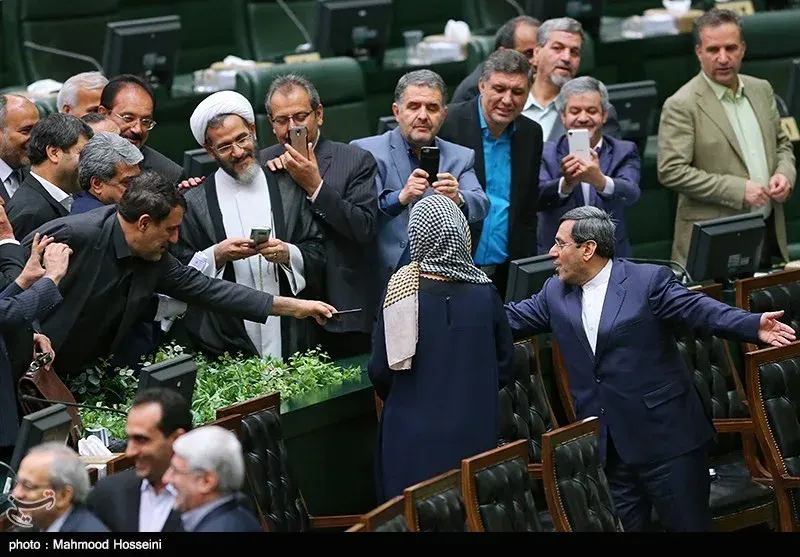
Beyond the headlines of drones and pipelines, a more subtle but equally important battle is being waged in the Iranian Parliament. Lawmakers are currently debating a security crackdown bill aimed at policing Iranians' contact with the outside world. Interestingly, this legislation is running into resistance from within the system. Parliament Speaker Mohammad Baqer Qalibaf is performing a delicate balancing act, defending the need for 'security' while warning against the extremes of the current draft. This internal friction is a signal to the markets that even within the halls of power, there is an understanding that total isolation is economically suicidal.
For the fintech and tech-savvy sectors in Iran, this debate is crucial. Any law that further restricts international digital or financial contact directly impacts the ability of businesses to operate and for individuals to access global markets like crypto. While global markets see corporate moves like Plexus director Karen Rapp selling shares or BioMarin’s 5% jump after a patent settlement as signs of a healthy, transparent ecosystem, Iran remains mired in legislative uncertainty. The takeaway for the reader is clear: the Toman’s value is currently tied as much to internal political debates about 'openness' as it is to the price of oil or regional drone strikes.
Frequently Asked Questions
چرا با وجود تنشهای منطقهای، قیمت دلار و طلا امروز کاهش یافت؟
حمله به خط لوله شرق به غرب عربستان چه تأثیری بر بازار ایران دارد؟
مقاومت در مجلس برابر لایحه امنیتی جدید چه اهمیتی برای معاملهگران دارد؟
Dual Exchange Rate Systems – Why Iran Has Two Parallel Currency Markets
In many sanction‑hit economies, the government maintains an official exchange rate while a parallel market (often called the “free market” or “black market” rate) floats according to supply and demand. Iran is a textbook case: the state‑run Central Bank publishes an official rate for the Iranian rial (IRR) against the US dollar, but because foreign‑currency inflows are tightly controlled, a separate market emerges where traders quote a much higher price for dollars. The gap between the two rates can widen dramatically after new sanctions, political shocks (such as the Saudi East‑West pipeline attack), or domestic policy moves like the “escalation strategy” that seeks to leverage higher oil revenues.
The dual‑rate arrangement has several consequences. First, it creates arbitrage opportunities for those who can move money between the official and market channels, often leading to corruption and capital flight. Second, it distorts price signals: imports priced at the official rate become artificially cheap, while domestic producers who need foreign inputs face the harsher market rate, squeezing profit margins. This distortion is reflected in the gold market—Iranian investors turn to gold as a hedge, pushing Tehran’s gold price toward the 18,000‑Rial mark even as the official dollar rate remains lower.
A “technical correction” in the Toman (the colloquial name for the rial after a 2020 redenomination) usually signals that the market rate is adjusting to new fundamentals, such as a partial sanctions relief expected in 2026. When the official rate is de‑valued to narrow the gap, the market often reacts faster, causing short‑term volatility but also a potential convergence over time. Understanding the dual‑exchange system helps explain why the Toman can appear to “gain ground” in headlines while the underlying macro‑economy remains under pressure.
For policymakers, the challenge is to unify the rates—either by liberalising the foreign‑exchange market or by tightening controls to eliminate the parallel market. Both paths have trade‑offs: liberalisation can attract foreign investment but may also accelerate capital outflows; tighter controls can preserve reserves but risk deeper market distortions and public mistrust. The Iranian experience offers a vivid illustration of how exchange‑rate architecture shapes inflation, investment, and everyday purchasing power.
Key takeaway: A dual exchange‑rate system is not just a technical quirk; it is a powerful mechanism that can amplify the impact of sanctions, drive asset‑price bubbles (like gold), and shape the political economy of a country facing external pressure.