Toman Recovers as Geopolitical Tensions Ease; Sweden Election Looms
تومان با کاهش تنشهای ژئوپلیتیکی احیا شد؛ انتخابات سوئد در پیش است
The Iranian Toman saw a welcome rebound today, shedding 2.0% against the US Dollar, as regional tensions appeared to de-escalate. Meanwhile, the outcome of Sweden's general election, with a close race and the far-right eyeing a role in government, adds a layer of global uncertainty.
At time of publishing
USD
229,200
Toman
Gold 18K
23.42M
Toman / gram
Bitcoin
$77,297
US Dollar
Tether
227,497
Toman
Toman Stages a Comeback Amidst Shifting Geopolitics
The Iranian Toman experienced a significant turnaround in today's trading session, recovering ground against the US Dollar. The sell rate for USD fell from an earlier high to 229,200 Toman, marking a 2.0% appreciation for the national currency. This move suggests a palpable easing of regional anxieties that have been weighing on the Toman in recent days. While specific catalysts were not immediately clear, the general sentiment appears to be one of reduced geopolitical risk, which typically bolsters confidence in emerging market currencies like the Toman.
This recovery is a much-needed respite for ordinary Iranians who have been grappling with the persistent depreciation of their currency. Each percentage point gained by the Toman translates to lower import costs for essential goods, potentially easing inflationary pressures on household budgets. The current buy rate for USD at 227,844 Toman indicates a more stable, albeit still volatile, trading environment. The market will be watching closely to see if this positive momentum can be sustained in the coming sessions, particularly in light of global economic undercurrents.
---
Global Uncertainty Looms as Sweden Heads to Polls
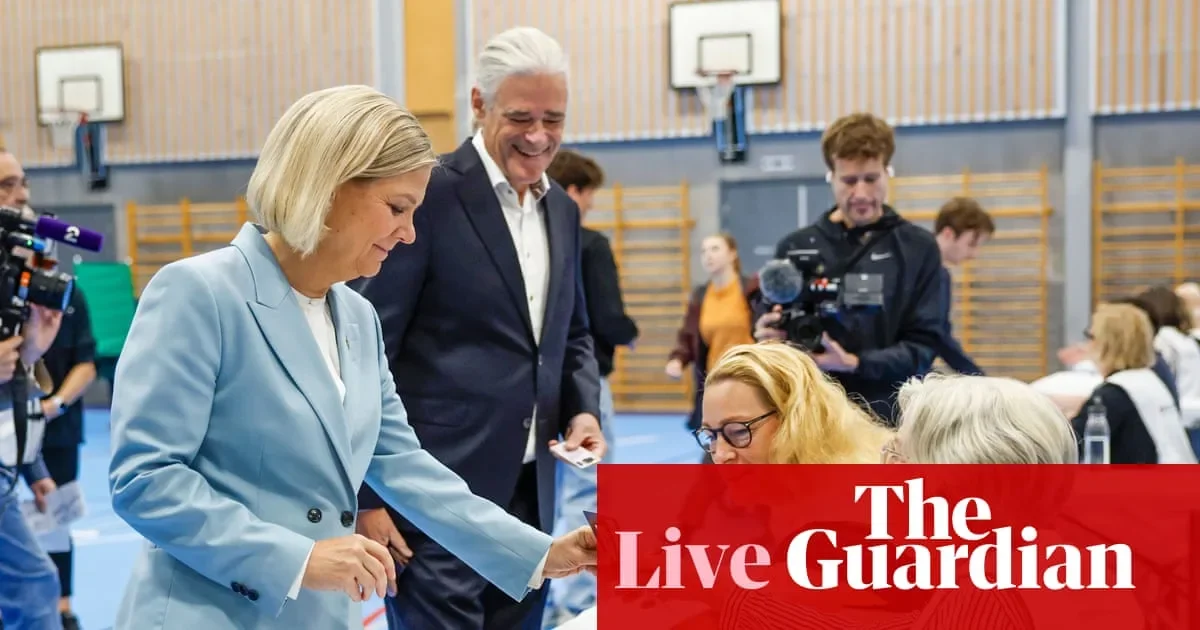
While the local currency market found some solace, the international landscape remains a complex tapestry of shifting alliances and potential disruptions. Sweden is holding its general election today, with a nail-biting contest unfolding. Latest polls indicate an extremely narrow margin between the left and right-wing blocs, and crucially, the far-right Sweden Democrats are positioning themselves for a potential role in the next government. This development echoes similar trends seen elsewhere in Europe, such as the recent gains by the Alternative für Deutschland in Germany.
The implications of a far-right party influencing Swedish policy, a nation historically known for its liberal and progressive stance, are far-reaching. Such shifts can impact international relations, trade agreements, and broader investor sentiment. For Iran, any significant change in European political dynamics, especially among its trading partners, can indirectly affect economic forecasts, sanctions discussions, and the overall appetite for risk in global markets. The outcome in Sweden, therefore, is not merely a domestic affair but a signal of evolving political currents with potential ripple effects across the globe.
---
Gold and Coins Follow Currency Trend
Reflecting the broader market sentiment and the Toman's recovery, prices for gold and traditional coins also saw a downward adjustment today. The Emami coin, a benchmark for the domestic gold market, closed at 236,000,000 Toman, down 1.5% from its previous high. Similarly, 18-karat gold per gram decreased by 1.8%, settling at 23,419,825 Toman. These movements are largely in sync with the Toman's appreciation against the US dollar, as gold prices are typically quoted in USD globally.
When the Toman strengthens, it takes fewer Tomans to purchase the same amount of gold, leading to a decrease in local currency terms. For individuals holding savings in gold and coins, this means a temporary dip in their nominal Toman value. However, the underlying value proposition of gold as a hedge against inflation and geopolitical uncertainty remains. The current global gold price stands at $4,349.70 per ounce, underscoring its continued international significance as a safe-haven asset. The interplay between the Toman's exchange rate and global commodity prices will continue to be a key factor for investors.
---
The Bigger Picture: US Defense Posturing and Trade Corridors
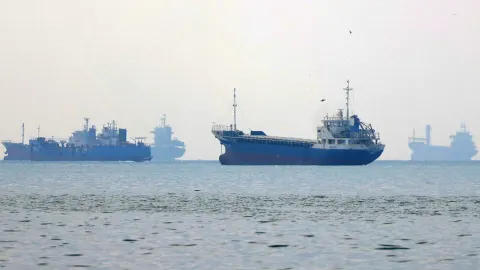
On the geopolitical front, Iran's acting defense minister, Brigadier General Seyyed Majid Ibn al-Reza, dismissed US threats as lacking genuine military capability, characterizing them as political posturing. This assertion comes amidst ongoing regional dialogues, such as the planned meeting in Muscat focused on maritime security in the Strait of Hormuz, as noted by Foreign Minister Abbas Araghchi. These discussions aim to establish new security arrangements, signaling a potential move towards de-escalation and cooperation in vital shipping lanes.
Meanwhile, developments in other regions highlight the complex global trade and infrastructure landscape. The planned Caucasus trade corridor, a project seen as crucial for regional peace, has been delayed until 2027, according to Azerbaijani Foreign Minister Jeyhun Bayramov. Such delays in major infrastructure projects can have knock-on effects on regional trade dynamics and economic development. The stability of trade routes, whether in the Strait of Hormuz or emerging corridors, is intrinsically linked to currency stability and commodity prices, areas of constant concern for the Iranian economy.
---
What to Watch Tomorrow
Looking ahead, the primary focus will remain on the Swedish election results and their immediate aftermath, which could introduce new layers of uncertainty into European markets. Domestically, traders will be closely monitoring any further shifts in the Toman's exchange rate and its impact on gold prices. The ongoing diplomatic efforts concerning the Strait of Hormuz will also be a key indicator of regional stability. Investors should remain vigilant to how these geopolitical narratives translate into tangible market movements for the Toman and other assets.
Frequently Asked Questions
Why did the Iranian Toman strengthen today?
What is the impact of the Swedish election on Iran?
Why did gold and coin prices decrease?
What is the significance of the Strait of Hormuz security talks?
Understanding the Geopolitical Risk Premium in Currency Markets
The geopolitical risk premium is the extra return that investors demand for holding assets exposed to political and strategic uncertainties, such as wars, sanctions, or territorial disputes. In foreign‑exchange markets, this premium shows up as a widening spread between a currency’s spot rate and its expected “risk‑free” value. When tensions flare—think of a potential closure of the Strait of Hormuz or a sudden shift in Swedish domestic politics—traders price in the possibility of supply chain disruptions, capital flight, or abrupt policy changes, pushing the Iranian Toman lower against the U.S. dollar and lifting the price of safe‑haven assets like gold.
For emerging economies like Iran, the risk premium is especially pronounced because the domestic currency already operates under a managed or multiple‑rate system. The official USD‑to‑IRR rate often diverges sharply from the market (or “free”) rate, reflecting both the government’s monetary stance and the added layer of geopolitical uncertainty. When external pressures ease—say, a de‑escalation in the Persian Gulf—the premium can shrink, allowing the Toman to recover modestly, as market participants reassess the likelihood of sanctions being lifted or oil exports resuming unhindered.
Geopolitical events elsewhere also ripple through global markets. A Swedish election, while geographically distant, can affect the euro‑dollar dynamics, European risk appetite, and ultimately the demand for commodities priced in dollars, such as gold. A stable Swedish government may bolster confidence in the eurozone, reducing the overall risk premium across currencies and commodities, which in turn can influence the Iranian market indirectly through capital flows and investor sentiment.
Understanding this premium helps investors separate fundamental valuation (e.g., Iran’s oil production capacity) from risk‑adjusted pricing driven by politics. By monitoring news on the Strait of Hormuz, sanctions regimes, and even European elections, traders can anticipate short‑term currency swings and position themselves accordingly—whether by hedging with gold, using forward contracts, or diversifying into less‑correlated assets.
In practice, analysts often quantify the geopolitical risk premium using models that combine political risk indices, option‑implied volatility, and sovereign spread differentials. While these models are imperfect, they provide a systematic way to gauge how much extra “cost” the market is assigning to uncertainty, offering a clearer lens on why the Toman may bounce or falter in response to shifting geopolitical winds.