Dollar Pierces 270k Barrier as Global Energy Security Fears Overpower Gold’s Safety
دلار از مرز ۲۷۰ هزار تومان گذشت؛ وقتی هراس از امنیت انرژی، درخشش طلا را کور میکند
The Iranian Toman faced renewed pressure today as the US Dollar climbed 1.7% to close at 270,700, while gold prices softened globally. As energy security becomes a primary driver for capital allocation, the Iranian market is feeling the heat of regional volatility and a shifting global investment landscape.
At time of publishing
USD
270,700
Toman
Gold 18K
24.23M
Toman / gram
Bitcoin
$62,920
US Dollar
Tether
272,000
Toman
The Toman’s Climb and Gold’s Retreat
In the final session of the week, Thursday, November 19, 2026, the Iranian market witnessed a sharp divergence between the greenback and the yellow metal. The US Dollar moved from 266,300 to 270,700 Toman, marking a 1.7% increase that caught many retail traders off guard. This surge comes despite the diplomatic theatrics at the Shenzhen Summit, suggesting that local traders are pricing in long-term regional instability rather than short-term peace declarations. While the dollar climbed, Gold 18k/gram slipped from 24,470,197 to 24,227,803 Toman (-1.0%), and the Emami coin followed suit, dropping 0.4% to 250,000,000 Toman.
This decoupling—where the dollar rises while gold falls—often indicates a specific type of local panic. Iranians are seeking the immediate liquidity of the dollar and Tether (USDT), which is currently trading at a premium of 272,000 Toman. The demand for hard currency is being fueled by a realization that regional energy infrastructure remains a target, and the 'safety' of gold is being overshadowed by the urgent need for portable, liquid assets in an increasingly volatile corridor.

Energy Security: The New Global Currency
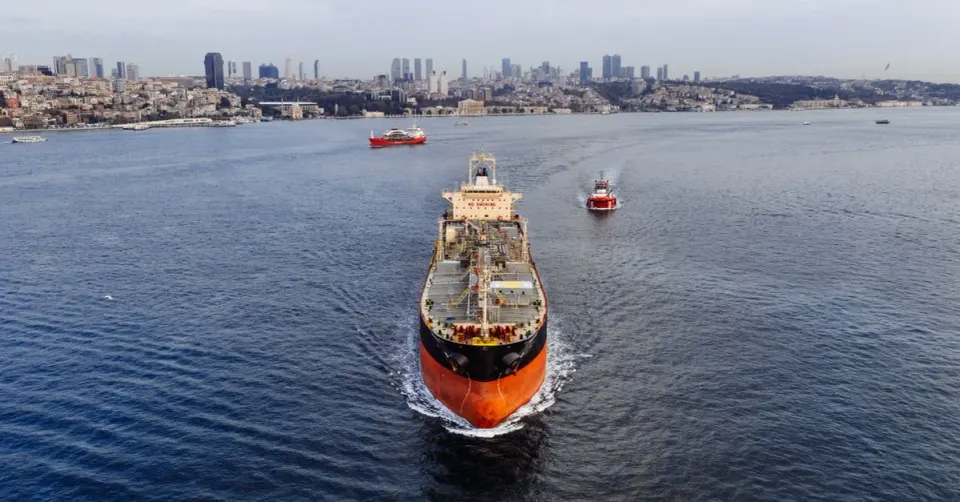
Beyond our borders, the narrative is being rewritten by energy security. As noted in recent reports, energy security has transitioned from a mere policy talking point to a fundamental capital allocation driver. The disruptions in the Strait of Hormuz have forced global banks and investors to rethink where they park their money. This shift is visible in how international firms are partnering to hunt for energy deals across Europe, such as the new alliance between Carlyle and Orlen. For Iran, this means the 'risk premium' attached to the Toman is no longer just about sanctions, but about its position in a global energy map that is actively trying to bypass traditional flashpoints.
Even nations like Venezuela are attempting to pivot, utilizing artificial intelligence to cut methane leaks and increase efficiency in a bid to stay relevant in a market that demands both volume and environmental compliance. While Iranian state media continues to slam the West for 'double standards' at the IAEA, the global market is moving on, focusing on securing supply chains that are resilient to the very geopolitical tensions Tehran finds itself at the center of. This global realignment is putting structural pressure on the Toman that domestic interest rate tweaks cannot easily fix.
AI Mania and the Crypto Sideways Shuffle
The technological frontier is also competing for the world's liquidity. The blockbuster IPO of Anthropic, which hit the NASDAQ at 33% above its initial price, has signaled that AI is no longer a speculative play but a core component of global financial plans, even finding its way into 401(k) retirement accounts. However, this 'AI fever' is a double-edged sword. While companies like Alibaba see thriving cloud businesses, their profits are being swallowed by the massive costs of AI research. This high-stakes gamble is drawing liquidity away from traditional safe havens and even from the crypto market.
Bitcoin remains pinned around the $62,920 mark, struggling to find a clear direction as investors weigh the 'Trump-Xi-Putin' peace declaration against the reality of ongoing conflicts. In Spain, the debate over infrastructure growth following a deadly train crash serves as a reminder that rapid expansion—whether in AI or national infrastructure—requires sustainable maintenance. For the Iranian investor, the takeaway is clear: the world is currently obsessed with productivity (AI) and security (Energy). Until the Toman can find a footing in either of those narratives, it remains a defensive asset at best, and a falling knife at worst.
Practical Takeaway for Tomorrow
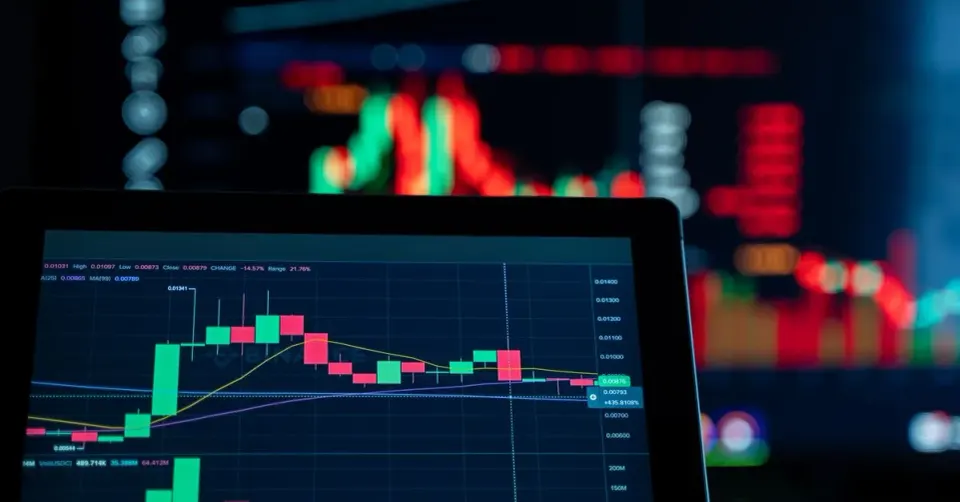
As we head into the weekend, the 270,000 Toman level for the dollar acts as a significant psychological and technical resistance-turned-support. If the global energy narrative continues to favor security-focused investments, expect gold to remain under pressure while the dollar maintains its local dominance. Diversifying into stablecoins like USDT might offer the liquidity needed for rapid moves, but keep a close eye on the 'Shenzhen' fallout—if the peace declaration proves to be hollow, a renewed spike in oil prices could provide a temporary, albeit artificial, cushion for the Toman.
Frequently Asked Questions
Why is the dollar rising while gold is falling in Iran?
How does the Anthropic IPO affect the Iranian market?
What role does 'Energy Security' play in today's price movement?
The Strategic Importance of the Strait of Hormuz and Its Influence on Global Energy Markets
The Strait of Hormuz, a narrow waterway between Oman and Iran, is one of the world’s most critical maritime chokepoints. Roughly 20% of global oil consumption—about 21 million barrels per day—passes through this 21‑kilometre‑wide strait, making it a linchpin for energy security. Because the flow of crude and refined products can be disrupted by geopolitical tensions, even a brief threat to navigation can trigger sharp movements in oil prices and ripple through related commodities such as gold and the U.S. dollar.
Historically, the strait has been a flashpoint during periods of heightened Iran‑U.S. rivalry. In 2019, attacks on tankers and the temporary closure of the waterway caused Brent crude to jump more than $10 per barrel within days. Such episodes illustrate the concept of “supply shock”: a sudden reduction in available oil that forces markets to reprice risk, often leading investors to seek safe‑haven assets like gold or the dollar. The price dynamics observed in November 2026—where the dollar breached the 270 k barrier while gold hovered near 18 k per ounce in Iran—can be partially traced to lingering Hormuz anxieties.
Energy‑security analysts therefore monitor a suite of indicators: naval deployments, Iranian rhetoric, and the operational status of nearby ports. When the risk premium rises, oil‑dependent economies—especially those reliant on imports, such as Iran—face higher inflation and currency pressure, which in turn affect the valuation of local assets like the Iranian rial (IRR) and even stablecoins priced in toman. Understanding the chokepoint’s role helps explain why investors at the 2026 Shenzhen Summit highlighted diversification into renewable projects and strategic petroleum reserves as hedges against Hormuz‑related volatility.
In the longer term, the strait’s significance underscores the broader debate on energy transition. While diversification away from fossil fuels can reduce geopolitical exposure, the sheer volume of oil that still traverses Hormuz means that any meaningful shift will take decades. For market participants, grasping the mechanics of this chokepoint equips them to anticipate price spikes, assess risk‑adjusted returns, and make more informed decisions about portfolio allocation in a world where energy security remains a top‑tier macro factor.
Topics
Related Articles