Toman Gains as Vance Distances from Trump’s Nuclear War Rhetoric; Emami Coins Bleed 4.2%
عقبنشینی دلار در سایه تردید واشینگتن؛ سقوط ۴ درصدی سکه امامی در پایان آبان
The Toman showed unexpected resilience today as USD sell rates dipped to 269,700, fueled by a rare public rift between JD Vance and Donald Trump over Iran's nuclear proximity. While the physical dollar dropped 1.2%, Emami coins suffered a massive 4.2% liquidation as the 'war premium' began to evaporate.
At time of publishing
USD
269,700
Toman
Gold 18K
23.08M
Toman / gram
Bitcoin
$60,195
US Dollar
Tether
271,869
Toman
The Iranian market closed its Saturday session on November 21, 2026, with a surprising shift in momentum. After weeks of tension-driven rallies, the Toman clawed back some territory, with the USD moving from 272,900 to 269,700, a decrease of 1.2%. This movement was mirrored in the gold market, where 18k gold dropped by 1.2% to 23,078,166 Toman per gram. However, the most dramatic movement occurred in the coin market; Emami coins plummeted from 250,000,000 to 239,500,000 Toman, a sharp 4.2% correction. This suggests that speculators who had heavily hedged against an immediate military escalation are now offloading their positions as the geopolitical narrative in Washington shows signs of internal friction.
The Washington Rift and Market Psychology
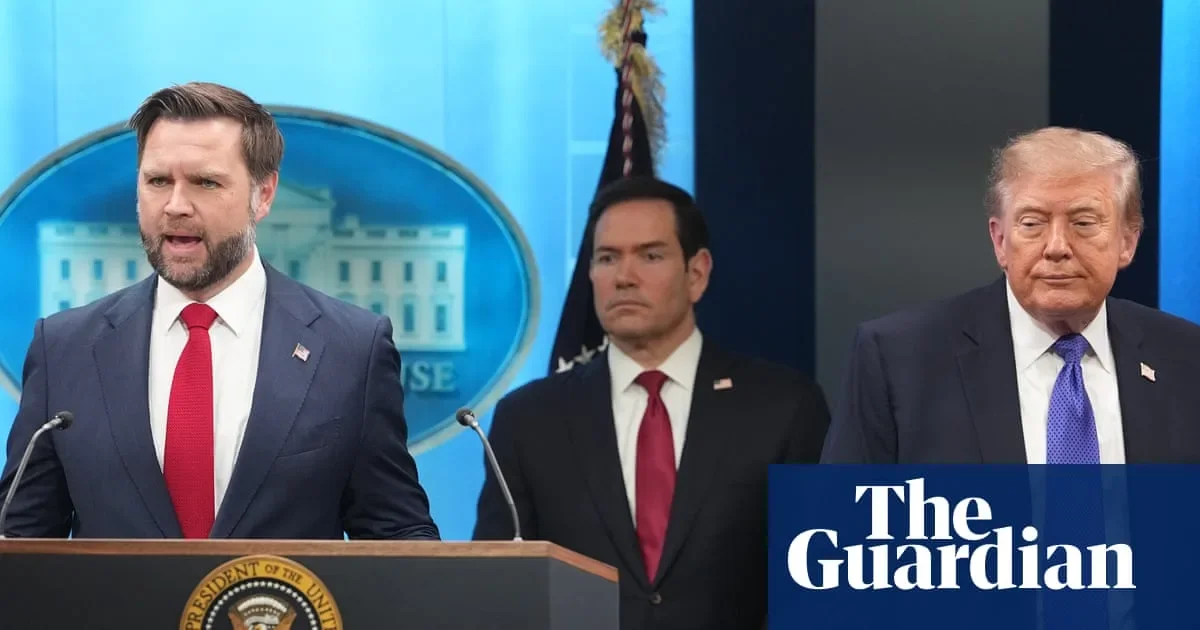
The primary driver for this cooling sentiment appears to be a notable disagreement within the U.S. executive branch. Vice President JD Vance, during a White House news conference, pointedly stopped short of endorsing Donald Trump’s claim that Iran was on the verge of a nuclear breakout in February. By refusing to 'second-guess' the intelligence or provide a rubber stamp for Trump's casus belli, Vance has introduced a layer of uncertainty into the 'imminent war' thesis. For Iranian traders, who watch every syllable from the White House, this suggests that the path to a full-scale conflict may not be as unified or immediate as previously feared. This political daylight between the President and his Vice President acts as a temporary brake on the currency's freefall, allowing the Toman to breathe.

---
The 'Blockade' Rhetoric vs. Physical Reality
While the market found some relief in Washington's mixed signals, Tehran’s official rhetoric remained defiant. Deputy Foreign Minister Kazem Gharibabadi officially labeled the U.S. economic restrictions a 'blockade' and an 'act of war,' vowing that the Islamic Republic would take all necessary measures to break it. This language is significant because it shifts the focus from 'sanctions'—which imply a legal framework—to a 'blockade,' which implies a military-style siege. This escalation in terminology usually precedes more aggressive maneuvers in the banking or shipping sectors. Despite these warnings, the market chose to focus on the immediate lack of a unified U.S. strike narrative rather than the long-term threat of a tightening economic chokehold.
---
The Strait of Hormuz: Between War and Awareness
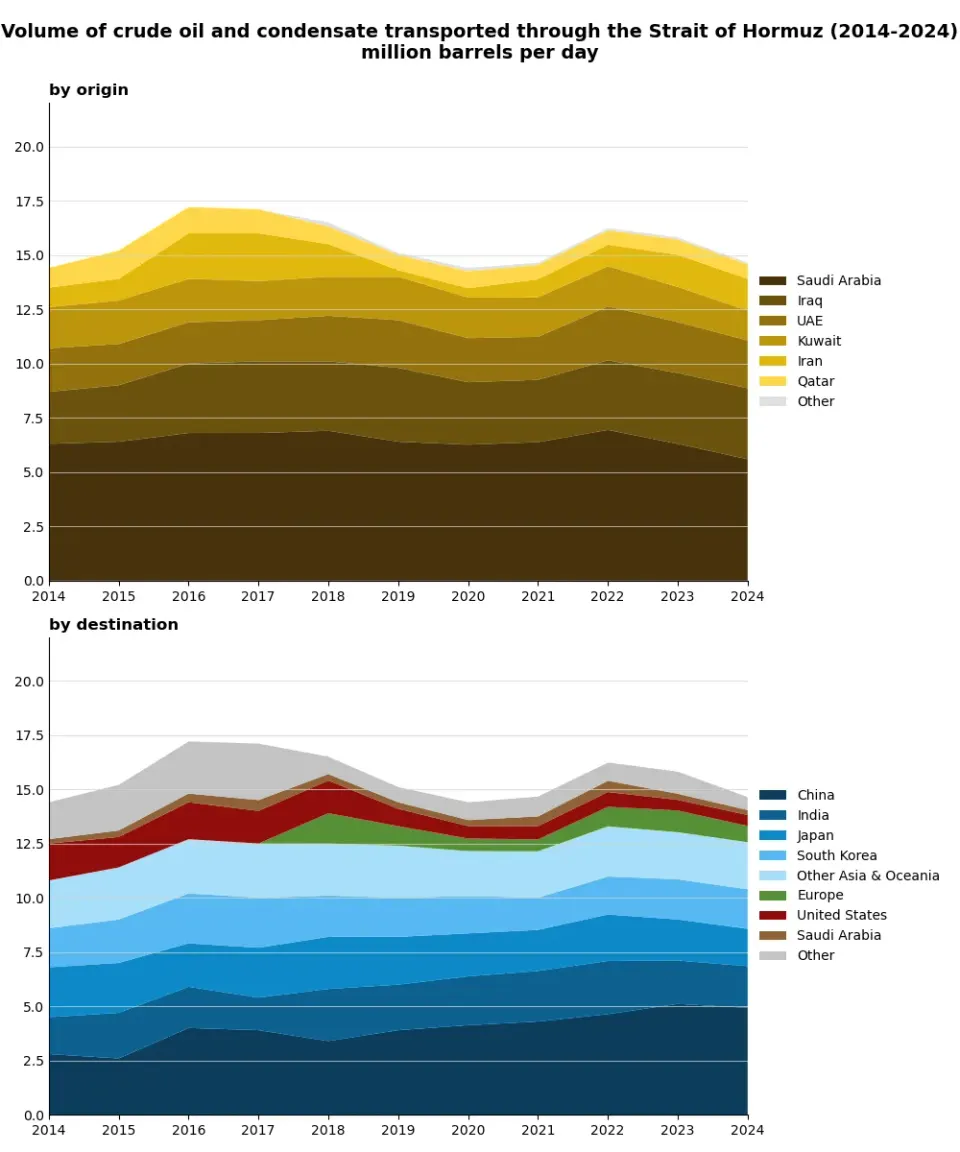
In a surreal contrast to the talk of blockades and nuclear strikes, the Strait of Hormuz became the site of a different kind of intervention today. Endurance athletes and environmental campaigners, including British swimmer Lewis Pugh, took to the dangerous waters of the Strait to highlight the ecological devastation caused by regional conflict. While Iran continues to threaten or harass vessels in these waters, the presence of international activists calling for an end to the 'toxic' war serves as a reminder of the Strait's fragility. For the average Iranian, the Strait is more than a geopolitical chess piece; it is the primary artery for the country’s remaining trade. Any disruption there, whether through military action or the environmental 'slow death' Pugh warns about, would render today’s 1.2% Toman gain irrelevant.
The 'Priority' Trap for Investors
Today’s market behavior offers a lesson similar to the frustrations of modern travel. Much like a passenger who pays for 'priority boarding' only to find the overhead bins full, many Iranian investors have paid a massive premium for gold and USDT in recent weeks, hoping for safety. However, when the market corrects as sharply as the Emami coin did today (-4.2%), those who entered late find that their 'priority' protection was an expensive illusion. The takeaway for tomorrow is clear: the market is currently hyper-sensitive to the tone of the U.S. administration. If the Vance-Trump rift widens, expect further liquidations of the war premium. However, keep a close eye on the 'blockade' responses from Tehran, as any physical attempt to break the financial siege could send the USD back toward the 280,000 mark overnight.
Frequently Asked Questions
چرا قیمت سکه امامی بسیار بیشتر از دلار ریزش کرد؟
آیا اظهارات جیدی ونس به معنای تغییر سیاست آمریکاست؟
منظور از «محاصره اقتصادی» که غریبآبادی به آن اشاره کرد چیست؟
Economic Sanctions and the Depreciation of the Iranian Toman
Economic sanctions are tools used by countries or international bodies to pressure a target nation into changing policies, often by restricting trade, finance, and investment. Since the early 2000s, Iran has faced a layered regime of sanctions aimed at its nuclear program, human‑rights record, and alleged support for terrorism. These measures limit Iran's ability to export oil, access foreign currency, and attract foreign capital, creating a chronic shortage of hard currency such as the US dollar. When a country cannot obtain enough foreign exchange, its own currency—here the Iranian toman (officially the rial, but commonly quoted in toman units)—faces downward pressure as demand outstrips supply.
The mechanics of currency depreciation under sanctions are straightforward: importers need dollars to pay for goods, but the supply of dollars is squeezed by sanctions on banks and oil revenues. To obtain dollars, importers turn to the black‑market or official channels that charge a premium, driving up the exchange rate. Simultaneously, confidence in the domestic currency erodes, prompting households and businesses to convert their tomans into more stable assets, a process known as capital flight. This self‑reinforcing loop can cause rapid devaluation, as seen in the sharp drop of the Emami coin price and the broader 4‑5% monthly swings in the toman‑to‑dollar rate.
Sanctions also affect inflation and real wages. A weaker toman makes imported food, medicine, and industrial inputs more expensive, feeding into higher consumer prices. The Iranian government often responds with price controls or subsidies, but these measures can strain public finances and exacerbate fiscal deficits. Over time, the economy may shift toward a more informal, cash‑based system, reducing tax revenues and limiting the state's capacity to fund public services.
Understanding this dynamic helps explain why political statements—such as JD Vance’s criticism of Trump’s nuclear rhetoric or discussions about a blockade of the Strait of Hormuz—have immediate financial repercussions. Any hint of heightened tension can trigger capital outflows, pushing the toman further down. Conversely, diplomatic breakthroughs that ease sanctions can lead to a rapid appreciation of the currency, as foreign investors regain confidence.
For anyone tracking Iran’s economy, watching the official and market exchange rates, the volume of dollar inflows, and the political climate around sanctions provides a clearer picture than isolated price movements of individual assets like the Emami coin. The interplay of geopolitics, sanctions policy, and currency markets is a core driver of Iran’s economic outlook.
Topics
Related Articles