From Geneva Rhetoric to Hormuz Tankers: Why the Toman is Crossing 180,000
از لفاظیهای ژنو تا تانکرهای هرمز: چرا دلار از مرز ۱۸۰ هزار تومان عبور کرد؟
As the USD hits 180,600 Toman, we analyze how the 'Solidarity' rhetoric in Geneva contrasts with supertankers exiting the Gulf and rumors of a Trump-Vance deal. Understand the 'Risk Premium' driving Iranian markets today.
At time of publishing
USD
180,600
Toman
Gold 18K
19.58M
Toman / gram
Bitcoin
$77,343
US Dollar
Tether
17,850.2
Toman
The Geneva Paradox: Rhetoric vs. Reality
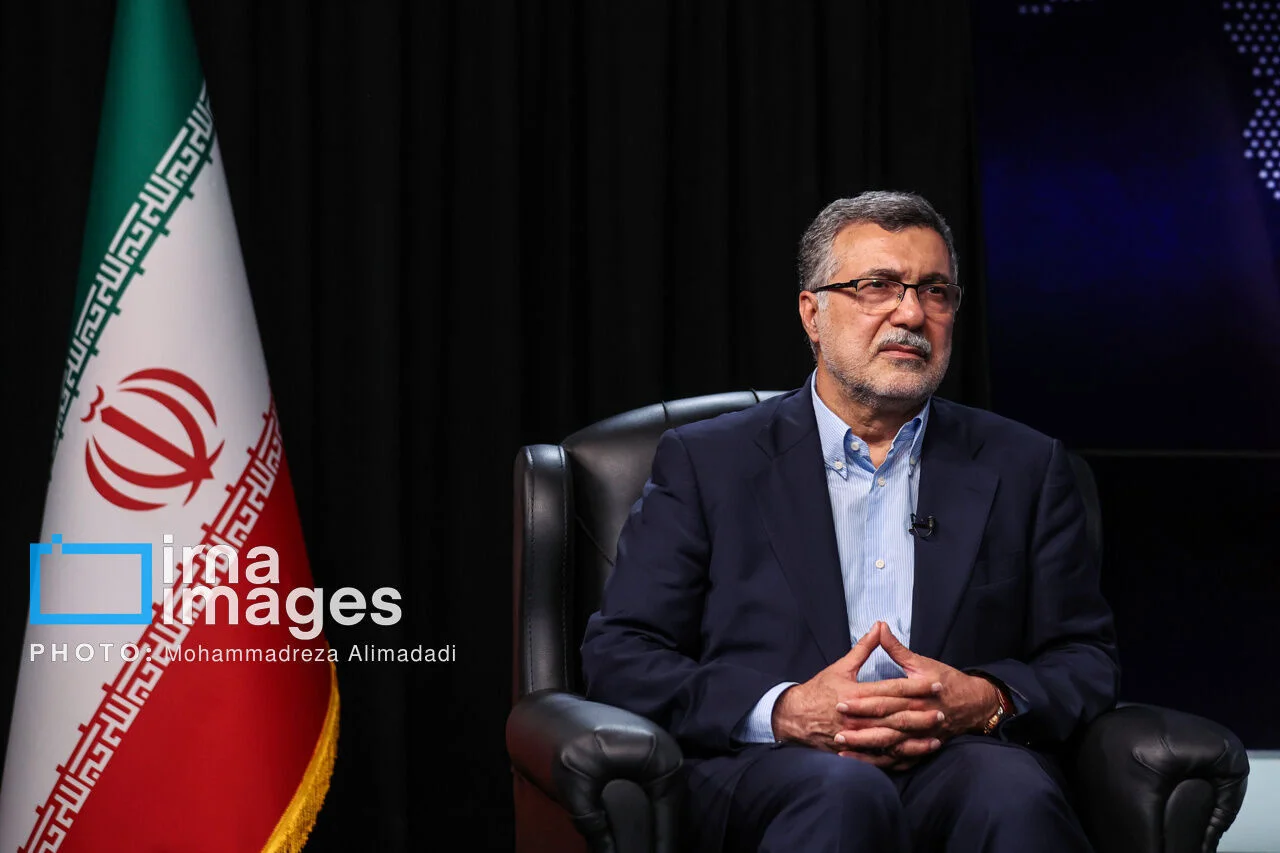
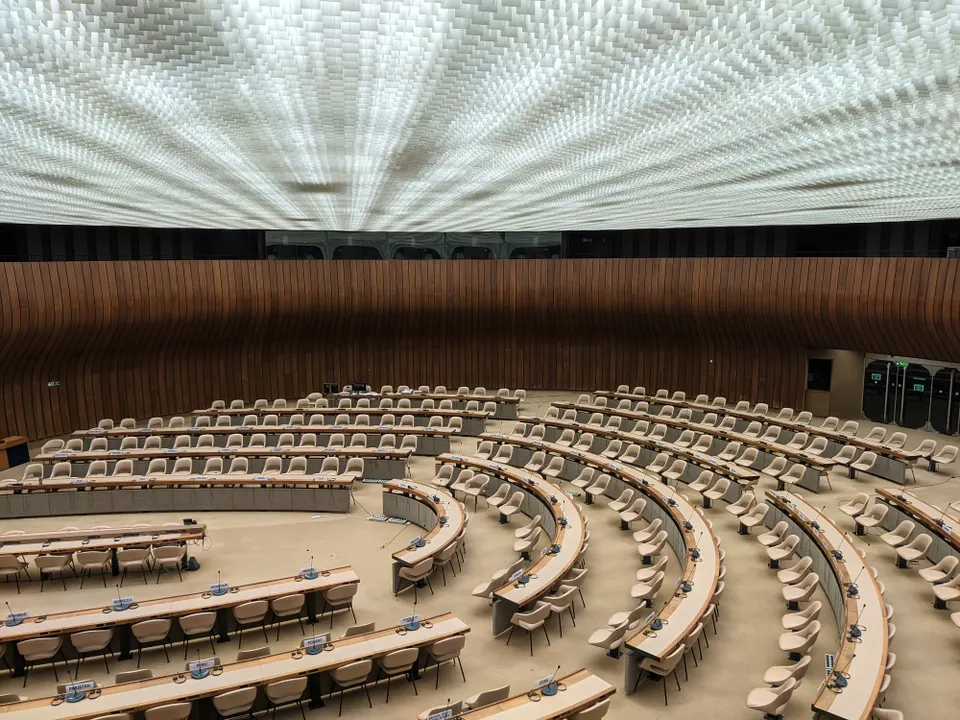
Today’s market opened with a sharp move, as the US Dollar rose from 178,900 to 180,600 Toman, marking a 1.0% increase in just 24 hours. While many traders look at the charts, the real story is unfolding in the halls of Geneva. Iranian Health Minister Mohammadreza Zafarghandi recently called for regional solidarity against what he termed "enemy aggression" during talks with Omani and Lebanese counterparts. For a financial observer, this isn't just a health update; it’s a sentiment indicator. In the world of Iranian finance, whenever the word "aggression" or "solidarity" trends in diplomatic circles, the market immediately bakes in a "Risk Premium."
A risk premium is the extra cost investors pay because they are uncertain about the future. When the government uses strong language in Geneva, it signals that geopolitical tensions remain high, even if the primary topic is healthcare. This uncertainty drives locals to move their liquid Toman into safer havens like Gold or USD. Today, we saw this reflected in Gold 18k, which climbed 0.5% to reach 19,578,004 Toman per gram, and the Emami Coin, which jumped 1.0% to 193,000,000 Toman. The market isn't reacting to the health talks themselves, but to the underlying tone of confrontation that persists in Iranian diplomacy.
The Hormuz Bottleneck and the 'Trump Deal' Rumors
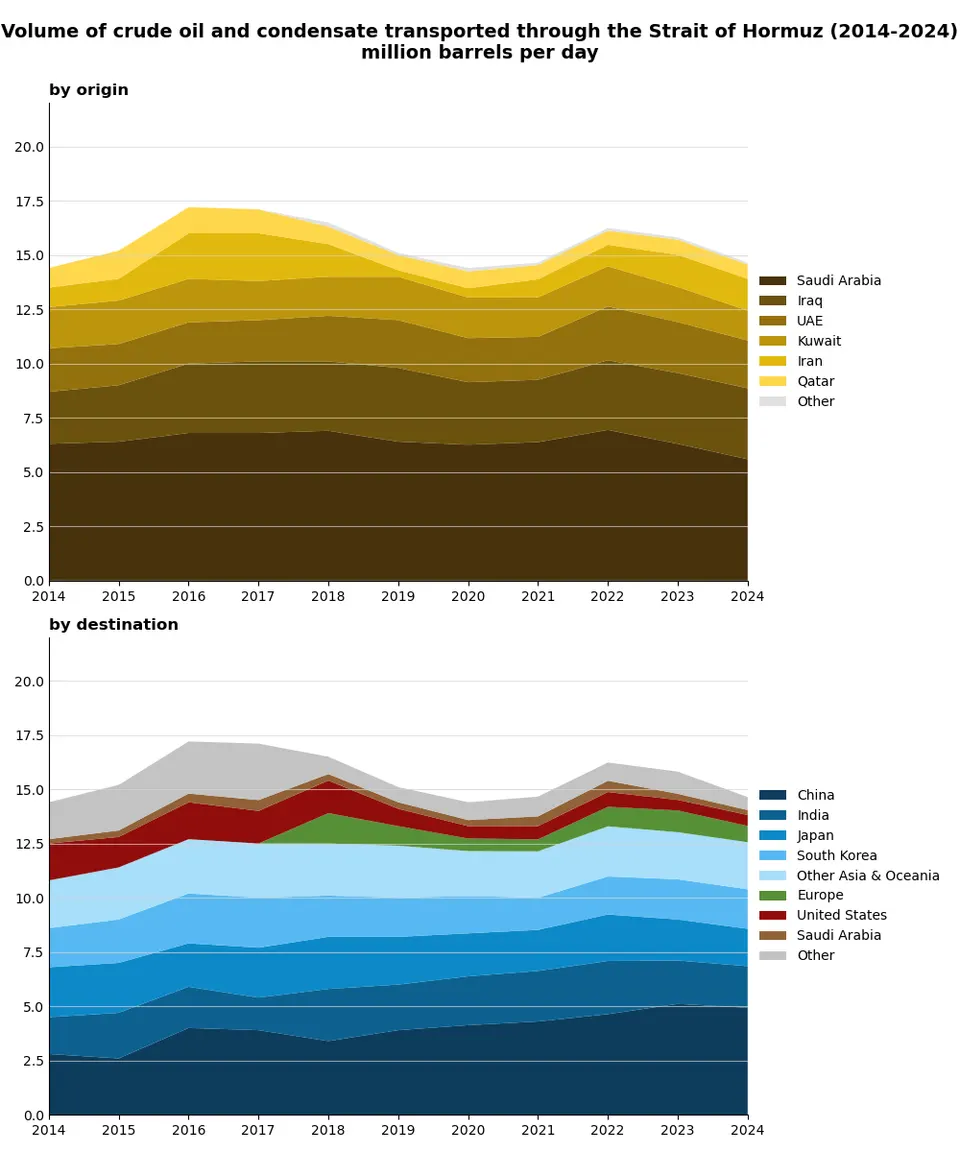
While the rhetoric in Geneva is defensive, the physical movement of energy tells a more complex story. Today, two supertankers loaded with crude oil successfully exited the Strait of Hormuz, bound for China. This movement, reported by LSEG and Kpler data, suggests that despite the high-stakes political theater, the economic arteries of the region remain open. However, the market remains on edge because of conflicting signals from Washington. Reports from Al Jazeera suggest that while tankers are moving, the White House—specifically the Trump-Vance administration—is actively "talking up" a potential new deal with Iran.
This creates a classic "volatility trap" for Iranian investors. On one hand, the physical exit of tankers should theoretically stabilize the currency by ensuring oil revenue. On the other hand, the mere mention of a "Trump deal" causes massive swings in expectations. If a deal is perceived as possible, the Dollar might drop; if it’s perceived as a trap or an ultimatum, the Dollar spikes. Today’s 1.0% rise in the USD/IRR rate suggests that the market currently views the situation with more skepticism than hope. Traders are choosing to buy the rumor of tension rather than sell the news of a potential deal.
The Global Macro: EU-US Trade and the Digital Hedge
Beyond our borders, a massive shift in global trade is occurring that indirectly pressures the Toman. The European Union has finally agreed to implement a trade deal with the US, originally struck at a Scottish golf course. This deal removes import duties on most US goods entering the EU, effectively strengthening the transatlantic economic bloc. For Iranians, a stronger US-EU economic alliance often means more unified enforcement of sanctions and a stronger global US Dollar. When the Dollar gains strength globally against the Euro (currently at 209,400 Toman), it puts upward pressure on the USD/IRR pair regardless of local news.
In response to this traditional volatility, we are seeing a fascinating shift toward digital assets as a non-sovereign hedge. While the Toman fluctuates, Bitcoin is holding steady at $77,343. Interestingly, global trends are moving toward protecting this digital space; for instance, South Carolina just signed a pro-crypto law banning state-issued CBDCs. For the Iranian investor, these global developments offer a lesson: while local prices are moved by Hormuz and Geneva, the ultimate protection against inflation might lie in assets that don't rely on the diplomatic tone of the day. As the USD/IRR rate continues its climb, the diversification into stablecoins like USDT (currently 17,850 Toman) remains the primary strategy for preserving purchasing power.
Frequently Asked Questions
Why does the Health Minister's speech in Geneva affect the price of the Dollar?
How do oil tankers exiting the Strait of Hormuz impact the local currency?
What is the connection between the EU-US trade deal and the Iranian Toman?
Is Bitcoin a reliable hedge against the current Toman volatility?
Understanding the 'Risk Premium' in Iran's Economy
When headlines speak of the Iranian Toman's depreciation or the rising price of gold and coins within Iran, an underlying economic concept often at play is the 'Risk Premium.' Simply put, a risk premium is the extra return or compensation that investors demand for taking on an investment that carries a higher level of risk compared to a risk-free asset. In a stable economy, this premium might be small, but in environments marked by uncertainty, it can become a significant factor influencing asset prices and currency valuations.
In the context of Iran, various factors contribute to a substantial risk premium. Geopolitical tensions, such as those implied by "Hormuz Tankers" or "Geneva Rhetoric," create uncertainty about regional stability and international trade routes. The potential for shifts in international policy, like "Trump Vance Iran deal rumors," introduces significant political risk, making future economic conditions unpredictable. These external pressures, combined with internal economic challenges, lead investors – both foreign and domestic – to perceive higher risks when holding Iranian assets or the Toman itself.
This heightened perception of risk directly impacts the Toman's exchange rate. When the risk premium is high, investors demand more compensation for holding the Toman. This translates into a weaker currency, meaning it takes more Tomans to buy one U.S. dollar. For ordinary citizens, this often manifests as a flight to more stable assets like gold or foreign currency, driving up their prices locally. The rising demand for "Gold price Iran 18k" and "Emami coin price today" are direct consequences of individuals seeking to hedge against the Toman's depreciation and preserve their wealth in the face of perceived economic instability and a high country-specific risk premium.
Therefore, the Toman crossing thresholds like 180,000 against the U.S. dollar isn't just a number; it's a reflection of the market's collective assessment of the risk associated with Iran. Each political rumor, each geopolitical maneuver, and each economic sanction or its potential lifting, feeds into this risk calculation, adjusting the premium investors demand and, consequently, the value of the national currency. Understanding the risk premium provides a crucial lens through which to interpret the volatile dynamics of Iran's financial markets.